13 min read
Quick answerWeak or warm airflow, longer cooling times, ice or oily residue on pipework, and a straining compressor are the classic signs an aircon is low on refrigerant. A qualified technician should leak-test before regassing.
air conditioning for cars in Johannesburg works best when the gas levels are right. Visit airconditioning-johannesburg.co.za for clear, local guidance on keeping your system efficient.
Have you noticed weaker blasts of cool air on a hot day, or that the cabin takes longer to chill?
Those hints often point to falling gas levels or a small leak in the car cooling circuit. A simple diagnosis helps you decide whether to seek professional attention or request quotes from independent contractors.
We explain how an aircon regas differs from routine service and what a healthy air conditioner should deliver. Our aim is to give calm, practical advice so you can spot issues early and avoid costly repairs.
Use this guide - part of our wider set of aircon maintenance guides - to learn how the conditioning system works, what to watch for, and when to check gas levels. That knowledge keeps your vehicle comfortable all year in South Africa’s summer heat.
Quick Facts & Key Takeaways
- Weak cooling has other causes too - a blocked cabin filter, worn clutch or dirty condenser can mimic low gas, so a regas only helps if refrigerant is genuinely low.
- A regas without fixing the underlying leak is a false economy - the gas escapes again within weeks, so pay for the leak repair, not just a top-up.
- A musty smell is usually mould on the filter or evaporator, not low gas - cleaning and a new filter clears it.
- Avoid DIY recharge kits - the wrong gas or overfilling can damage seals and the compressor, and refrigerant can cause freeze burns.
- Have an SAQCC Gas-registered technician regas roughly every two years and compare quotes on our platform.
Table of contents
Table of contents13 min read
How your car’s aircon actually works
A car’s cooling loop keeps cabin temperatures steady by moving refrigerant through a closed, pressurised circuit. This sealed system absorbs heat from the cabin and releases it outside.
The refrigeration cycle relies on three main components: a compressor that pressurises the fluid, a condenser that sheds heat, and a fan that drives air across the condenser to aid cooling.
In peak summer, the car air conditioner works harder and parts wear faster. A fall in performance often points to a leak or loss of pressure in the conditioning system.
The system also removes moisture from the car air, helping to demist windows on humid mornings. Regular checks help the compressor and fan run as designed and preserve consistent airflow.
- Sealed, pressurised loop circulates refrigerant
- Compressor, condenser and fan form the cooling core
- Closed system means losses usually indicate a leak
| Component | Role | When to check |
|---|---|---|
| Compressor | Pressurises refrigerant to move heat | Reduced cooling or odd noises |
| Condenser | Releases heat to outside air | Blocked fins or poor airflow |
| Fan | Moves air across condenser and vents | Weak airflow or overheating |
Common Signs Your Aircon Needs A Regas
If the vents push cool rather than cold air, the system may be low on gas or losing pressure. This is the most obvious clue that a professional aircon regas could restore proper cold air output.
Reduced cooling efficiency
When the car air conditioning struggles to reach normal temperatures, the refrigerant level is often low. Reduced output can follow gradual leaks or long gaps between services.
Tip: Most manufacturers advise regular maintenance every two years to keep systems efficient and prevent bigger faults.
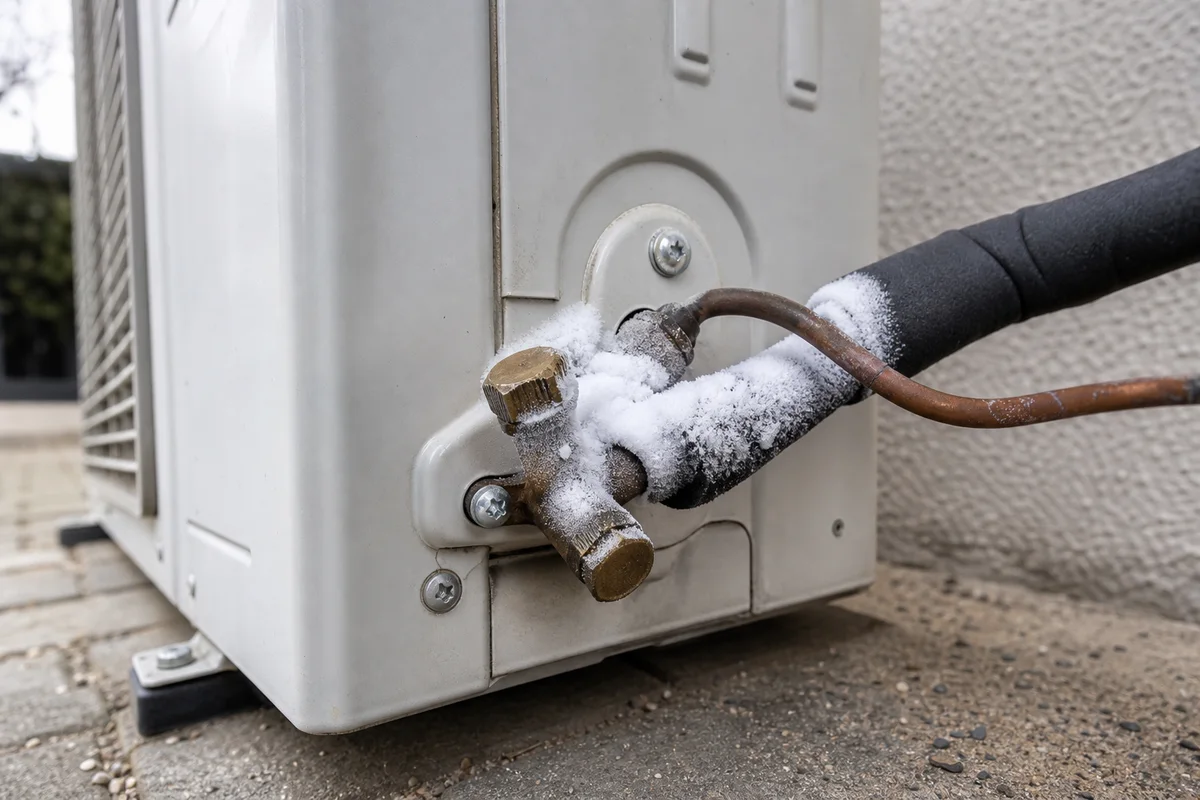
Unusual noises from the compressor
Rapid clicking from the compressor clutch or odd clunks indicate pressure problems. These sounds show the compressor works harder as gas levels fall.
Persistent musty odours
Musty smells usually come from mould on the cabin filter or evaporator core. A cleaning service and filter replacement often clear the smell and improve airflow.
“If you can’t recall the last time the system was serviced, book an inspection - early checks prevent costly repairs.”
- Weak airflow from vents may point to leaks or a clogged filter.
- Compressor performance is closely linked to gas levels and system pressure.
- Ignoring these issues can lead to more complex problems and higher cost.
| Symptom | Likely cause | Recommended action |
|---|---|---|
| Cool, not cold air | Low refrigerant or pressure loss | Check gas level; consider professional regassing |
| Clicking or loud compressor noise | Compressor strain from low gas | Inspect clutch and system pressure; repair leaks |
| Musty cabin smell | Mould on filter or evaporator | Replace filter; clean evaporator and vents |
Why Refrigerant Leaks Are The Primary Concern
Leaks undermine the sealed pressure the air conditioning system needs to shift heat. Low refrigerant prevents the compressor from keeping steady pressure, which weakens cooling and shortens component life.
Identifying visible signs of fluid loss
How to spot a refrigerant leak
Look for a glossy film or oily sheen on hoses, fittings and condenser joints. These marks are a common indicator that refrigerant - mixed with lubricating oil - has escaped the circuit.
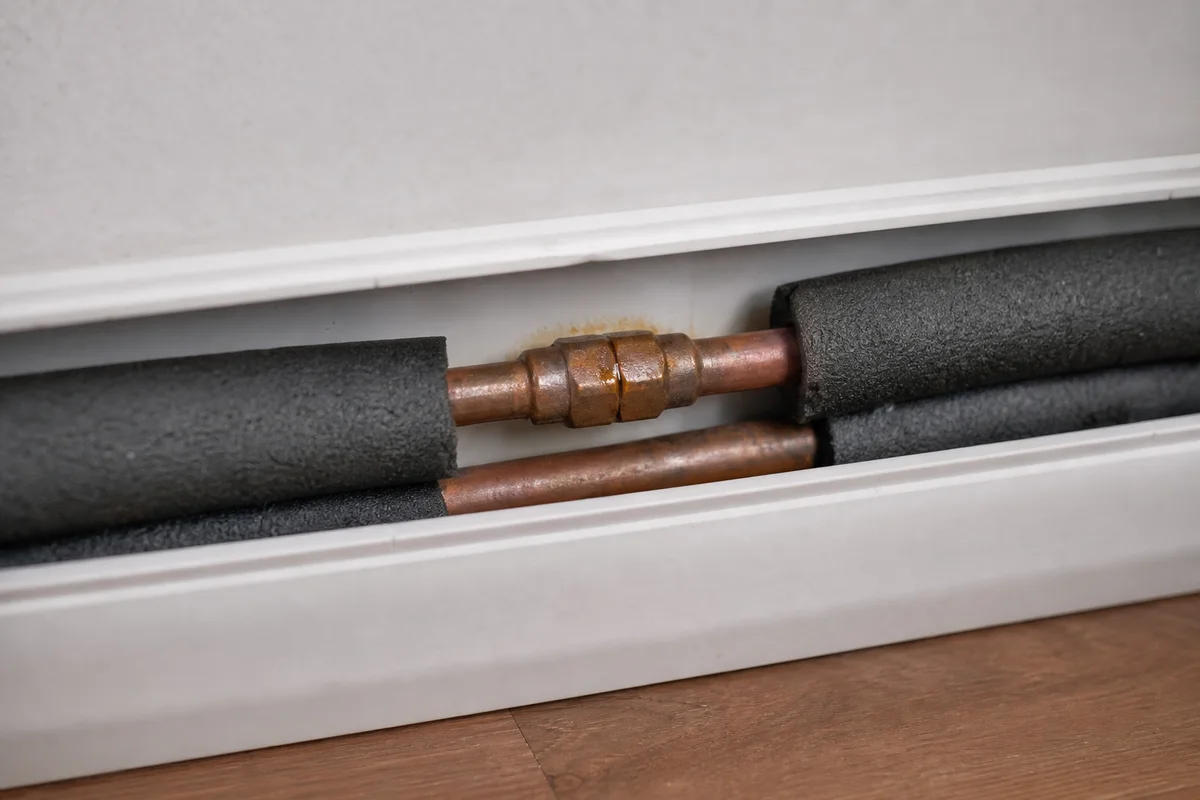
Rapid compressor cycling or an odd noise during operation often follows a fall in level. When pressure drops, the compressor works harder and wears faster.
- Visual check: shiny trails, damp seals or oil drops near O-rings.
- Professional test: a vacuum test reliably reveals tiny cracks or leaks in systems.
- Why fix now: leaks reduce airflow and can lead to costly compressor repair if left over time.
| Observation | Likely cause | Action |
|---|---|---|
| Glossy film on hose | Fluid loss at a fitting or seal | Inspect seals; replace damaged O-rings |
| Compressor cycles rapidly | Low refrigerant level | Pressure test; locate and repair leak |
| Poor airflow / reduced cooling | System cannot remove heat | Leak repair and top-up to correct level |
Why a DIY recharge can backfire
Attempting a DIY recharge can quickly become hazardous without proper tools and training. Handling refrigerant exposes you to cold burns and eye injury if gas contacts skin or mucous membranes.
Using the wrong refrigerant type or filler can harm the car air conditioning system. That mistake may damage seals, the compressor and other systems and lead to expensive repairs.
Hidden leaks are often the real issue. A simple top-up at home can conceal faults that need professional diagnostics and repair.
- Incorrect gas types can be flammable or incompatible with the vehicle system.
- DIY kits rarely include pressure testing to find small leaks or assess compressor health.
- Technicians use calibrated tools to regas safely and avoid premature fan or compressor failure.
Safety first: refrigerant can cause painful freeze burns and should only be handled with correct PPE and equipment. For reliable cooling and fewer long-term problems, arrange professional regassing and repairs for your vehicle.
| Risk | What can happen | Recommended action |
|---|---|---|
| Wrong refrigerant | Seal damage; poor cooling performance | Use qualified technician to select correct gas |
| Undetected leaks | Temporary fix, repeated top-ups needed | Pressure test and locate leak before regassing |
| Personal injury | Freeze burns, eye damage from gas contact | Avoid DIY; let trained staff handle refrigerant |
| Component failure | Compressor or fan damage from incorrect pressure | Full diagnostic and controlled regassing by professionals |
Regional Availability Across Johannesburg
Our platform connects you with independent contractors across Johannesburg so you can get a prompt inspection of your car cooling circuit.
Coverage in Sandton and Randburg
Coverage In Sandton And Randburg
We list trusted professionals who work in Sandton and Randburg, including specialists able to test pressure and advise on air conditioning top-ups. Booking local help reduces travel time and keeps enquiries simple.
Service access in Midrand and the CBD
Service Access In Midrand And The CBD
Whether you are in Midrand, the CBD or JHB South, the platform helps you find an expert to assess cooling performance and recommend next steps. Contractors also serve Roodepoort and Fourways.
- Local reach: Sandton, Randburg, Roodepoort, Fourways, Midrand, CBD, JHB South.
- Compare options: find an air conditioner specialist near you and request quotes.
- Qualified teams: independent contractors handle diagnostics, parts and repairs for vehicle systems.
| Area | Typical coverage | How we help |
|---|---|---|
| Sandton / Randburg | Rapid access | List local contractors for quick bookings |
| Midrand / CBD | Daytime and after-hours | Compare quotes and availability |
| Roodepoort / Fourways | Suburban reach | Find experts for on-site checks |
What a regas costs
air conditioning costs depend on the unit, access and the scope of work that a technician must perform.
Vehicle brand and model shape parts prices and labour time. If the compressor or fan is hard to reach, expect higher labour charges.
Room size and BTU rating matter for fixed installations; for a car system the cabin volume and condenser access influence the estimate. Small leaks often need only a top-up, but large leaks require repair and replacement parts.
- Assessment: a professional diagnosis distinguishes a simple regas from repairs that need parts or regassing under vacuum.
- Urgency & labour: after-hours work or rapid call-outs raise the final price.
- Parts & brand: branded compressors, hoses or seals cost more than generic replacements.
| Factor | Impact | What to check |
|---|---|---|
| Access | Increases labour | Easy access lowers time |
| Fault type | Top-up vs repair | Inspection shows if leaks exist |
| Parts | Material cost | Brand and warranty matter |
Use our platform to request transparent quotes and compare options before you commit to regas or more extensive repairs.
Keeping the aircon healthy year-round
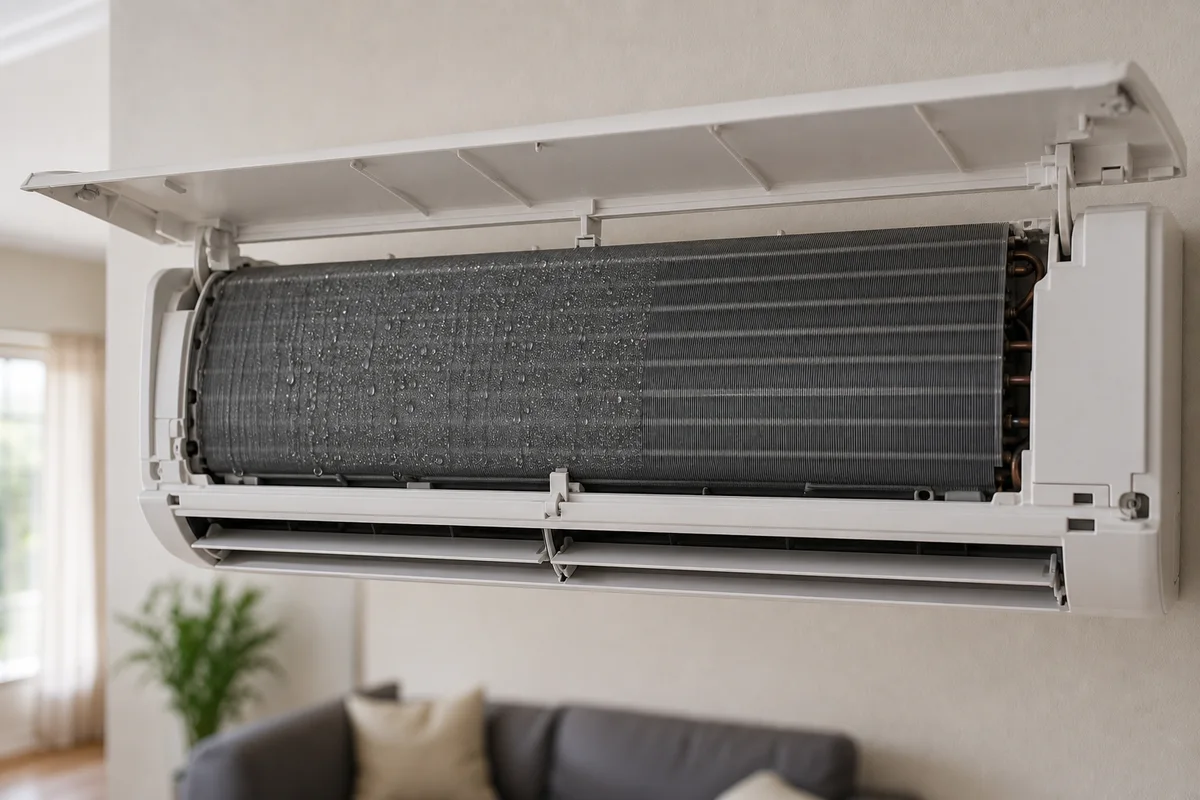
Running the car air conditioning now and then keeps seals lubricated and helps prevent compressor seizure.
Use the unit through cooler months for short periods. This practice preserves seals and reduces the risk of leaks. It also keeps fans and vents moving freely.
Check and change the cabin filter at regular intervals. A clean filter improves airflow, cuts musty smell and helps the conditioning system deliver cold air when you need it.
If you notice the car air is not cold, treat this as a clear sign to book a service. Early attention to noisy fans, small leaks or odd smells saves parts and stops minor problems from becoming costly repairs.
- Run the system monthly to protect seals and compressor.
- Replace the filter to maintain clean airflow and cabin comfort.
- Arrange regassing by an SAQCC Gas-registered technician every two years to restore refrigerant level and peak performance.
“Small, regular checks keep your vehicle cool and safe all year.”
We list local contractors in Johannesburg so you can compare quotes and keep the air conditioning system in top form.
Request a regas quote
Our quote process connects you to independent contractors across Johannesburg. Visit our Johannesburg aircon platform to explore options and request up to three quotes, or up to five where available.
Use the platform to compare service details, estimated labour, parts and likely repairs. Choose an expert who can assess compressor health, refrigerant levels and overall system performance.
We do not carry out work ourselves. The platform helps you make an informed choice on maintenance, aircon regas or other cooling service. Please note we offer no guarantees on price or timing - contractors set those terms.
Tip: check written quotes for scope, parts, warranty and any cabin access issues before you book.
FAQ
How do I know if my car air conditioning system in Johannesburg needs a regas?
If the cabin no longer reaches a comfortable temperature, airflow from the vents feels weaker, or the system takes much longer to cool on hot days, those are clear signs. Also watch for increased compressor noise or a persistent musty smell - these suggest low refrigerant or a leak and mean you should book a professional inspection.
What exactly does refrigerant do in my vehicle’s air conditioner?
Refrigerant circulates through the compressor, condenser and evaporator to remove heat from the cabin. It’s essential for cooling; if levels fall or the circuit has leaks, the system can’t transfer heat effectively and performance drops, which raises fuel use and stresses components.
Can reduced cooling efficiency be caused by something other than low gas?
Yes. Blocked cabin filters, worn compressor clutch, blocked condenser fins, or electrical faults can also cause poor cooling. A regas will only help if low refrigerant is the issue. A competent technician will check filters, airflow, compressor operation and leak detection before recommending a recharge.
Are unusual noises from the compressor a sure sign the system needs regassing?
Not always. Grinding, rattling or loud cycling can indicate mechanical wear, low oil due to a leak, or failing compressor bearings. Low refrigerant can change noise patterns, but any unusual sound warrants an inspection to pinpoint whether regassing, repairs or replacement are required.
What does a persistent musty odour mean and is it related to refrigerant?
A musty or mouldy smell usually comes from bacteria and debris on the evaporator coil or a blocked cabin filter. It’s not a direct sign of lost refrigerant, but poor airflow from low gas can make odours more noticeable. Cleaning the evaporator and replacing the cabin filter often removes the smell.
How can I tell if there is a visible fluid leak in the system?
Visible leaks may appear as oily stains under the vehicle or near the condenser and compressor. Refrigerant itself is invisible, but oil carried with it shows up. Technicians use UV dye or electronic leak detectors to locate leaks precisely before topping up gas.
Is it safe to recharge the aircon at home with a DIY kit?
We don’t recommend it. DIY kits risk overfilling, using the wrong refrigerant, or missing an underlying leak - all of which can damage the compressor and void warranties. Qualified technicians will test for leaks, recover and recycle any remaining refrigerant, and refill to the correct specification.
Which areas of Johannesburg have reliable regas and aircon repair services?
Independent contractors listed on our platform cover wide areas across Johannesburg, including Sandton, Randburg, Midrand and the CBD. Availability varies by neighbourhood, so request up to three quotes (or up to five where available) to compare local options, timelines and warranties.
Do service costs differ across regions like Sandton, Randburg and Midrand?
Yes. Factors include local labour rates, parts availability, travel distance, and demand in business hubs such as Sandton or the CBD. The complexity of the job - leak detection, parts replacement, and system evacuation - also affects price. Use the written quotes on our platform to compare inclusions for parts, labour and gas.
What influences the total cost of a regas or aircon repair?
Key factors are unit type (single-zone vs multi-zone), room or cabin size and cooling load, accessibility of components, whether leaks require part replacement, the refrigerant type, and labour. Energy efficiency and age of the compressor can affect whether a simple regas is sufficient or a larger repair is more economical.
How often should I have the system serviced to maintain performance?
Annual service is a good rule of thumb for most vehicles and split systems. Regular checks include refrigerant level, compressor health, condenser cleanliness, seal condition and cabin filter replacement. In dusty or high-use conditions you may need checks every six months.
What should I check in written quotes before accepting a service through your platform?
Confirm the scope: leak detection method, refrigerant type and quantity, whether recovery and evacuation are included, parts and labour warranty, diagnostics fees, and any follow-up guarantees. Also check contractor credentials, estimated timeline and whether access or extra work (like condenser cleaning) is listed as an additional cost.
If a technician finds a leak, will they still do a regas?
Responsible technicians will normally repair leaks before recharging. Replacing seals, hoses or components and pressure-testing the system prevents wasteful refills. In some cases a temporary top‑up is offered to restore cooling until a repair can be scheduled, but a full fix is the long-term solution.
Can the wrong refrigerant damage my aircon system?
Yes. Using the incorrect refrigerant can alter pressure, reduce lubrication and harm seals or the compressor. Always use the manufacturer‑specified refrigerant. Technicians should identify the correct gas and provide a record on the written quote and invoice.
Will a regas improve energy use and fuel efficiency?
If low refrigerant is the cause of poor cooling, a correct regas can restore efficient operation and reduce the engine or electricity load. However, it won’t fix inefficiencies from a failing compressor, blocked condenser, or poor insulation. A full diagnostic will identify whether regassing will meaningfully improve efficiency.
Ready to request quotes?
Submit a request and independent local air conditioning installers in Gauteng may respond with their availability and pricing. No obligation to accept any quote.
Request Free Quotes