11 min read
Quick answerR22 is an older, ozone-harming gas being phased out; R410A is ozone-safe but higher-pressure with a high GWP; R32 is the newer, lower-GWP, more efficient option. You cannot simply swap one gas for another.
The refrigerant inside your air conditioner - R22, R410A or R32 - affects your running costs, safety and environmental impact more than most owners realise. For property owners in Johannesburg, that choice matters. Willis Carrier invented modern air conditioning in 1902, and today the choice of refrigerant shapes how well a unit cools homes across Sandton, the CBD and surrounding suburbs.
At airconditioning-johannesburg.co.za we give clear, practical information to help you identify the gas in your system and weigh repair versus replacement. Knowing the refrigerant in your unit can lower long‑term maintenance costs and reduce the chance of a costly leak.
We explain how different cooling products affect energy use and GWP, and what to check before you contact a service. This guide sits among our broader aircon know-how guides and is a starting point for Randburg, Roodepoort, Fourways and Midrand residents who want to keep indoor air comfortable without surprise bills.
Quick Facts & Key Takeaways
- R32 is mildly flammable (A2L class), so it needs a technician trained in its safe handling and charging.
- Sourcing R22 for a regas is increasingly scarce and costly, which can make repairs on older units impractical - watch for the signs your aircon needs a regas.
- After roughly 15 years a unit often needs more frequent top-ups, tipping the balance toward replacement with a low-GWP model.
- A charge that keeps dropping usually signals a leak, not normal loss - a certified tech should trace it before topping up.
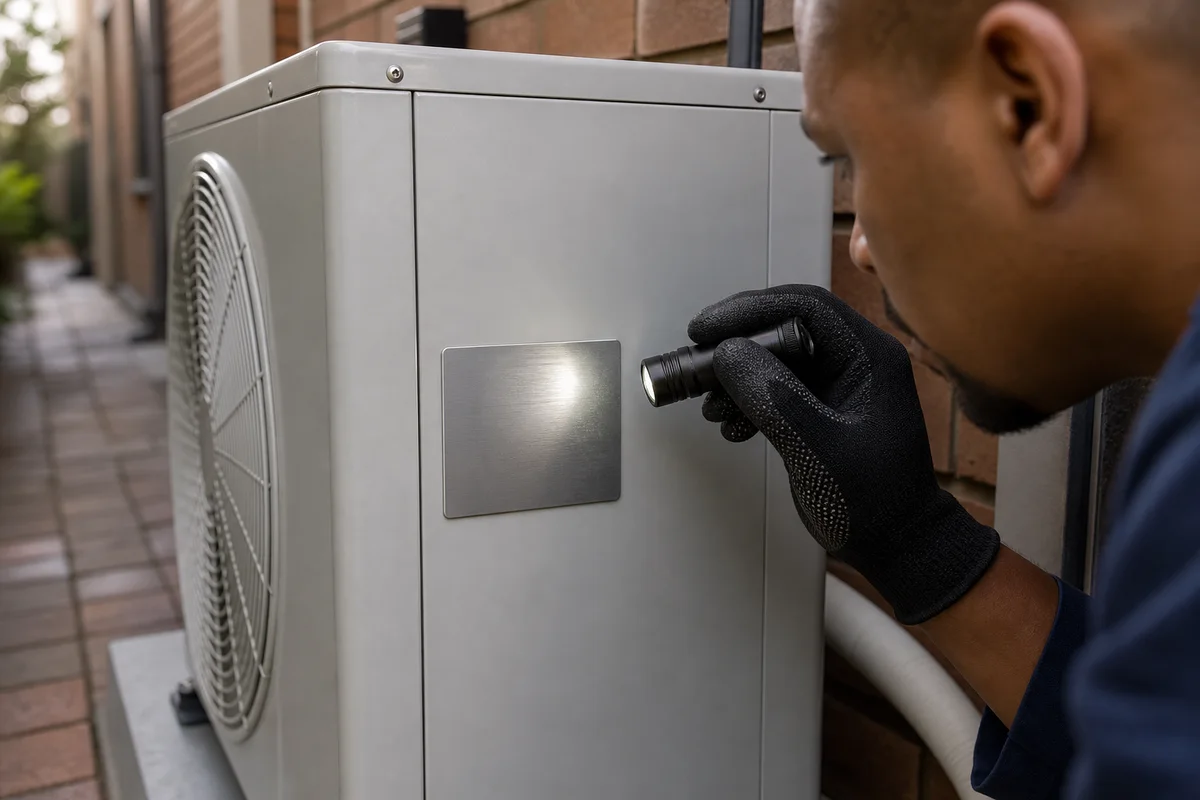
- Refrigerant work is legally regulated - ask your technician to confirm SAQCC Gas registration before any handling.
Table of contents
Table of contents11 min read
What the refrigerant does in your system
Modern household cooling works because a working fluid cycles heat out of rooms and into the outdoors. Since Willis Carrier developed the modern method of conditioning air in 1902, the refrigeration cycle has remained the basic process that keeps your home comfortable.
How the fluid carries heat
The refrigerant acts like the blood of an HVAC system, moving through components to absorb warm air and dump that heat outside. In simple terms, the fluid changes from liquid to gas and back again; that phase change is what carries most of the heat.
“Maintaining correct pressure in the coils is vital - different refrigerants operate under specific conditions.”
How the refrigeration cycle works
The cycle is a closed loop, and low refrigerant usually means a leak - learn the signs your aircon needs a regas so you can act before cooling drops off.
- Correct pressure in the coils preserves component life.
- Modern refrigerants are chosen to balance performance with lower GWP.
- Understanding these technical types helps you spot faults before they worsen.
We explain these basics so you can discuss options clearly with local technicians in Johannesburg, Midrand and nearby suburbs.
The shift away from older gases
Johannesburg’s cooling landscape has changed a lot since 2010, when the industry began phasing out older gases. This shift affects how local homeowners, landlords and facility managers plan for repairs and replacement.
Many older units still use legacy refrigerant, which is now harder and more expensive to source, so an aircon regas in Johannesburg can cost more or become impractical. After roughly 15 years of service a unit may need more frequent top‑ups or major work.
Newer products use gases with a lower GWP, so they run more efficiently and reduce long‑term environmental impact. Components are built for specific gases; using the wrong gas risks serious damage to the whole system.
- Decide whether repair costs and parts availability justify continued servicing.
- Request clear quotes that list parts, labour and compatibility for your unit.
- Plan replacements for areas with many older units, such as the CBD and suburbs like Fourways.
| Factor | Legacy units | Modern units |
|---|---|---|
| Gas availability | Scarce and costly | Readily available |
| Component compatibility | Designed for older gas | Optimised for lower‑GWP gases |
| Service decision | Short‑term fix may be costly | Better long‑term efficiency |
We provide the information you need to weigh servicing against replacement and to request quotes from contractors who understand local hvac needs.
Why Global Warming Potential Matters for Your System
When cooling gas escapes from a unit, its climate effect depends on a single metric: global warming potential (GWP). This figure compares a cooling fluid to carbon dioxide and shows how much harm a leak can do over time.
GWP is critical because it shapes both regulation and product design for local hvac markets. Systems built for low‑GWP gases reduce long‑term warming and often deliver better energy performance.
Ozone damage versus warming
Ozone depletion and global warming are related but distinct. Some older gases damaged the ozone layer, prompting international phase‑outs and driving the move to safer alternatives.
“If your air conditioner develops a leak, the escaping gas can have a significant environmental impact depending on its specific GWP rating.”
Consider these practical points when assessing a home system:
- GWP matters: higher values mean greater warming if the gas escapes.
- Leaks are serious: even small leaks can add up in environmental cost.
- Design follows rules: modern conditioning systems are engineered around low‑GWP gases.
We provide clear information so you can judge the potential impact of your current unit, request sensible quotes, and choose options that protect the environment and your local community in Johannesburg and Midrand.
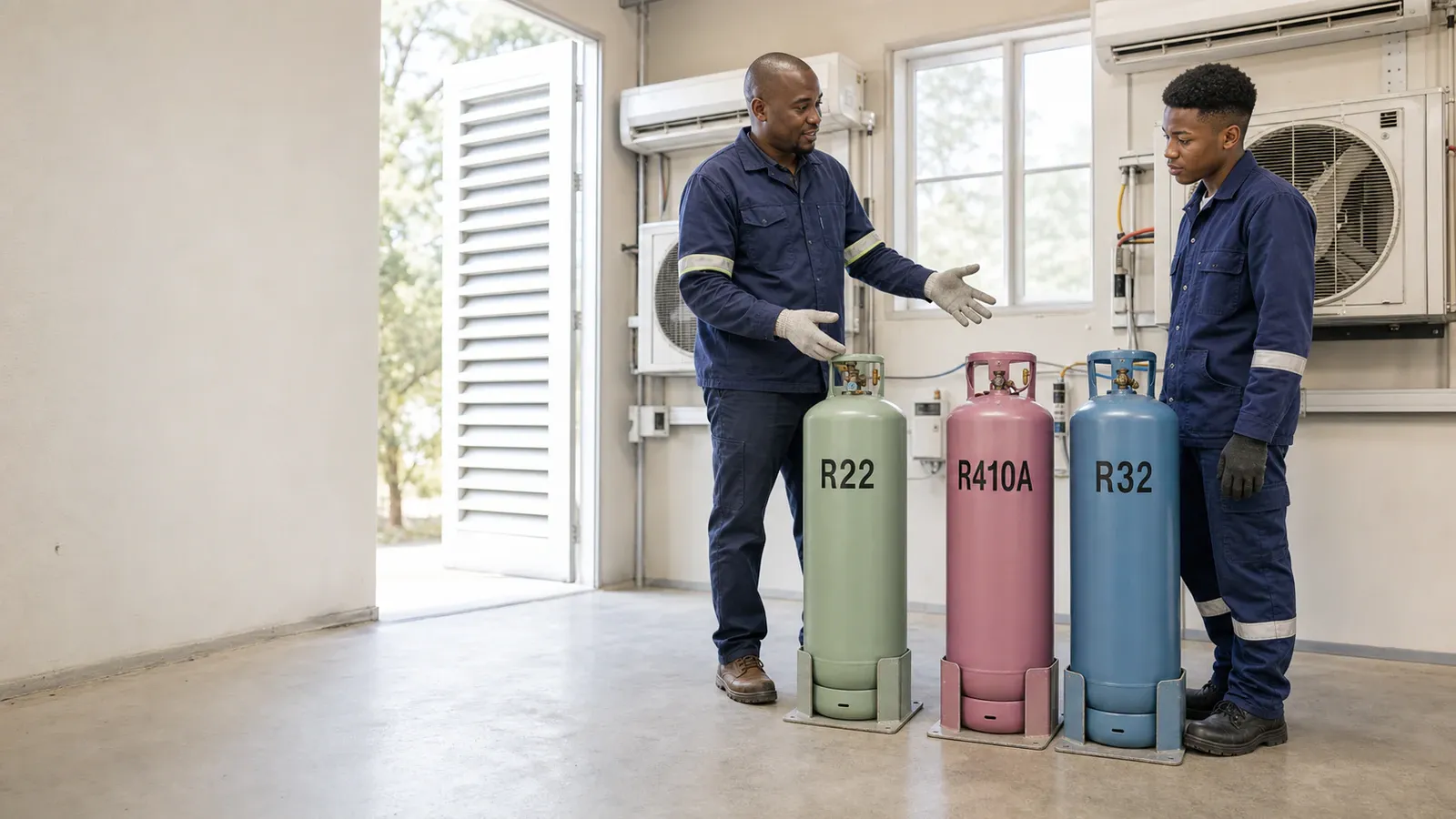
R22, R410A and R32 side by side
Efficiency, pressure and global warming potential are the three lenses to compare legacy and modern cooling gases for Johannesburg homes.
R22: the old standard
R22 was the long‑standing standard and offered reliable cooling for many years. Its main drawback was high ozone depletion potential and a heavy environmental cost.
R410A: ozone-safe but higher pressure
R‑410A is a blend of R‑32 and R‑125. It removed ozone‑depleting chemicals but operates at higher pressure than older gases.
This change allowed better cooling performance, yet R‑410A’s GWP has led the industry to seek lower‑impact options like R‑454B and R‑32.
R32: efficient and lower impact
R‑32 is a single‑component option with superior heat transfer and a lower environmental footprint. Systems using R‑32 often deliver better energy efficiency and simpler servicing for local hvac teams.
“Knowing the refrigerant used in your unit helps you plan for efficient performance and safe replacement.”
- R22: phased out due to ozone and regulatory pressure.
- R410A: improved cooling but higher GWP than modern alternatives.
- R32 (and R‑454B): lower GWP, better heat transfer, future‑facing choice for new units.
We help you understand these differences so you can discuss options with technicians and make informed decisions about servicing or replacement.
Why refrigerant work needs a certified tech
Handling the gas inside a conditioning system needs training, certification and care. In South Africa the South African Qualification and Certification Committee (SAQCC) regulates how technicians work with refrigerants to protect people and the environment; ask your contractor to confirm they use SAQCC Gas registered technicians before any work.
Never attempt to service the system yourself. Trained HVAC technicians manage pressures, chemicals and sealed components safely. A qualified installer will check for a leak, the most common reason a unit loses cooling over the years.
Proper service goes beyond a quick fix. It ensures your unit runs efficiently, meets gwp and ozone rules, and reduces the chance of early replacement.
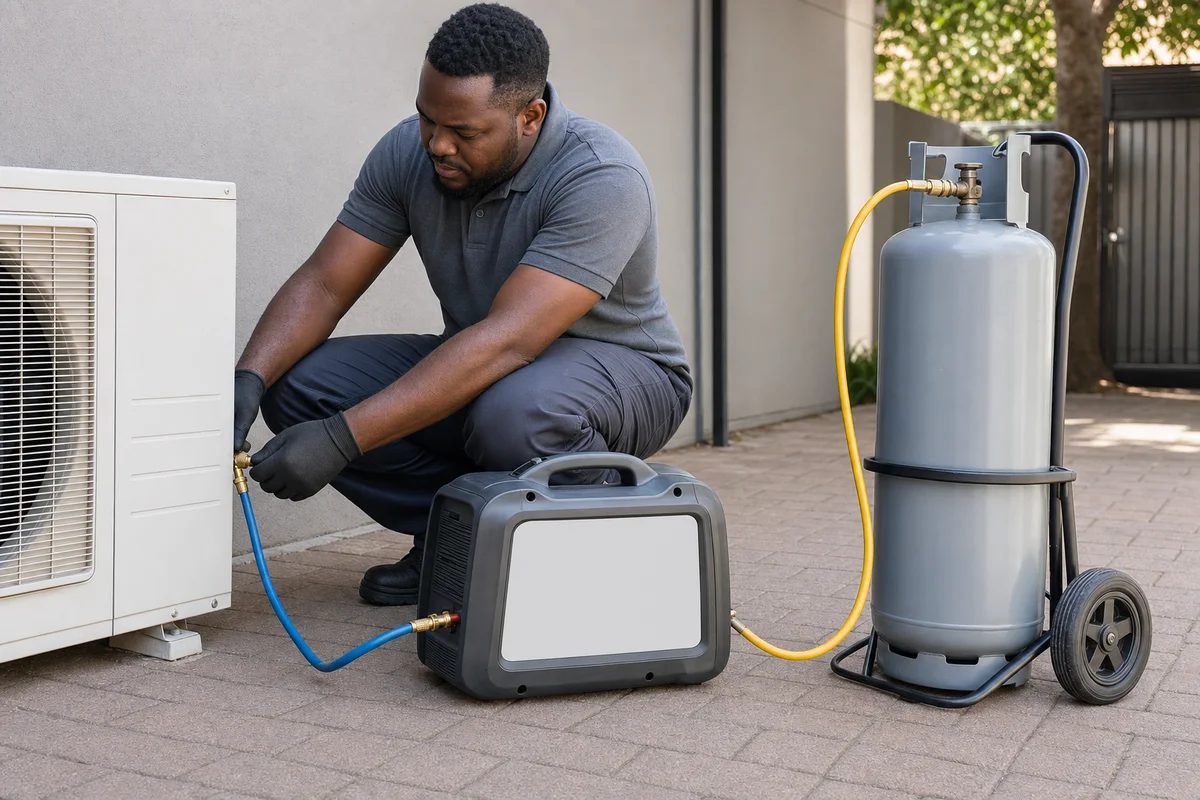
- Safety and compliance: SAQCC certification means technicians follow legal handling and disposal rules.
- Correct diagnosis: Experts locate leaks, test components and restore correct pressures.
- Responsible disposal: Old gas and components are recycled or destroyed safely.
“Certified maintenance protects your investment and keeps your home comfortable year after year.”
When you request a quote through our platform, you are connected with independent contractors trained to service various systems. Regular maintenance saves money, extends the life of your unit and keeps your home safe.
Weighing repair against replacement
Making informed decisions for your home cooling needs begins with clear, local information. Understand how system capacity, room size and service access affect efficiency and running cost.
Compare aircon quotes across Johannesburg on our platform - up to three, or up to five where available, from independent contractors. Our quote process helps whether you need a simple repair, a leak check, or full replacement.
Costs depend on brand, BTU requirements, access and labour. Discuss refrigerant compatibility, expected energy use and GWP with your chosen HVAC professional before you agree work.
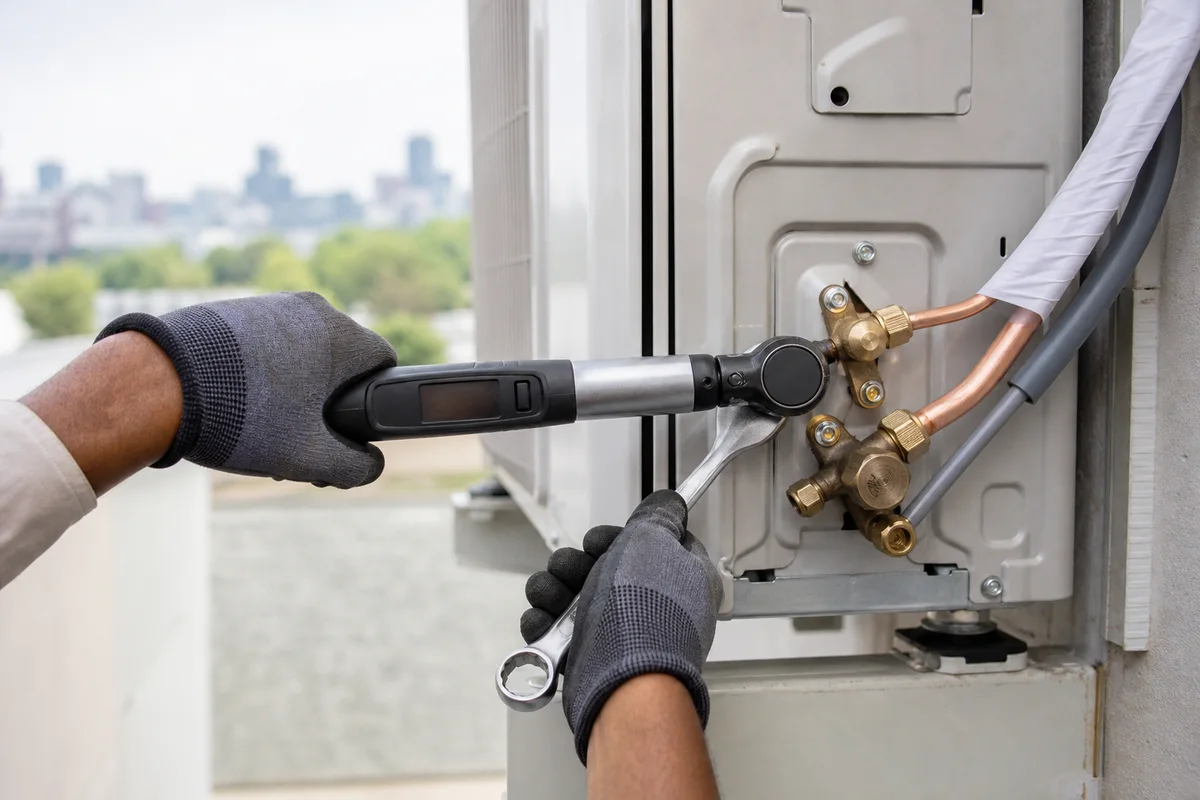
Start the quote process today to get written options that let you balance comfort, cost and environmental potential for your home.
FAQ
What do R22, R410A and R32 mean for my Johannesburg home cooling system?
These are common cooling gases used inside systems to move heat from indoors to outdoors. R22 is an older hydrochlorofluorocarbon (HCFC) that harms the ozone layer and is being phased out. R410A replaced R22 in many units; it works at higher pressures and is ozone-safe but has a relatively high global warming potential (GWP). R32 is a newer option with lower GWP and better efficiency for many split systems, though it can require different service routines and safety clearances.
How does the cooling gas actually transfer heat?
The fluid circulates through the indoor and outdoor components, changing state from liquid to vapour and back. Inside, it absorbs heat from room air at the evaporator, then a compressor raises its pressure and temperature. At the condenser outside, it sheds that heat to the air and condenses back to liquid, ready to repeat the cycle. The process depends on correct charge, pressure and component condition.
Why should I care about global warming potential (GWP) when choosing a system?
GWP measures how much heat a gas traps in the atmosphere relative to carbon dioxide. A lower GWP reduces long‑term climate impact if leaks occur. South African regulations and manufacturer guidance increasingly favour lower‑GWP options. Choosing a gas with lower GWP helps future‑proof your purchase and may affect operating costs and resale value.
Does ozone depletion still matter when selecting a gas?
Yes. Some older gases like R22 damage the ozone layer and are being phased out worldwide. Modern alternatives - R410A and R32 - do not deplete ozone. For homeowners, using ozone‑safe gases reduces environmental harm and aligns with legal and supply changes that limit service options for phased‑out gases.
Is R32 more efficient than R410A for a typical room or split unit?
Often yes. R32 tends to offer higher energy efficiency and a lower GWP than R410A in comparable units, which can mean lower running costs. However, actual performance depends on unit design, room size, insulation, siting and correct installation. Always check system capacity, seasonal efficiency ratings and contractor advice for your room size and cooling needs.
Can my existing R22 system be refilled with R410A or R32?
No. R22 systems were built to different pressure and lubricant standards. Converting to R410A or R32 is not a straight swap and risks poor performance or damage. In most cases the recommended route is a replacement outdoor and indoor unit designed for the new gas. Ask an independent HVAC contractor for a written quote and assessment of options for your unit and property.
What safety or servicing differences should I expect with R410A and R32?
R410A runs at higher pressure and requires components and hoses rated for that pressure. R32 is mildly flammable (A2L classification) and needs contractors trained in safe handling and correct charging procedures. Both gases require certified technicians for leak detection, recovery and refill. Regular maintenance - filter cleaning, coil checks and leak inspections - keeps systems efficient and safer to operate.
How do I spot signs of a gas leak or reduced cooling performance?
Typical symptoms include weak airflow, warm air from the indoor unit, longer run times, unusual hissing sounds near piping or higher electricity bills. Ice on the evaporator coil can also indicate low charge. If you notice these, arrange a professional inspection promptly; prompt detection reduces energy waste and limits environmental impact.
Will switching to a lower‑GWP gas reduce my energy bills immediately?
Lower‑GWP gases like R32 can be part of more efficient system designs, which may lower running costs, but savings depend on the entire system: correct sizing, installation quality, thermostat settings, insulation and maintenance. A new, properly sized unit often delivers the best balance of efficiency and comfort for a given room size.
How should I choose between repair, retrofit or full replacement for an old unit?
Consider the unit’s age, frequency of faults, availability and cost of parts, and whether it uses a phased‑out gas. If your system is over 10-15 years old, uses R22 and needs major repairs, replacement with a modern low‑GWP unit is often more cost‑effective and reliable. Obtain up to 3 written quotes from independent contractors in Johannesburg to compare costs, lead times, energy ratings and warranties.
What should I check on a written quote before authorising work?
Check unit type and capacity (kW), estimated room size coverage, gas used, labour and parts breakdown, access or disruption notes, warranty details and any permits or disposal costs. Confirm who verifies correct sizing and whether the contractor is qualified to handle the specific gas. Our platform can help you request up to 3 quotes from independent installers for local comparison.
Where can I find qualified contractors in Johannesburg to service or replace my system?
Look for HVAC technicians certified to handle the relevant gas, with local references and public liability insurance. Ask for proof of training on A2L refrigerants if considering R32. Use our platform to request up to 3 quotes from independent contractors; they will assess site access, unit type, room size and provide written proposals for comparison.
Ready to request quotes?
Submit a request and independent local air conditioning installers in Gauteng may respond with their availability and pricing. No obligation to accept any quote.
Request Free Quotes