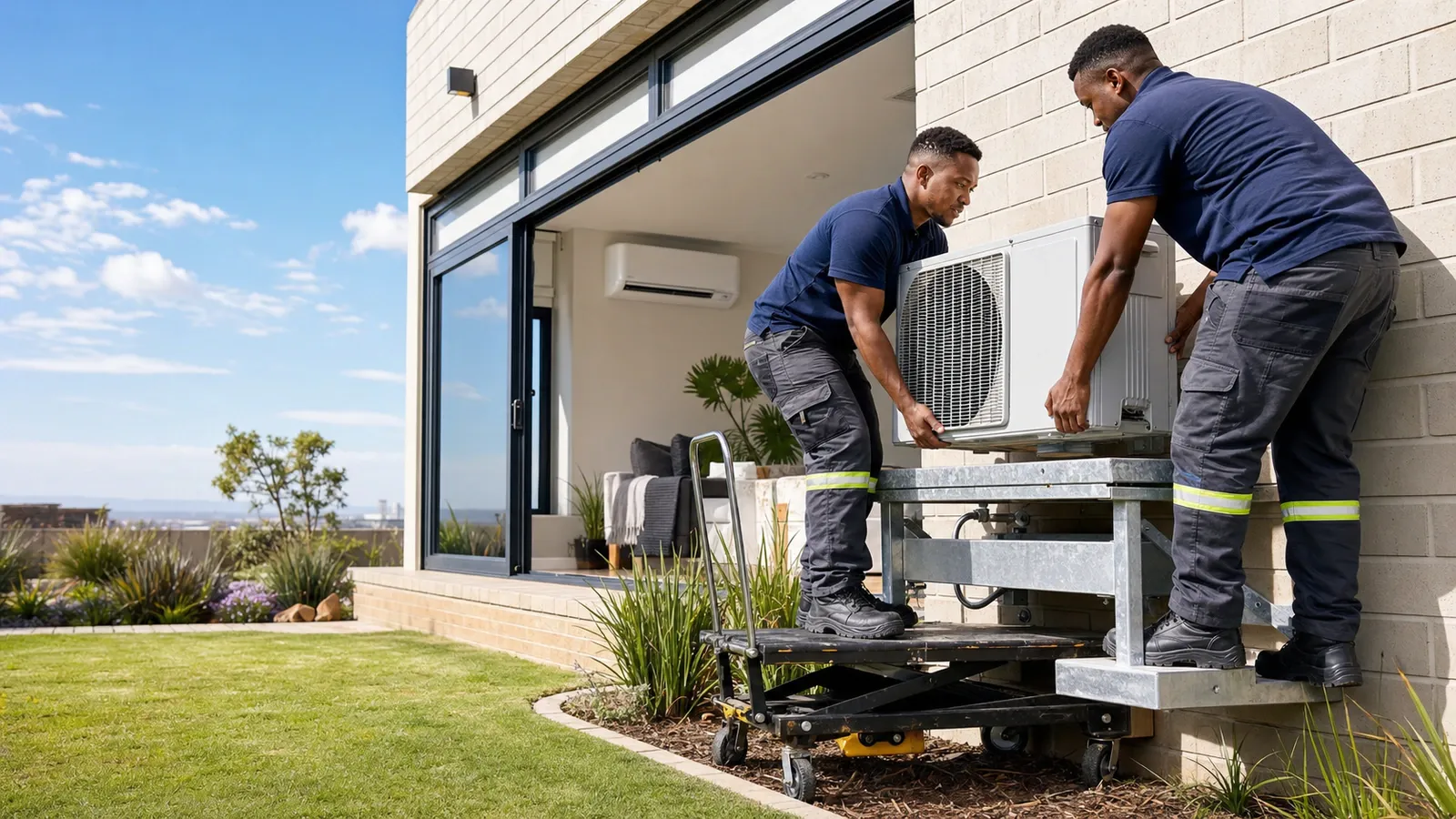
Aircon Installation Johannesburg
Compare quotes from independent Johannesburg technicians for correctly sized aircon installation.
Independent quote comparison across Gauteng

Free. No sign-up. No obligation to accept any quote.
9 min read
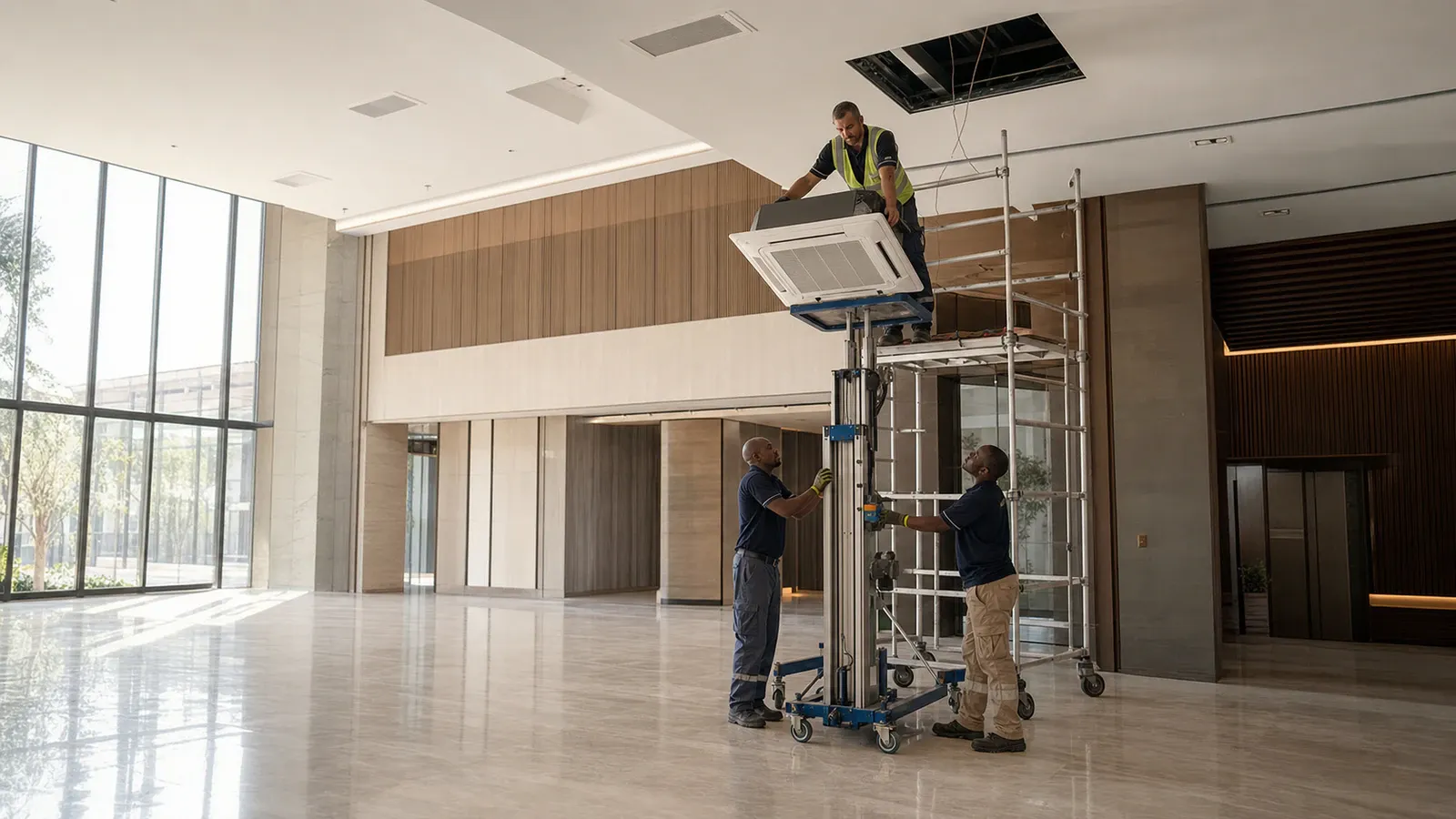
Quick answerA cassette aircon sits flush in a suspended ceiling and pushes air four ways, suiting Johannesburg offices and shops from about 20 m² to 120 m². The indoor unit typically needs a 900 mm square ceiling recess. Our platform gathers up to five quotes.
Cassette aircon sits flush in a suspended ceiling and pushes conditioned air four ways, making it a neat choice for Johannesburg offices, shops and open-plan commercial spaces.
At airconditioning-johannesburg.co.za we help you find local contractors across Sandton, Randburg and Roodepoort without doing the work ourselves.
These ceiling-mounted units are a mainstay of commercial air conditioning in Johannesburg, from boardrooms to retail floors.
We provide clear information and essential details about the aircon services we list in Fourways, Midrand, the CBD and JHB South to help you compare quotes and make sensible choices.
This guide explains how a cassette unit sits in a ceiling cavity to circulate air efficiently in offices and retail spaces.
Every user can rely on our platform to discover professional service providers, review practical facts, and check written quotes before committing.
Practical, local guidance helps you understand sizing, access, parts and labour so you can compare cassette installation prices and plan with confidence.
Table of contents
For many local shops and offices, a four-way ceiling unit offers neat cooling that fits suspended grids.
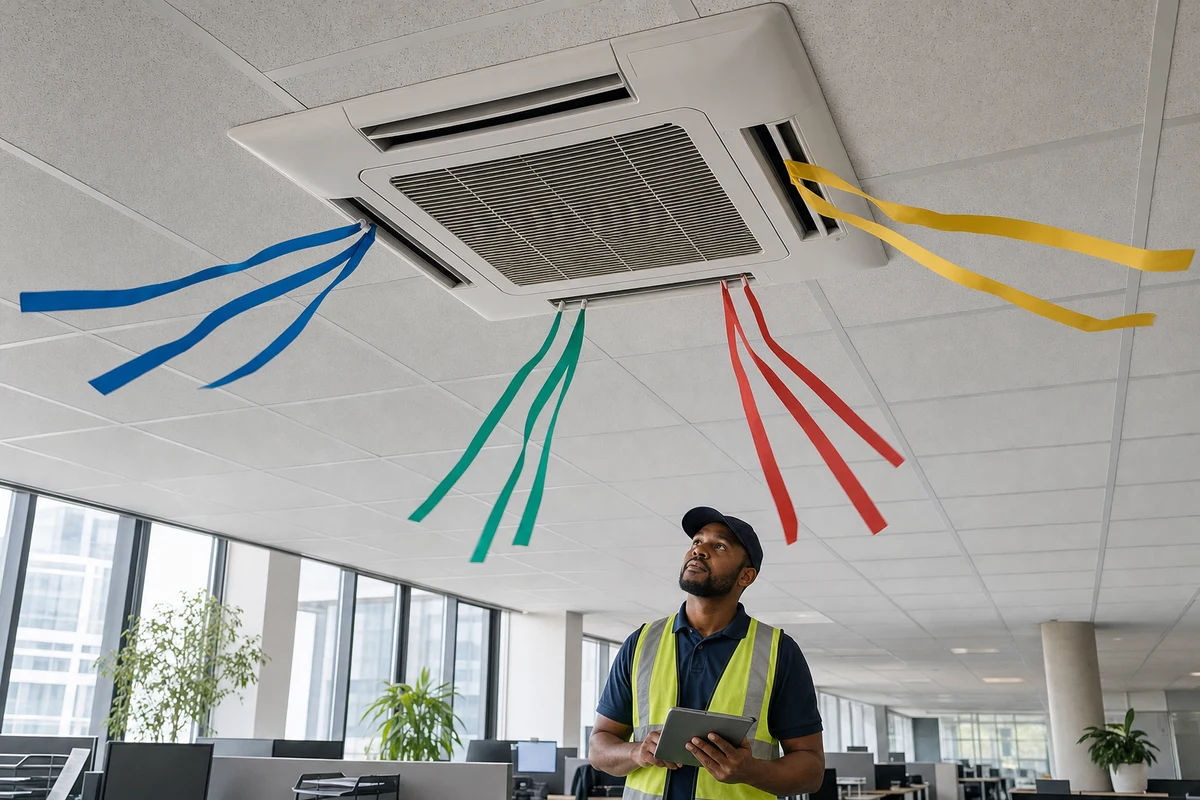
These systems suit rooms from 20 m² up to about 120 m², making them ideal for small suites and larger open-plan offices. The four-way design pushes conditioned air in each direction, cutting down on hot spots. For very large or multi-room premises, a ducted system can distribute air more evenly across the whole floorplate.
Even air distribution: The four-way pattern ensures every corner receives airflow, which keeps staff productive and equipment cool.
Discrete ceiling fit: Fully recessed into a suspended ceiling, the unit preserves visual lines and frees up wall space for storage and displays.
A quality inverter unit adapts output to demand, saving energy while keeping temperatures steady. Match the unit to your room size and expected loads so it neither short-cycles nor struggles on hot days.
| Room Size (m²) | Suggested Unit Size | Typical Ceiling Type | Comfort Notes |
|---|---|---|---|
| 20-40 | 2.5-3.5 kW | Suspended grid | Quick cool down; good for meeting rooms |
| 40-80 | 4.0-6.0 kW | Suspended grid / low void | Even distribution; open-plan offices |
| 80-120 | 6.5-9.0 kW | Suspended grid / high void | May need multiple units for uniform comfort |
Before installation, confirm the suspended ceiling can accept a 900mm x 900mm recess so the indoor unit sits flush with the grid.
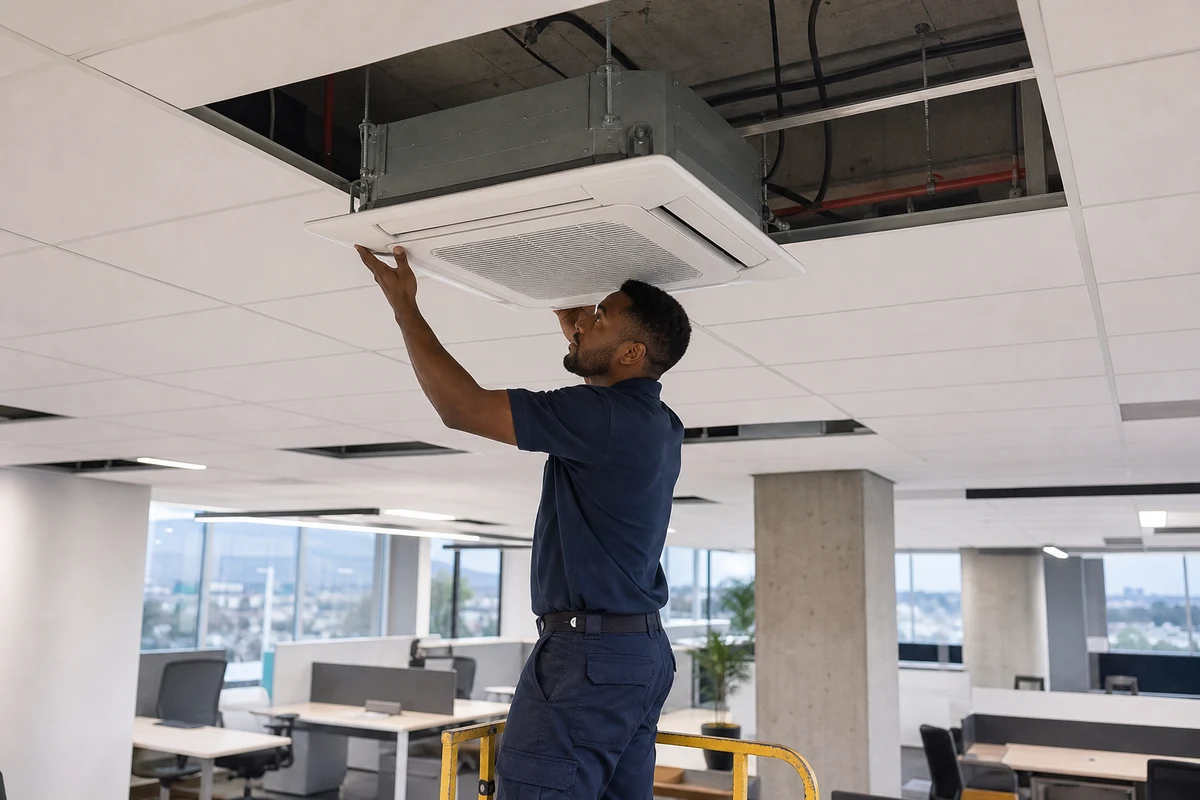
Measure the ceiling void depth. A professional installer must verify there is enough clearance for the cassette inverter, refrigeration piping and service access.
Correct positioning within the suspended grid keeps the four-way airflow panel aligned and prevents clashes with lighting or ductwork.
We provide clear information and technical details to help you prepare your office. Reviewing these points makes it easier to arrange a professional cassette installation and avoid costly adjustments on site.
Costs for a commercial cooling install depend largely on unit size, ceiling complexity and site access.
The main cost items are the cooling capacity you need and the brand of the system. Higher kW or BTU ratings raise equipment price. An inverter model typically costs more upfront but saves energy over time.
Ceiling works affect labour and materials. Cutting a suspended ceiling, reinforcing the void and routing refrigeration piping all add to the quote. Mounting the four‑way panel and ensuring service access also take time.
The outdoor unit starts at about 800mm x 550mm and must sit on a secure bracket with good airflow. Placement choices influence compliance, maintenance access and noise mitigation.
| Cost Driver | Impact | Note |
|---|---|---|
| Unit capacity | High | BTU/kW determines size and price |
| Ceiling works | Medium-High | Panel fit, piping and access |
| Outdoor placement | Medium | Brackets, airflow, maintenance |
Get practical, comparable pricing for ceiling-mounted cooling solutions from independent local contractors in Johannesburg.
Visit airconditioning-johannesburg.co.za to Get cassette aircon quotes from independent local installers who provide written guarantees. Refrigerant work must be handled by an SAQCC Gas-registered technician, so confirm registration before you book.
Our platform lets every user request up to three quotes, or up to five where available, so you can compare scope, price and timing without pressure.
For offices, ask whether the contractor also offers a maintenance plan so filters and coils stay clean year-round.
Compare installers, check qualifications and confirm written guarantees before you accept a quote. This simple step protects your ceiling, unit and ongoing air quality.
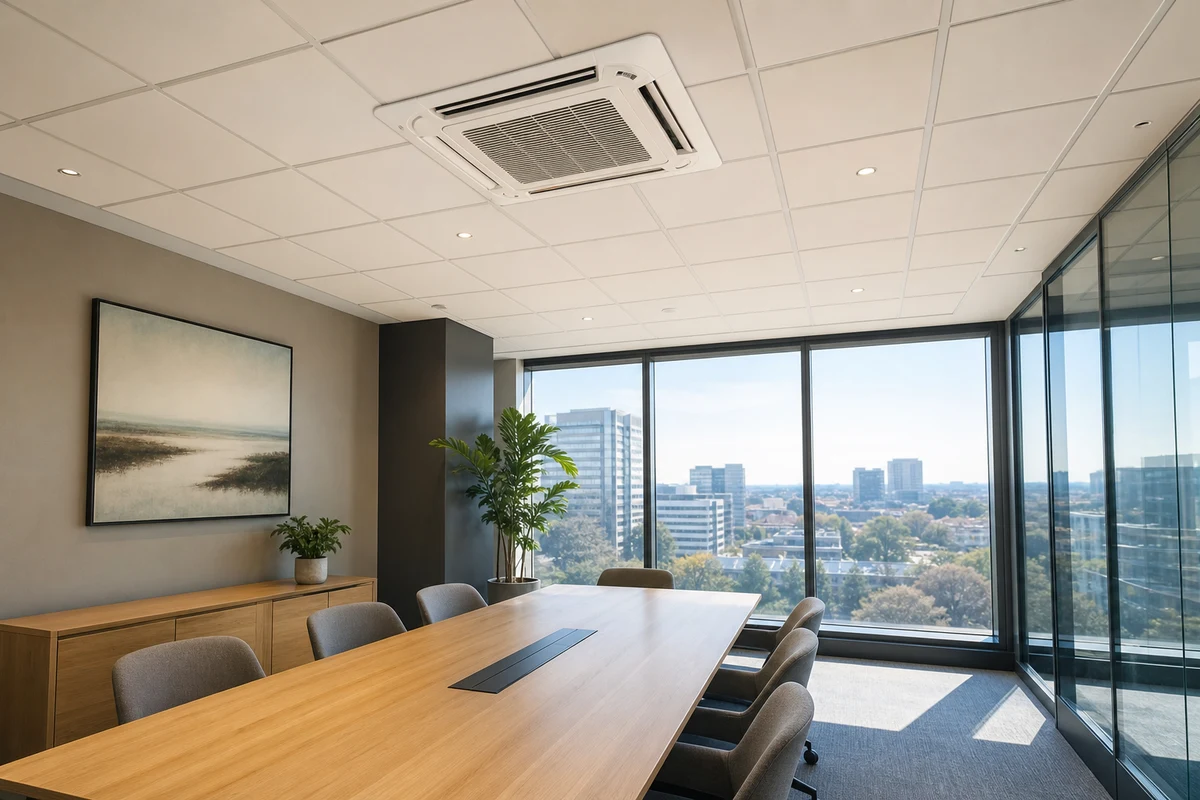
A cassette inverter unit is a ceiling-mounted system that distributes conditioned air evenly through a room via a central panel. For Johannesburg offices, it works well where ceiling tiles and a ceiling void allow neat installation, and where even cooling across a large open-plan area is needed. Consider room size, ceiling height and access to a condensate drain when choosing capacity. Request up to three independent quotes to compare sizing and energy-efficiency options.
Calculate cooling needs from room area, occupancy, equipment heat load and solar gain. A contractor will assess kilowatt (kW) requirements and recommend an inverter model with a suitable output range. Factor in future layout changes, ceiling void constraints and energy use targets. Always ask for written details of the unit size, efficiency rating and expected running costs in the quote.
Cassette systems offer discreet ceiling installation, 360-degree airflow distribution, and quieter operation than some wall units. They free up wall space and give a neat finish with a removable panel for filter access. For landlords and managers, benefits include centralised control options, better comfort for tenants and efficient zoned cooling, though a multi-split system may suit sites that need separate wall units per room.
You need a suitable ceiling void depth, a structural grid that can support the unit weight, access for refrigerant and power lines, and a clear route for condensate drainage. Panel size should match the ceiling tile layout. Contractors will check ceiling joists, insulation and access panels before advising on any modifications.
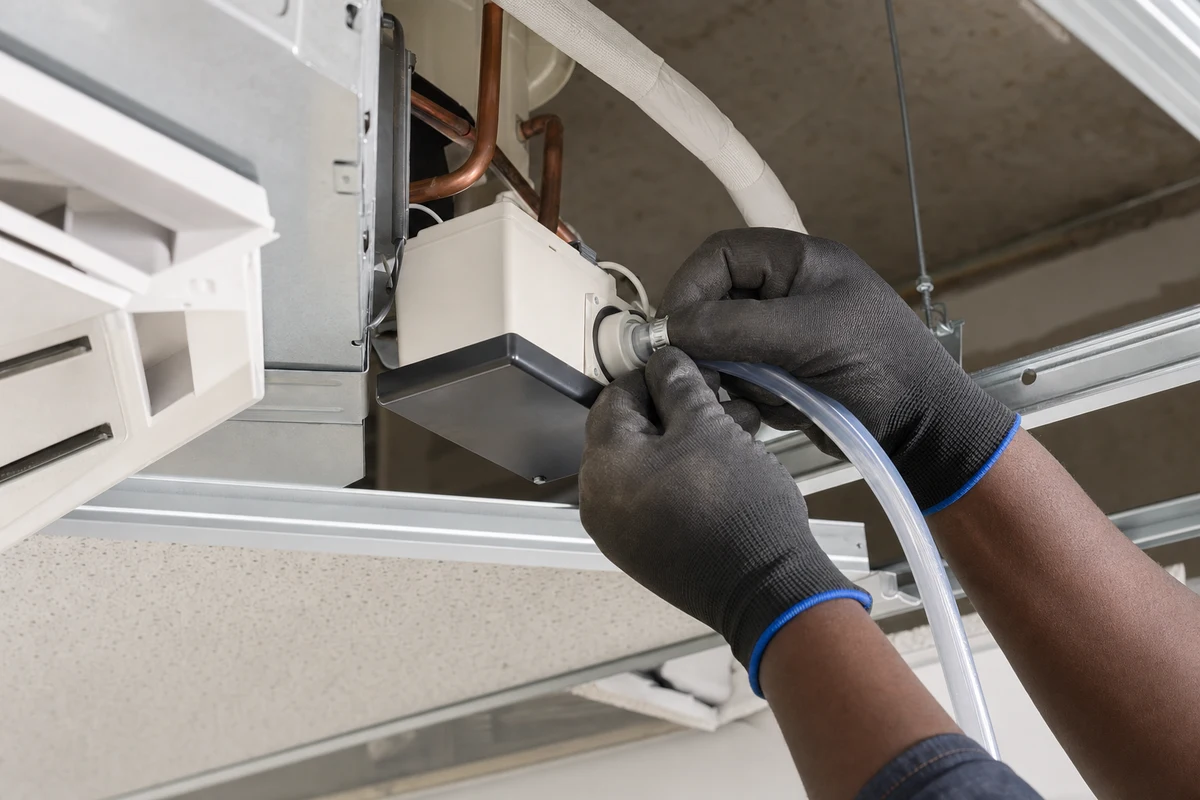
Most installations use a condensate pump or gravity drainage to remove collected water from the drip tray. The pump or drain line must be routed to a suitable discharge point. Ensure the chosen solution is specified in the quote, including pump capacity, installation position and maintenance access.
Costs depend on unit type and capacity, number of indoor panels, outdoor unit requirements, refrigerant lines length, access and ceiling modifications, electrical upgrades, and labour for installation. Parts such as control panels, condensate pumps and filters add to costs. Request itemised quotes so you can compare parts, labour and warranties.
Yes. You may request up to three quotes, or up to five where available, from independent contractors. Each contractor handles sizing, pricing, timelines and warranties. Use the quotes to compare unit specifications, energy use estimates and written guarantees before choosing a supplier.
Check exact unit model and inverter specification, cooling capacity (kW), energy efficiency ratings, scope of works for ceiling void alterations, condensate drainage method, electrical requirements, total parts and labour costs, lead times and warranty details. Confirm access needs and any ongoing service plans.
Regular servicing is recommended at least once a year for commercial systems, or more frequently in high-usage settings. Service usually covers filter cleaning or replacement, inspection of the condensate pump and drain lines, refrigerant level checks, panel cleaning and testing control functions. Regular maintenance reduces faults and improves energy efficiency.
Watch for reduced cooling, unusual noises from the panel, water leaks from the ceiling, persistent error codes on the control panel, or increased energy bills. These signs can indicate blocked filters, condensate pump failure, refrigerant leaks or electrical faults. Obtain a written fault diagnosis and repair quote from a qualified contractor.
Yes. Choose high-efficiency inverter models, correctly size the unit to avoid oversizing, add zoned controls and programmable timers, and ensure good insulation and shading in the space. Contractors can estimate likely energy use for each option in their quotes so you can compare lifecycle costs.
Independent contractors typically offer warranties on labour and installations, while manufacturers supply product warranties on compressors and parts. Ensure the quote states the length and scope of both types of warranty, including claim procedures and any service conditions that must be met to keep warranties valid.
Contractors will need clear access to the ceiling void, safe working space beneath the unit, access to an electrical supply and a suitable discharge point for condensate. Prepare the area by removing furniture or sensitive items and ensuring building management approvals are in place. Confirm any after-hours arrangements in advance.
It depends on panel size and condition. Some installations use a purpose-made panel that matches ceiling tiles; others require modification or replacement to fit the unit and allow access. Have contractors show panel options and any extra costs in the written quote.
Installation choices
Model availability varies by provider.



At a glance
Pricing depends on scope, prep work and access. Submit a request to get indicative figures from independent local air conditioning installers.
Request Free QuotesRelated services
Compare quotes from independent Johannesburg technicians for correctly sized aircon installation.
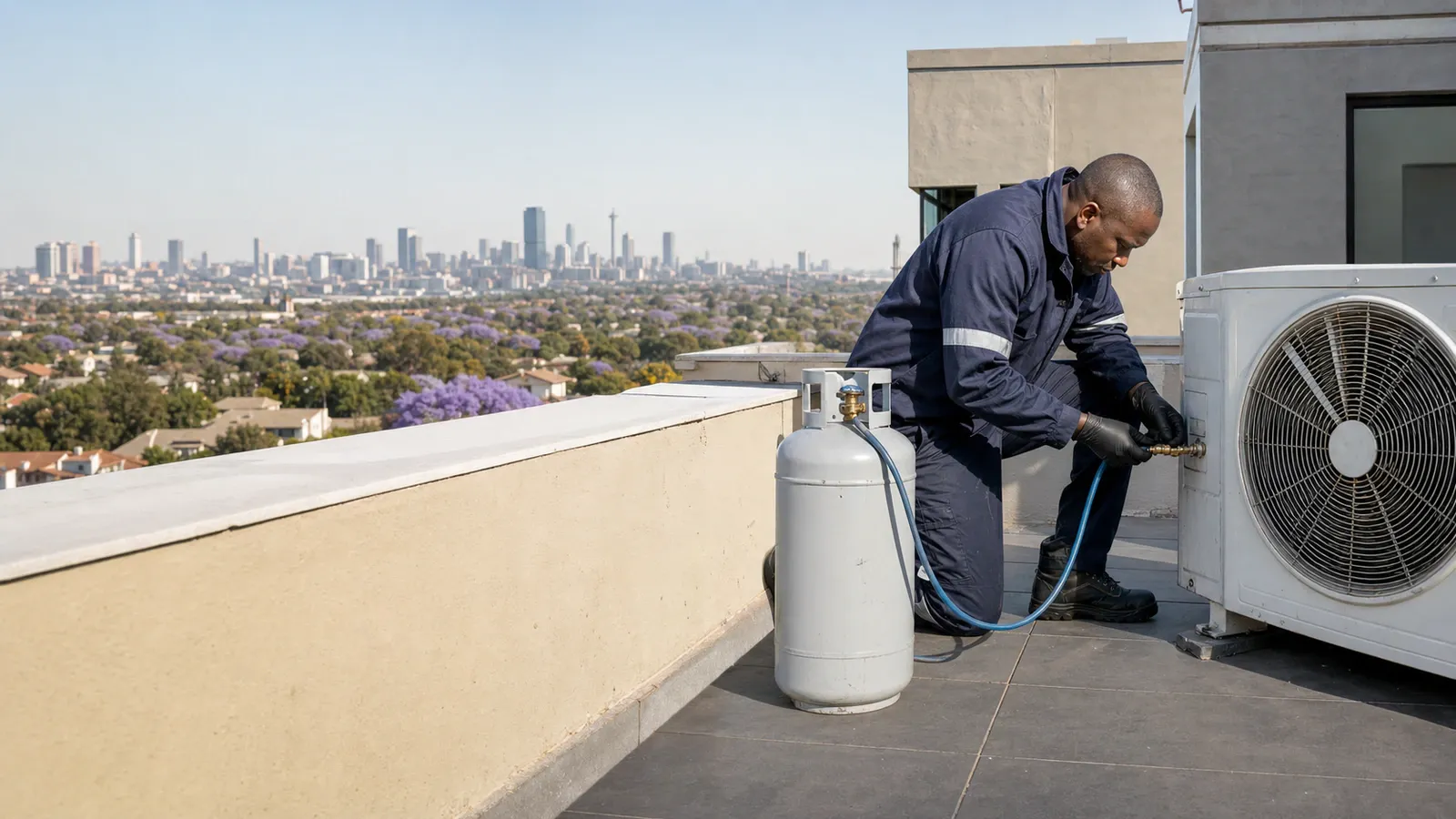
Compare quotes from independent Johannesburg technicians for aircon regas, leak detection and refrigerant top-ups.

Compare written quotes from independent aircon repair technicians across Johannesburg.
Submit your request and independent local air conditioning installers in Gauteng may respond with their availability and pricing. No obligation to accept any quote.
Air Conditioning Johannesburg uses essential cookies to run the site and, with your consent, anonymous analytics to improve it. See our Cookie Policy.