
13 min read
Quick answerAircon size is measured in BTU and matched to your room’s floor area, ceiling height, insulation, glazing and sun exposure. As a rough guide a small bedroom needs about 9 000 BTU and a large open-plan area 24 000 BTU+.
Choosing the right aircon size starts with matching cooling capacity, measured in BTU, to your room’s floor area, insulation and sun exposure - get it wrong and you pay for it in comfort and bills for years.
Choosing the right air conditioner size is a long-term decision that affects bills and comfort for many years. Our platform, airconditioning-johannesburg.co.za, acts as a sizing decision hub to help you weigh room layout, insulation, and cooling needs.
Determining the correct capacity for a room prevents short cycling, underperformance and premature wear. We explain how the unit, the room size and local climate work together so you can ask precise questions of independent contractors.
Use our guide to compare unit and installation prices, read the room-size-to-BTU chart below and avoid common pitfalls in Sandton, Randburg and beyond. We provide clear, practical guidance across our full range of aircon guides so you make an informed choice before seeking quotes.
Quick Facts & Key Takeaways
- Ceiling insulation is the biggest single lever - good insulation can let you drop to a smaller, cheaper unit.
- North- and west-facing rooms need 10-20% more BTU to cope with strong afternoon sun.
- Add roughly 10% more BTU for every 30cm of ceiling height above 2.4m.
- Oversizing causes short cycling and damp rooms; undersizing runs non-stop and wears out early.
- Online calculators are only a guide - get a proper load calculation, then compare up to three written quotes on our platform.
Table of contents
Table of contents13 min read
Cooling needs go beyond floor area
Cooling needs vary across Johannesburg homes, so floor area alone rarely tells the full story. When you consider a new air conditioner, look beyond simple measurements to assess how the space performs in real life.
Your room layout, insulation quality, and building orientation all influence the required capacity. A compact unit in a well-insulated lounge can out-perform a larger air conditioning system in a sun-facing room.
“Calculating carefully often lets you choose a smaller, better-matched model and still stay comfortable.”
We suggest you check these practical factors when judging air conditioner size and system choices:
- Insulation and window exposure over raw floor area.
- Room layout and internal heat sources.
- Local orientation and seasonal air movement.
Understanding your air conditioner need helps avoid oversizing that causes poor performance and higher running costs. Our platform guides you through the key factors so you can request accurate installation quotes from contractors in Midrand, Fourways and across Johannesburg.

What Size Aircon Do I Need for Optimal Efficiency
Rooms with high ceilings can feel cooler but actually demand extra power to condition the larger volume. Before you read off the chart below, check the volume of the space, not only the floor area.
Tall ceilings raise the cooling load
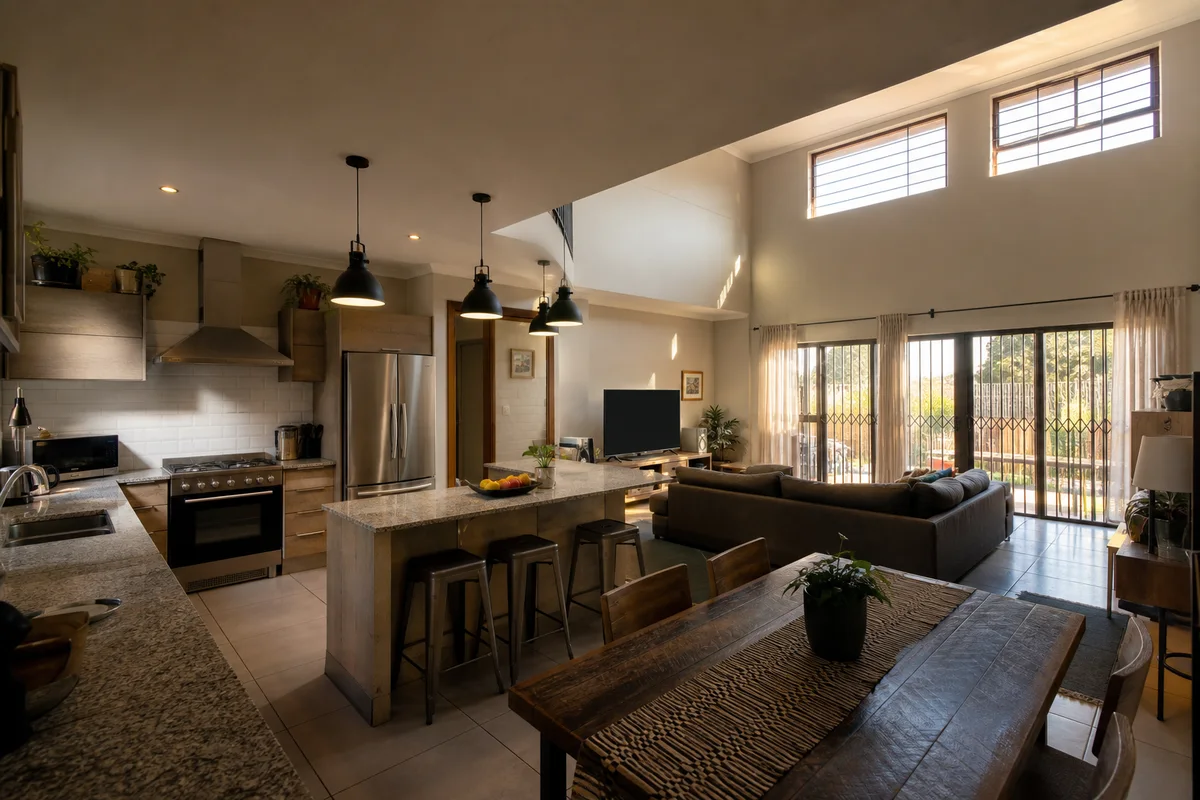
Every 30cm above 2.4m increases the cooling load. A taller living area holds more warm air and will need a larger unit or extra capacity from your system.
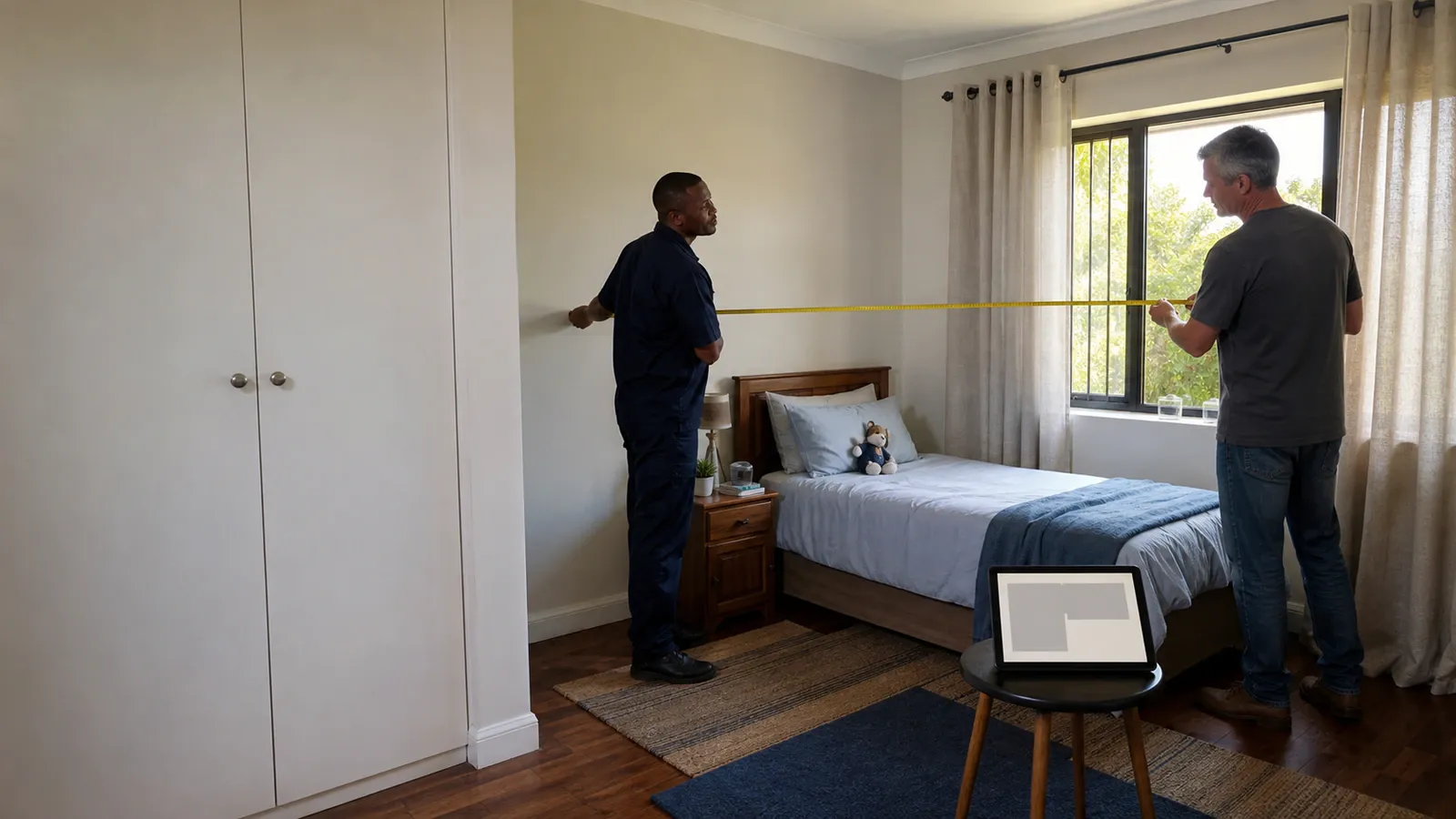
Measure length, width and ceiling height so you can give accurate details to contractors in Johannesburg. This helps avoid oversizing and higher running cost.
How insulation changes the sums
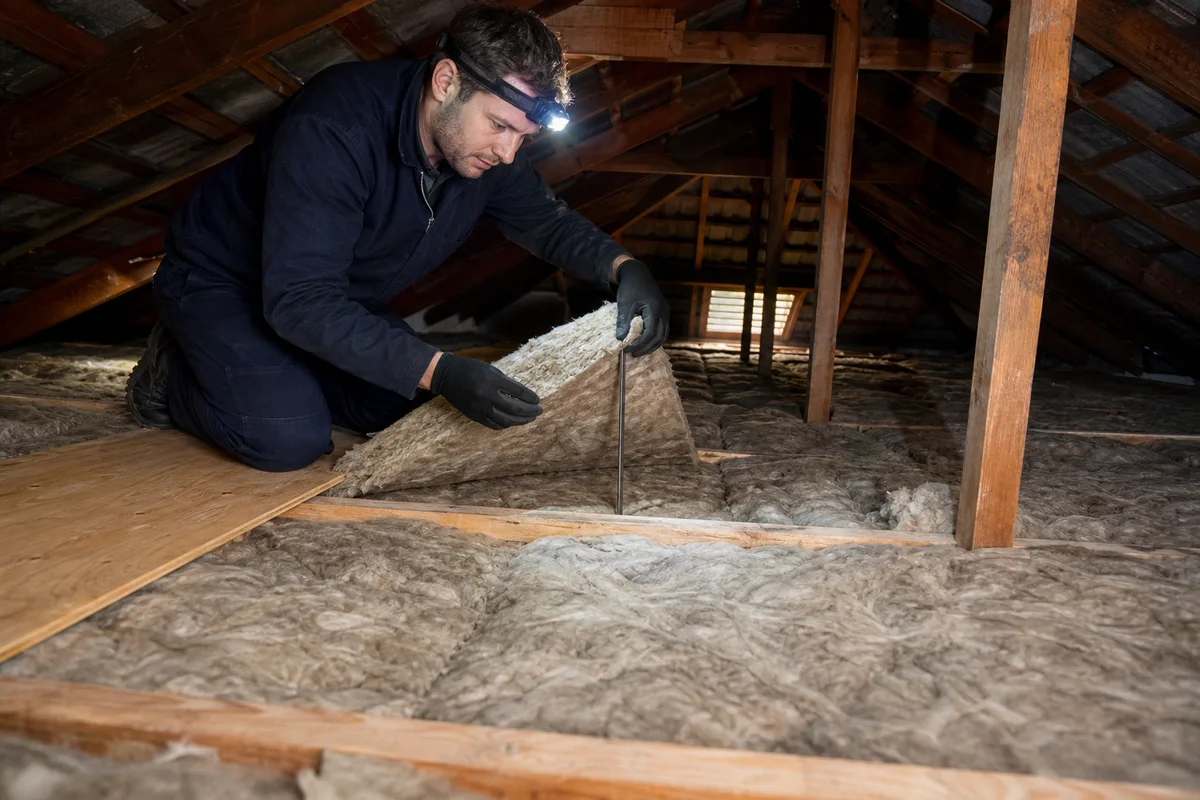
Ceiling insulation often has the biggest effect on the required air conditioner size. Good insulation can allow a smaller, more efficient unit and lower energy bills.
Large windows and poor roof insulation raise heat load. Ask an installer for a professional on-site load calculation to factor windows, orientation and insulation before installation.
| Factor | Effect on load | Action |
|---|---|---|
| Ceiling height | Higher volume increases BTU demand | Measure height; add capacity per 30cm over 2.4m |
| Ceiling insulation | Best single reducer of load | Improve insulation to choose smaller unit |
| Windows | More solar gain raises cooling need | Note orientation and glazing when sizing |
What BTU means for your room
BTU stands for British Thermal Unit and measures how much heat an air conditioner can remove from a room each hour.
Higher BTU ratings mean more cooling power, which helps in larger open-plan lounges or small commercial offices. Choose a rate that matches the room size and local conditions in Johannesburg.
Our platform explains how BTU relates to the different air conditioner types. Use the BTU reference chart below to compare levels and see which rating suits your home.
- The British Thermal Unit is the standard for matching an air conditioner to a room.
- Higher BTU removes more heat from the air and improves comfort when specified correctly.
- Correct BTU prevents short runs, reduces wear and lowers energy use.
Practical tip: note room orientation, glazing and occupancy when estimating needs. Bring these details to contractors to confirm the correct conditioner size.
| BTU range | Typical room type | Key factor |
|---|---|---|
| 6 000-8 000 | Small bedroom | Low occupancy, compact floor area |
| 9 000-12 000 | Medium lounge | Standard ceiling height, moderate sun |
| 14 000-18 000 | Large open-plan living | High occupancy, high solar gain |
Sun, glazing and people all add load
Sunlight, occupancy and glazing combine to set the real cooling load for any Johannesburg room. Assess these before selecting a size for your air conditioner.
Sun Exposure and Orientation
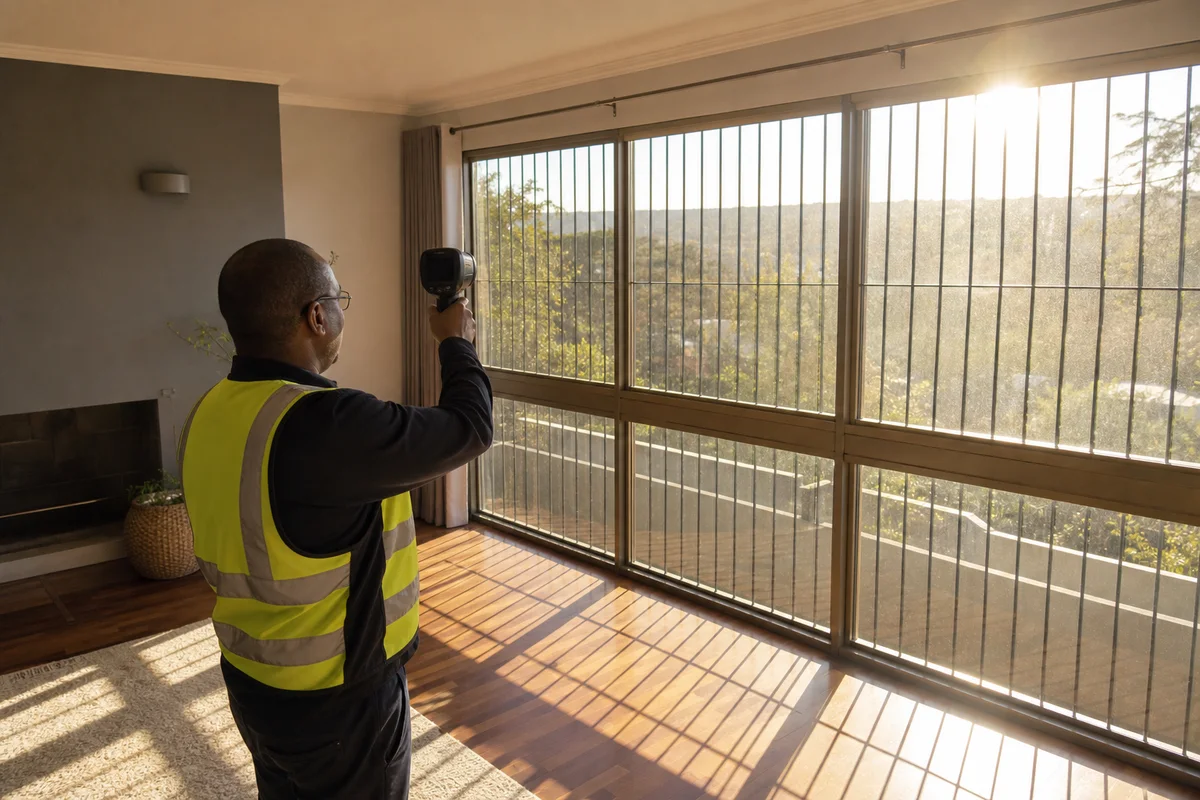
North- and west-facing spaces face intense afternoon sun. They typically require 10-20% more BTU to hold temperature during hot afternoons.
Consider shading, blinds or external screens to reduce this extra demand before upsizing a unit.
Window Surface Area
Large glazing raises heat gain and forces the air conditioner to run longer. South-facing rooms need less compensation than west-facing living areas.
Note window type and orientation, then share them with an installer for an on-site load calculation so the suggested size matches real conditions.
Occupancy and Appliance Heat
Each person and every appliance - TVs, computers, kitchen equipment - adds heat the system must remove.
If a bedroom has high ceilings and poor insulation the required BTU rises further. Balance people, equipment and ceiling height when you check conditioner need.
“Factoring sun, windows and people saved me from buying an oversized unit.”
- Sun exposure is critical for correct sizing.
- Windows increase cooling demand in living spaces.
- Ask an installer for an on-site load calculation to account for these factors and get precise quotes.
Room Area and BTU Reference Chart
Use a simple area-to-BTU chart to turn measurements into practical cooling choices. Measure the length and width of each room, then read those figures against the chart below to find a matched air conditioner capacity.
As a rule, a 9 000 BTU unit suits a small bedroom of about 12-18m². For large open-plan living areas, consider around 24 000 BTU.
Standard calculations assume a 2.4m ceiling. For every 30cm above that height add about 10% more BTU to cover extra volume and keep the air comfortable.
| Room area (m²) | Typical BTU | Common room type |
|---|---|---|
| 12-18 | 9 000 | Small bedroom |
| 19-30 | 12 000-18 000 | Medium lounge |
| 31+ | 24 000+ | Large open-plan area |
Remember to adjust for windows, insulation and the number of people. These factors change cooling demand and may shift the recommended unit up or down. Use the chart as a practical guide when you request quotes from local contractors.
Common Pitfalls of Incorrect System Sizing
An overpowered unit that cycles on and off steals comfort and drives up your electricity use. Short cycling wastes power and stops the air from reaching the right humidity, which leaves rooms clammy despite frequent runs.
The Risks of Short Cycling
Short cycling is a major risk when you choose an oversized air conditioner. The unit switches frequently, increasing wear and shortening the life of the system.
An undersized conditioner causes the opposite problem. It runs almost continuously, struggles to reach target temperature and pushes up energy cost over time.
- Short cycling causes premature failure and higher repair bills for your home.
- An undersized unit raises running cost and never cools the room properly.
- Poor installation or wrong specification often appears as fluctuating air and damp feeling in living and bedroom spaces.
- Proper matching of capacity to ceiling height, insulation and windows preserves efficiency and extends the unit’s years of reliable service.
“Correct sizing keeps power use down and humidity controlled - avoid guessing when you request an installation quote.”
Requesting sizing quotes locally
Requesting quotes through our platform links you with independent contractors across Johannesburg, including Sandton, Randburg, Roodepoort, Fourways, Midrand and the CBD/JHB South area.
Use the online form to describe your room, list any window exposure, and note ceiling height. Contractors will review these details and propose an appropriate unit and conditioner option.
You can request up to three quotes, or up to five where available, so you can compare units, installation cost and warranty terms before you decide.
- Our platform simplifies finding professional contractors in your local area.
- Independent teams handle all sizing, installation and servicing work.
- We do not perform installation or repairs; we connect you to trusted specialists.
Compare estimated running cost, parts and labour, and the recommended air conditioner capacity. This transparent approach helps you avoid common pitfalls of incorrect conditioning and protects your home over the years.
| Feature | What contractors assess | What you receive | Typical outcome |
|---|---|---|---|
| Room briefing | Floor area, ceiling height, window orientation | Written sizing recommendation | Matched unit and estimated cost |
| Quote options | Materials, labour, warranty terms | Up to 3-5 written quotes | Clear price and installer comparison |
| Local coverage | Installation teams in named suburbs | Contractor availability and timings | Faster site visits and local warranty support |
From BTU number to installed unit
Start with the room-size-to-BTU chart above to match your floor area to a capacity and get a clear cooling target for your room. Factor in window exposure and ceiling details so the figure reflects real use.
Use the chart to choose an air conditioner that fits the load. A correctly matched conditioner keeps temperature steady, reduces running cost and improves efficiency - and if you plan to run it in reverse for heating through winter, correct sizing matters just as much.
After you confirm the unit and conditioner requirement, estimate installed pricing with the aircon cost calculator, then request local installation quotes through our platform. We connect you to independent contractors who review details and supply written options.
Confirm your BTU target against the chart above, then have an installer verify it with an on-site load calculation and explore split-system installation to finish your climate conditioning project and secure comfort in your home.
FAQ
How do I calculate the BTU required for a room in Johannesburg?
Start with the room’s floor area (m²) and multiply by a baseline BTU per m² for typical living spaces. Adjust for high ceilings, poor insulation, large window areas, strong sun exposure and the number of occupants. For accuracy, request up to three quotes from local independent installers who will measure, check access and provide a written calculation and specification.
How does ceiling height affect the cooling capacity I should choose?
Higher ceilings mean a larger volume of air to cool, so you usually add capacity above the standard floor-area calculation. Rooms over 2.7-3.0 m often need an uplift in BTU or a system sized for greater airflow. An installer can measure ceiling height and recommend an appropriate unit or ducting change.
What role does insulation quality play in picking a unit?
Good insulation reduces heat gain and lets you use a smaller, more efficient unit. Poor insulation, single-glazed windows or gaps mean greater heat ingress, so you should plan for higher BTU and consider sealing and insulating improvements before finalising the system.
How many people in a room change the required capacity?
Each additional occupant adds body heat. For small rooms, add roughly 100-150 BTU per additional person beyond two. For meeting rooms or commercial spaces, factor in peak occupancy when sizing and choose a system with adequate control for variable loads.
How much do windows and orientation influence system sizing?
Large glass areas, north- or west-facing windows and rooms with long sun exposure raise cooling demand significantly. Increase the BTU allowance for rooms with extensive glazing or strong afternoon sun, or improve shading and use reflective films to reduce required capacity.
Is it better to oversize or undersize my air conditioner?
Both are problematic. Oversizing causes short cycling, higher running costs, poor humidity control and more wear. Undersizing leads to constant running, reduced comfort and premature failure. Aim for correct sizing based on room volume, insulation, windows and occupancy - installers can confirm with load calculations.
What is short cycling and why is it a risk?
Short cycling happens when a unit cools the space too quickly and switches off, then restarts frequently. This increases wear, raises energy use, and fails to remove humidity properly. Correctly sized equipment and proper control settings prevent short cycling.
Do different unit types change the sizing approach (split, window, ducted)?
Yes. Split systems and ducted systems require room-by-room or zone load calculations and consider duct losses. Window and portable units often have less efficient delivery and should be sized for the specific room. An installer will recommend the best type for access, noise, aesthetics and performance.
How does energy efficiency affect the unit I should buy?
Higher SEER/COP ratings lower running costs. Choosing an efficient unit sized correctly gives the best balance of comfort and energy use. Also consider an inverter aircon; these modulate output to match load and reduce cycling and electricity spikes.
What should I check in written quotes for Johannesburg properties?
Ensure each quote lists the calculated BTU or kW capacity, unit make and model, energy efficiency rating, estimated running costs, access and installation requirements, parts and labour warranty, commissioning actions and a clear timeline. Our platform lets you request up to three quotes, or up to five where available, from independent contractors.
Can I use an online calculator to choose a unit?
Online calculators give a useful estimate based on area, but they can’t capture insulation quality, window orientation, ceiling height, or access issues. Treat results as a guide and get a professional site assessment for a final recommendation and written quote.
How often should a system be serviced to maintain capacity and efficiency?
Annual servicing is recommended for most domestic systems; high-use or commercial installations may need two services a year. Regular maintenance preserves cooling capacity, checks refrigerant levels, cleans filters and avoids unexpected failures.
What signs indicate my current system is the wrong size?
Common symptoms include short cycling, constant running without reaching set temperature, high humidity after running, uneven temperatures between rooms, and rising energy bills. These suggest a sizing or installation issue - have a contractor diagnose the cause.
Will improving insulation or shading let me choose a smaller unit?
Yes. Upgrading insulation, adding window shading, sealing gaps and improving ventilation reduce cooling load. These measures can allow a smaller, more efficient unit and lower installation and running costs. Contractors can advise on cost‑effective measures for your property.
How does appliance and kitchen heat affect sizing for adjacent rooms?
Kitchens and rooms with many heat-generating appliances need extra capacity. Treat kitchens as separate load areas or specify a system with additional cooling for the adjoining living space. Consider extractor fans and ventilation to manage immediate heat sources.
Ready to request quotes?
Submit a request and independent local air conditioning installers in Gauteng may respond with their availability and pricing. No obligation to accept any quote.
Request Free Quotes