

11 min read
Quick answerYes - a reverse-cycle (heat pump) aircon heats your home in winter by moving warm air indoors rather than burning fuel, using far less electricity than a plug-in resistive heater. Look for a sun icon on the remote.
Using your aircon for heating in winter works because a reverse-cycle unit moves warm air indoors rather than burning fuel to make it - an efficient, clean option for Johannesburg’s dry, chilly winters.
Johannesburg winters bring a sharp chill, especially in Sandton and Randburg. Many people assume their system only cools, yet a reverse-cycle setup can move warm air into living spaces with steady results.
Visit airconditioning-johannesburg.co.za to see how our platform explains this option simply and clearly. Our quote process helps you compare outcomes without fuss.
We focus on practical points: how an air conditioner can run in reverse, what that means for energy use, and how to keep rooms evenly comfortable during Highveld nights.
Whether you live in the CBD or JHB South, understanding these basics - and browsing our other aircon guides - is the first step to a cosier home this winter.
Quick Facts & Key Takeaways
- Reverse-cycle heat pumps move heat rather than create it, often using 50-70% less energy than resistive heaters.
- A cooling-only unit cannot be converted - you would need a reverse-cycle split installation to add winter heat.
- Brief defrost cycles (5-12 minutes, shown as ‘df’) pause warm air on frosty mornings, which is normal.
- Inverter models vary compressor speed for steadier warmth and lower running costs on Highveld winter nights.
- Have a technician confirm sizing, wiring and clearance; request up to 3 quotes (or up to 5 where available).
Table of contents
Table of contents11 min read
How reverse-cycle heating works
Heat pumps extract heat energy from the outside air and concentrate it indoors, even when it feels chilly outside. This is not combustion - the unit moves energy rather than creating it.
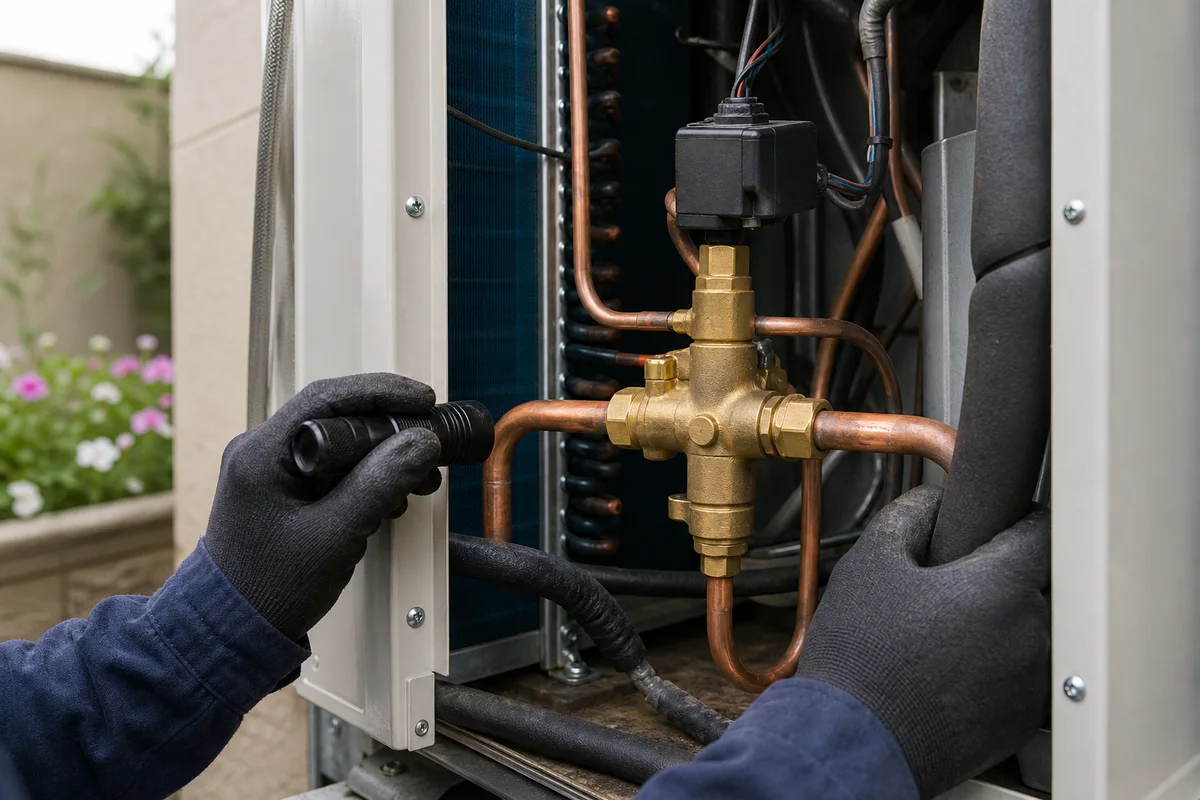
The core function is a reversed refrigerant cycle. The outdoor coil absorbs heat, the pump compresses the refrigerant and the indoor coil releases heat into the room as warm air.
How heat pumps function
Efficient transfer: A reverse cycle system pulls heat from outside and delivers it inside, so you get more usable heat per unit of electricity than resistive products.
That efficiency often means the pump uses three to four times less electricity than a simple resistance heater. The result is lower running costs and faster warm-up times.
What an inverter adds in heat mode
An inverter aircon lets the unit vary motor speed to match demand. Instead of switching on and off, it runs steadily at the right power level.
This reduces energy waste and gives finer temperature control so rooms feel consistently comfortable within minutes.
- A reverse cycle reverses cooling to extract outside heat.
- Inverter drives save electricity by modulating output.
- Heat pump mode reaches a target temperature faster than resistive methods.
Understanding these basics helps you compare aircon brands and choose the right solution for a Johannesburg home without confusion.
Why Aircon For Heating Suits Johannesburg Winters
When cold fronts hit the Highveld, you need a heating solution that responds fast. An air conditioner with reverse mode is well suited to dry, sharp winters in Sandton, Randburg and Roodepoort.
Fast warm-up and safe operation: Inverter units reach a comfortable temperature quickly. They avoid open flames and the fumes associated with gas heaters or oil radiators, so your home stays cleaner and safer.
- Residents in Sandton, Randburg and Roodepoort benefit from rapid warm-up times with inverter conditioning.
- Fourways, Midrand and the CBD can save on electricity by choosing a heat pump over resistive heaters.
- One system handles summer cooling and winter heat, ideal for properties across JHB South.
Practical advantages: Modern products cut energy use and reduce maintenance compared with gas bottles or oil units. We recommend using our quote process to match unit size to room space and to confirm likely running costs.

Running heat mode day to day
Select the sun icon on the mode button and allow the unit to reach the desired temperature. Use the remote control to set the heat mode and the inverter setting if available. This keeps output steady and saves energy while the room warms.
Managing defrost cycles
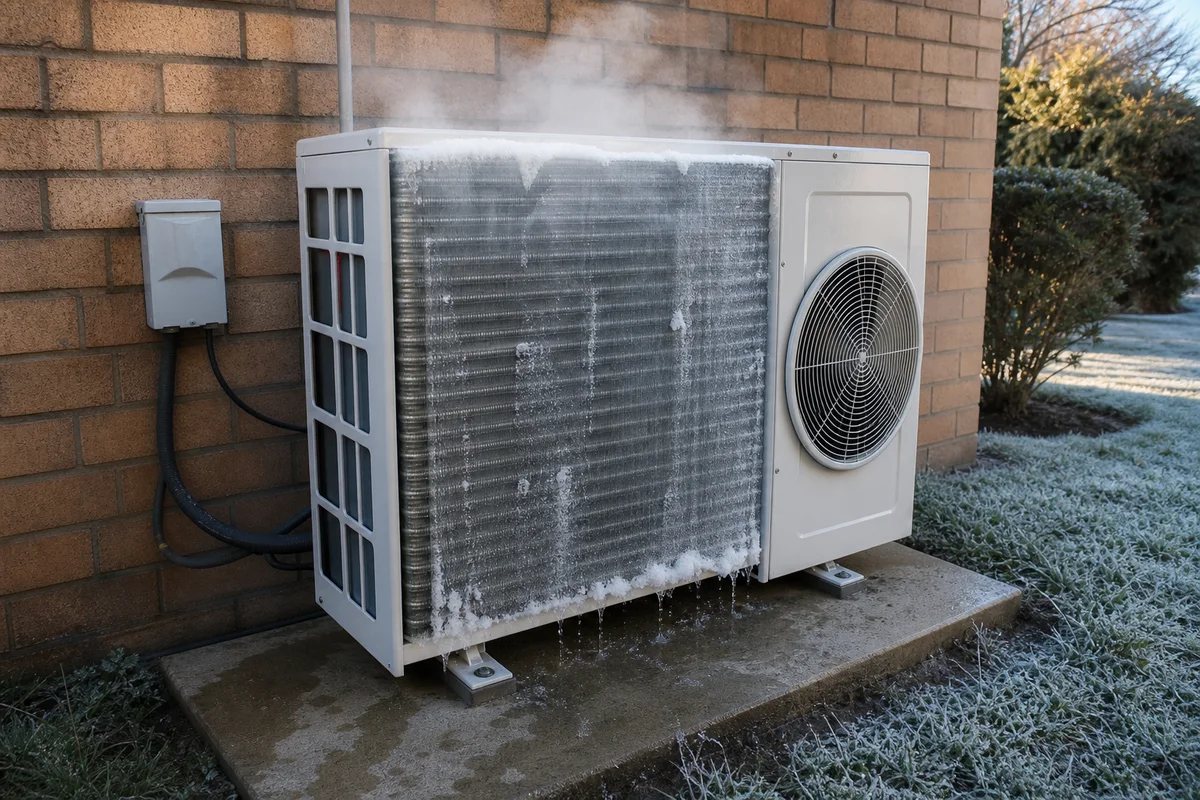
The defrost function runs automatically when frost forms on the outdoor coil. It typically lasts 5 to 12 minutes. During this time the indoor display may show ‘df’.
It is normal for warm air to pause during defrost. The unit does this to avoid blowing cold air into your home while the outdoor exchanger clears.
Quick checklist
- Use the remote control and press the mode button (sun icon) to begin heat mode.
- When outdoor temperature is low, expect a 5-12 minutes defrost cycle; the ‘df’ indicator will appear.
- Do not change settings while defrost runs - let the system complete its function.
- Regular maintenance keeps units efficient and quiet overnight.
| State | What happens | User action | Tip |
|---|---|---|---|
| Normal heat mode | Steady delivery of warm air | Set desired temperature; use inverter if present | Keep doors closed for faster warm-up |
| Defrost cycle (5-12 mins) | Warm air pauses; ‘df’ shows on display | Wait until cycle ends; avoid changing mode | Expect brief cold gusts if doors open |
| Low outdoor temps | System may cycle more frequently | Allow longer run times for steady comfort | Schedule service checks before winter |
Heat pump, gas or electric on the Highveld
Choosing the right winter heating option in Johannesburg means balancing running costs, safety and room size. This short guide compares common choices so you can decide with confidence.
Energy Efficiency Metrics
Reverse-cycle systems use 50-70% less energy than electric panel heaters or oil-filled radiators. The COP (coefficient of performance) shows how much heat energy a unit delivers per unit of electricity.
Safety Considerations
Heat pumps remove open flames and the carbon monoxide risk linked to gas heaters. They also filter the air while delivering steady temperature across the room.
Cost Analysis
Purchase and install costs vary by unit size, BTU, access and brand. Long-term electricity savings often offset higher upfront prices for a heat pump.
- Reverse-cycle is usually cheapest to run in the Highveld climate.
- Gas heaters need ventilation and regular checks; electric oil heaters are safer but less efficient.
- Use our quote process to compare parts, labour and likely running costs for your space.
| Method | Running cost | Safety | Notes |
|---|---|---|---|
| Reverse-cycle (heat pump) | Low (50-70% less than resistive) | High - no open flame, no CO risk | Good for whole-room temperature control; inverter models save more energy |
| Electric panel / oil radiator | High | Medium - no combustion risk | Simple install, slower warm-up, higher electricity use |
| Gas heater / gas heaters | Variable | Lower - requires ventilation, CO checks | Can be cheaper upfront but needs safe installation and servicing |

Checks to run before you upgrade
A quick check of the remote control often tells you if your unit can switch from cooling to heat mode. Look for a sun icon or a labelled heating mode button on the remote control. If you see one, the air conditioner likely supports reverse cycle and a heat pump function.
If the remote shows only cool settings your current conditioner may be cooling-only. In that case you will need a reverse-cycle split installation to gain reliable heat. Older units, especially legacy conditioners, often lack inverter control and heat mode.
Have a professional assess your home before buying. A technician will confirm that your electrical supply, wall access and outdoor condenser suit a new unit. Correct sizing matters - an oversized or undersized unit wastes energy and gives poor temperature control.
- Verify the remote control for a mode button or sun icon.
- Compare existing units to modern inverter heat pump models if you use oil or gas heaters.
- Use our quote process to contact contractors who can check wiring, access and installation time.
| Check | Why it matters | User action |
|---|---|---|
| Remote mode/button | Confirms reverse cycle | Check for sun icon or heat mode |
| Electrical supply | Stable power avoids faults | Ask an electrician if supply is adequate |
| Room size & access | Ensures correct unit sizing | Have a professional measure the space |
Getting a professional to confirm the job
Choosing the right system for your home helps you get the right heat, avoid oversizing and keep running costs low. A professional check will confirm unit size, access, electrical supply and the best mode to use.
Our platform links you to independent contractors who know air conditioning, conditioning modes and the details of air conditioner heating or aircon heating. They can compare products and advise on cooling, defects or fault symptoms and on whether new or existing systems suit your rooms.
Use our quote process at airconditioning-johannesburg.co.za to request up to 3 quotes (or up to 5 where available). Click the button on the site to start. We only facilitate connections; contractors handle the installation, repairs, parts, labour and warranties.
FAQ
What does “reverse-cycle” mean when using your aircon for heating in winter?
Reverse-cycle systems are heat pumps that move heat from outside to inside. In winter the unit extracts heat from outdoor air, compresses it, then delivers warm air into your room. This is more efficient than resistive electric heaters and works well in Johannesburg’s milder winter temperatures.
How do heat pumps function to heat a room?
A heat pump circulates refrigerant through an outdoor and indoor coil. The outdoor coil absorbs heat, the compressor raises the refrigerant’s temperature and pressure, and the indoor coil releases warm air. The system reverses for cooling in summer, so one unit handles both needs.
What is inverter technology and why does it matter?
Inverter systems vary the compressor speed to match the room’s heating demand. That reduces temperature swings, saves electricity, and extends component life. For Johannesburg homes, an inverter unit often gives better comfort and lower running costs than fixed-speed models.
Why is using an aircon for heating suitable for Johannesburg winters?
Johannesburg typically has cool but dry winters rather than prolonged severe cold. Heat pumps perform efficiently in these conditions, providing reliable warmth, fast response, and lower operational cost compared with gas or oil heaters in many settings.
How should I operate my unit to maximise warmth and efficiency?
Set the desired temperature and leave the system to maintain it rather than switching frequently. Use the thermostat timer and night mode where available, close windows and doors, and ensure curtains or blinds are closed at night to retain heat. Regular filter cleaning helps airflow and efficiency.
What are defrost cycles and how do they affect heating?
When outdoor temperatures are low and humidity condenses on the outdoor coil, the unit periodically switches to defrost mode. This momentarily reduces warm-air output while ice melts. Modern units keep defrost periods short; proper positioning and maintenance minimise their impact.
How do heat pumps compare with other heating methods for Highveld homes?
Heat pumps generally deliver more heat per unit of electricity than pure electric heaters, often reducing running costs. They avoid combustion risks of gas heaters and the frequent maintenance of oil heaters. However, initial purchase and installation can be higher, and performance drops in extreme cold compared with dedicated high-capacity systems.
What energy-efficiency metrics should I look at when choosing a unit?
Check the coefficient of performance (COP) for heating, seasonal energy efficiency (if available), and the inverter rating. A higher COP means more heat delivered per kW of electricity. Compare rated output (kW) against your room size to ensure appropriate sizing.
What safety considerations apply when using a heat pump for home heating?
Heat pumps avoid open flames and combustion gases, lowering carbon-monoxide risk. Still ensure electrical wiring and circuit protection are correct, secure outdoor unit placement to prevent obstruction, and service the unit regularly to reduce faults and refrigerant leaks.
How do running costs typically compare between heat pumps and gas or oil heaters?
Running costs depend on appliance efficiency, fuel and electricity prices, and insulation. In many Johannesburg cases, an efficient inverter heat pump costs less to run than older electric or portable oil heaters and can be competitive with gas when factoring installation, ventilation and safety requirements.
What essential checks should I perform before upgrading my unit?
Measure room size and ceiling height to calculate required kW output. Check existing electrical supply and circuit capacity, outdoor unit location and clearance, and whether ducting or wall-mounting suits your room. Also review warranty terms, service access and the unit’s energy ratings.
When should I call a professional for climate control support?
Request a contractor for system sizing, electrical upgrades, complex installations, refrigerant handling and warranty work. If you see reduced heating output, strange noises, frequent cycling, or increased bills, get a qualified technician to diagnose and quote for repairs or replacement.
How many quotes can I request through the platform for installation or servicing?
You may request up to three independent quotes, or up to five where available. Independent contractors provide sizing, installation timelines, parts, labour and warranty details. Compare written quotes for scope, access requirements and exclusions before deciding.
Ready to request quotes?
Submit a request and independent local air conditioning installers in Gauteng may respond with their availability and pricing. No obligation to accept any quote.
Request Free Quotes