Aircon Installation Johannesburg
Compare quotes from independent Johannesburg technicians for correctly sized aircon installation.
Independent quote comparison across Gauteng

Free. No sign-up. No obligation to accept any quote.

11 min read
Quick answerA split or mid-wall aircon pairs one indoor wall unit with an outdoor condenser to cool a single room. Matching BTU to room size - about 9 000 BTU for a small bedroom up to 24 000 BTU for open-plan areas - keeps it efficient and quiet.
Split and mid-wall aircon installation pairs an indoor wall unit with an outdoor condenser to cool a single room or office - the most popular way to keep a Sandton home or workplace calm on a 35°C afternoon.
At airconditioning-johannesburg.co.za we connect you with independent contractors across Sandton, Randburg, Roodepoort, Fourways, Midrand, the CBD and JHB South.
Our guide explains the basics of split aircon installation and how to compare quotes and typical prices for proper sizing, energy use and access needs.
Residents and managers can see local installations, weigh up a full aircon installation service, and check warranties before committing.
Proper selection makes a real difference to comfort and bills through the year in South Africa’s shifting climate.
We provide clear steps so you can request up to three quotes - or up to five where available - and choose skilled contractors who meet safety and performance standards.
Table of contents
Start by matching room needs to unit capacity. Check the floor area, ceiling height and how much sun the room gets. These factors determine the correct btu sizing and whether a 9000 or 18000 btu unit fits best.
Mid-wall systems are one of several aircon types you can choose from, pairing an indoor wall unit with an outdoor condenser via refrigerant piping. This layout suits most homes and small offices in Johannesburg because it keeps the indoor footprint small and delivers targeted cooling and heating.
Position the indoor unit on a solid wall with clear airflow and easy service access. Allow 150-300 mm clearance above and good space below for air movement. A standard back setup offers a 12-month warranty-backed service on many 9000-18000 btu units.
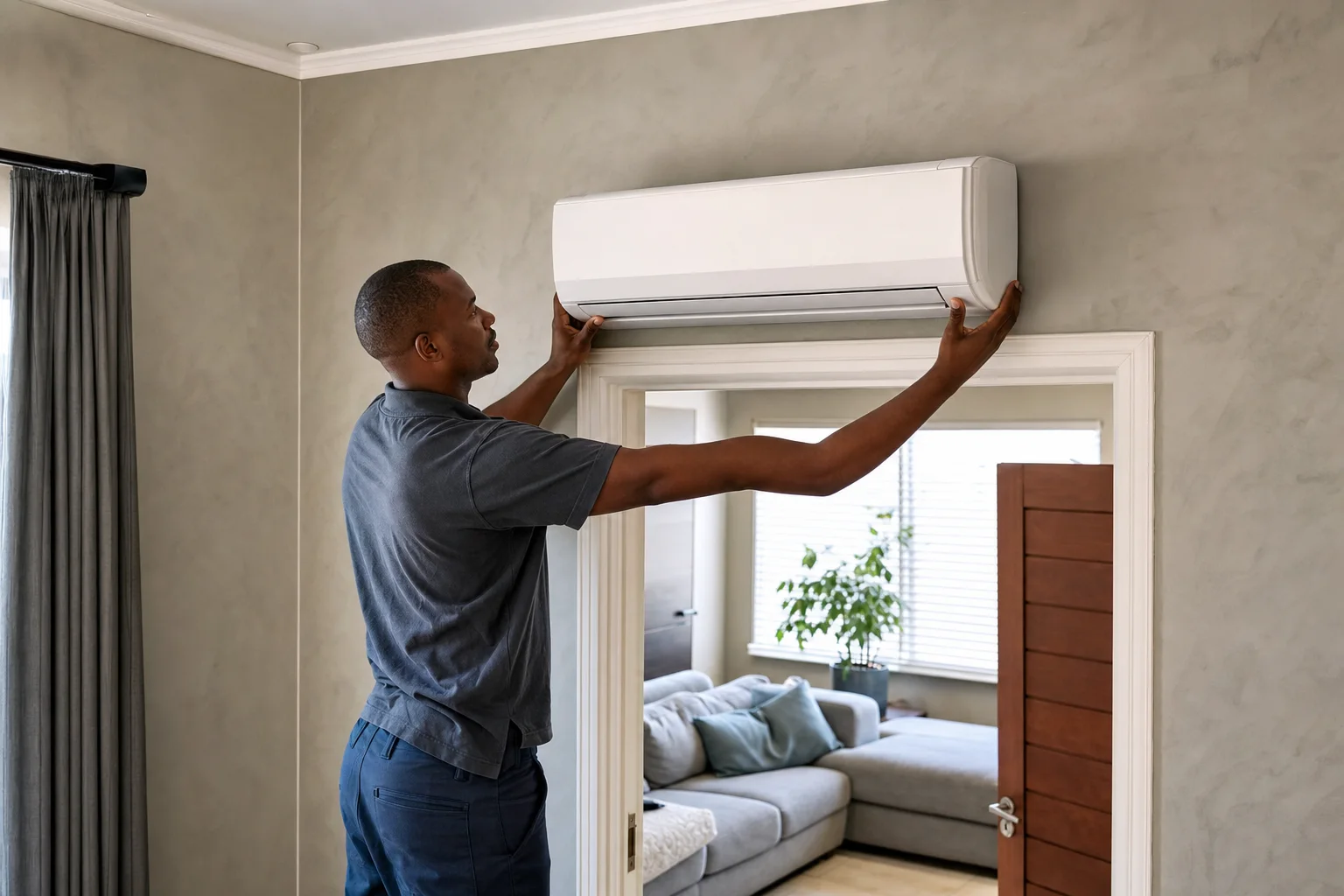
Most modern units use inverter compressor control, and a dedicated inverter aircon installation reduces power spikes and keeps temperature steady, cutting energy use and noise.
| Feature | Typical Range | Why it matters |
|---|---|---|
| Capacity (BTU) | 9000 - 18000 | Matches room size; prevents short-cycling or wasted energy |
| Warranty / Service | Back setup 12-month | Provides peace of mind and basic coverage for parts and labour |
| Technology | Inverter models | Improved efficiency, quieter operation and better temperature control |
| Popular series | White RAS | Good personal cooling; widely available with local deals |
Choose locations that let air move freely so your room cools evenly and the system runs efficiently.
Position the indoor air conditioner centrally where possible. That helps circulation and reduces hot spots.
Make sure the wall can bear the unit’s weight and leave room for future service. Standard packages include 1 metre of copper piping and wall mounting brackets.

“A well-sited unit saves energy and extends equipment life.”
| Item | Standard | Why it matters |
|---|---|---|
| Copper piping | 1 metre included | Reduces extra cost for short runs |
| Outdoor unit clearance | Minimum 300 mm each side | Ensures good airflow and heat dissipation |
| Warranty | Back setup 12-month | Basic cover for parts and service |
Use our platform to compare inverter models for personal cooling and to explore installation options for your split air setup.
Correct BTU sizing starts by working out what size aircon you need: area, occupants and sun load. Small bedrooms often need 9000 BTU units. Larger living areas and open-plan offices may require 18000 or 24000 BTU to deliver even cooling.
Why size matters: an undersized air conditioner will run constantly and raise energy bills. An oversized unit will short-cycle and wear the compressor faster. Match capacity to heat load for reliable cooling and longer equipment life.
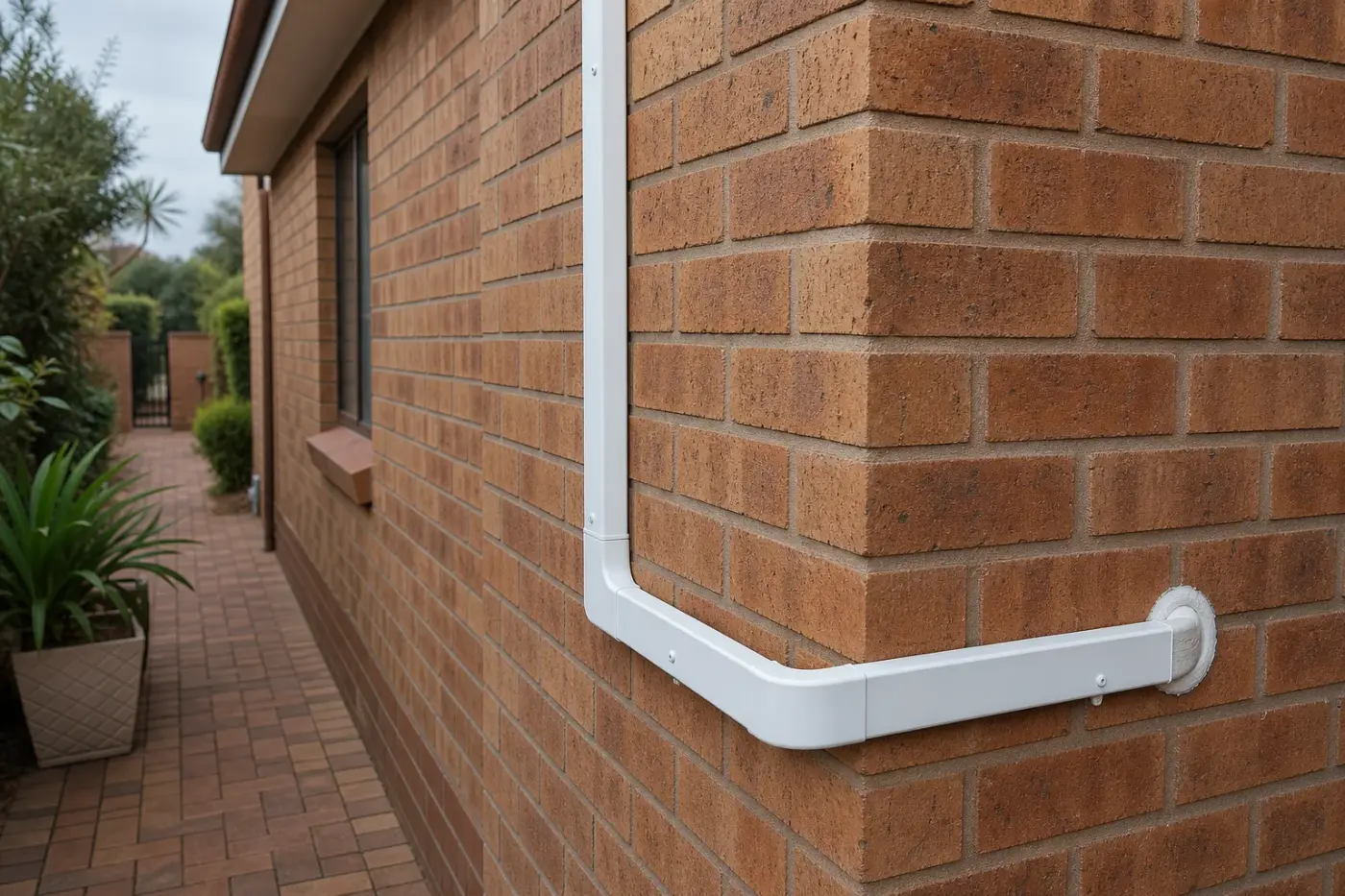
If gravity drainage is not possible, plan for a condensate pump (approx. R2 750) to avoid leaks and service calls. Also check your quote for back setup 12-month warranty details and any extra costs for long pipe runs or tough access.
“Proper sizing prevents short-cycling and protects the compressor.”
| Decision factor | Typical guidance | Why it matters |
|---|---|---|
| Room size | Small: 9000-12000, Medium: 12000-18000, Large: 18000-24000 | Ensures adequate cooling without excess energy use |
| Heat load | High sun or many occupants → add capacity | Prevents underperformance during peak heat |
| Piping & connection | Short runs standard; long runs add cost | Affects efficiency and may need stronger connection work |
| Accessories | Condensate pump: R2 750 | Needed when gravity drainage isn’t available |
| Warranty & service | Check back setup 12-month coverage | Covers faults and basic servicing in the first year |
Good workmanship and correct certification keep your system safe and the warranty valid.
SAQCC gas compliance is mandatory. Always ask a contractor for the written certificate before work starts.
Ensuring your contractor provides SAQCC gas compliance is essential for safety and legal validity. A certified expert will handle refrigerant piping and the required gas checks.
A qualified expert follows manufacturer instructions for electrical connection, piping runs and mounting. This keeps your warranty intact and reduces future faults.
“Certified workmanship protects your investment and keeps systems running longer.”
| Item | Why it matters | Tip |
|---|---|---|
| Certification | Legal and safety compliance | Ask for SAQCC proof |
| Workmanship | Prevents leaks and faults | Hire a qualified expert |
| Warranty | Repairs covered if rules followed | Keep manufacturer docs |
Use our platform to collect clear, comparable quotes from independent contractors. Our quote process lets you request up to three proposals, or up to five where available, so you can compare pricing and scope quickly. If you need several rooms cooled at once, ask contractors to price a multi-split system that runs multiple indoor units off one outdoor condenser.
Through our quote process you can check costs for 24000 btu setups and common 18000 btu units. Note that a transport fee of R14/km applies outside the standard 30-40 km service radius.
We make it easy to see which quotes include a standard back setup and which list extras for piping, electrical work or long runs. That helps you spot hidden charges before you book an installation service.
“Comparing multiple quotes ensures you understand all costs and choose a fair, professional installation.”
Confirm quotes and warranty terms so you choose an air conditioner that fits your room and budget.
Check that your chosen 24000 btu or 18000 btu unit will be fitted to the manufacturer’s instructions. This protects the 12-month workmanship warranty and keeps performance steady for cooling heating needs.
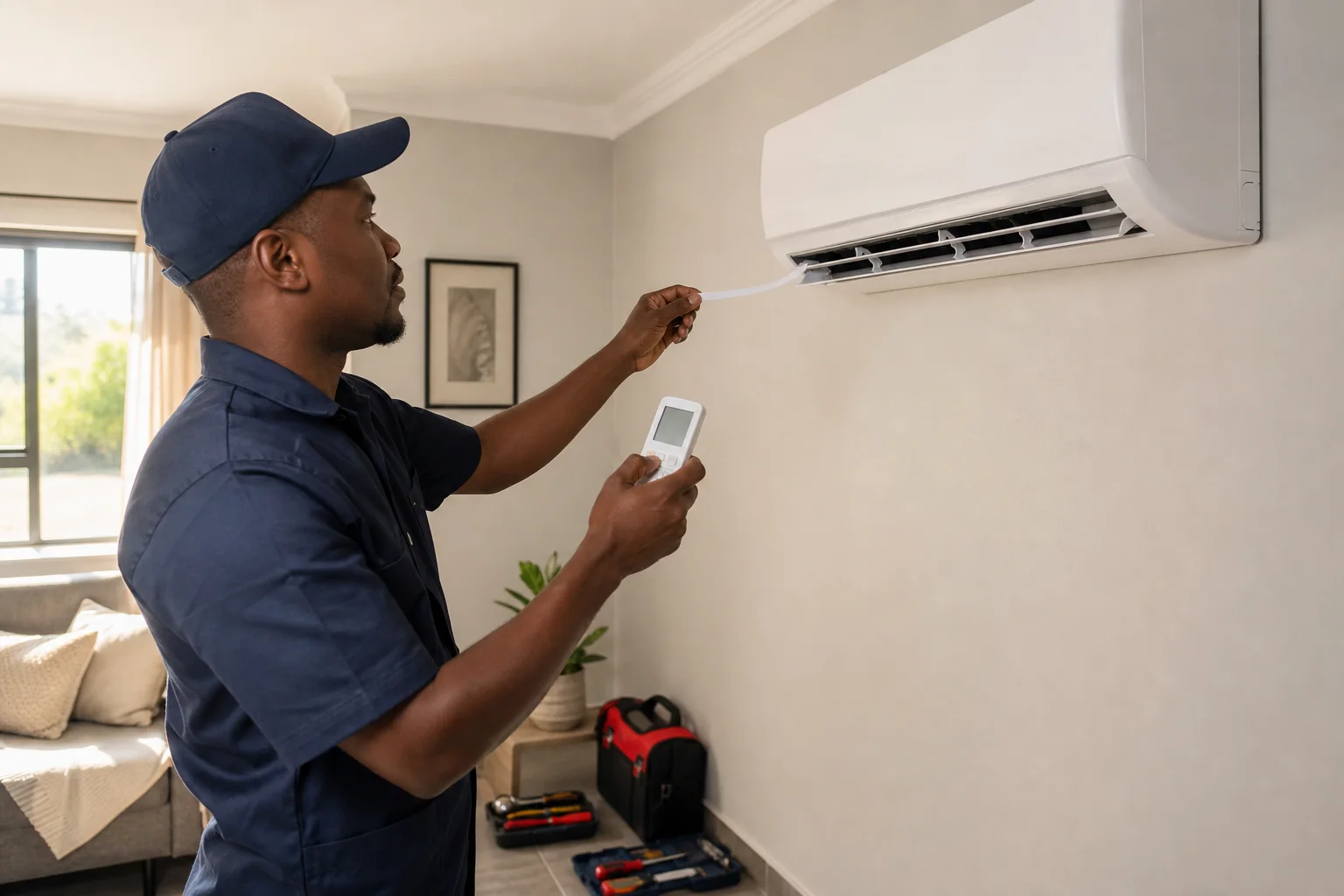
Use our platform to compare the full aircon service range, verify an expert’s credentials, and review workmanship and warranty details before you commit.
Visit airconditioning-johannesburg.co.za to request quotes from independent contractors and take the final step toward reliable, energy-wise comfort in your home or workplace.
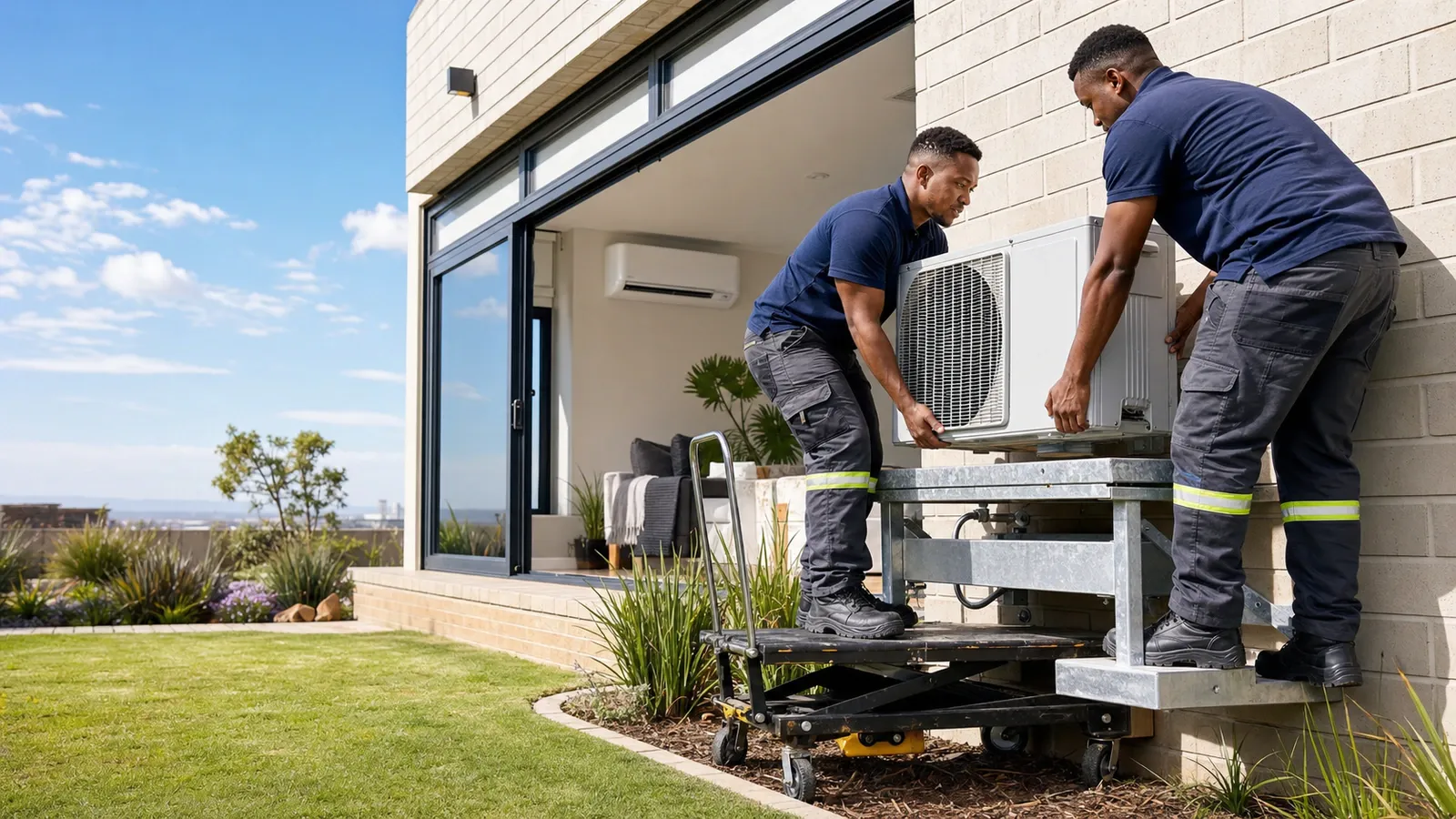
Mid-wall split system installation typically includes mounting the indoor unit on a suitable internal wall, fixing the outdoor unit on a balcony, bracket or ground pad, routing refrigerant piping, electrical connection and a condensate drain. A contractor will assess access, wall construction, and cable runs before quoting. You can request up to three quotes (or up to five where available) through our platform to compare scope, timelines and prices.
Consider room size, ceiling height, glazing and sun exposure. Smaller living rooms or bedrooms often suit 9 000 BTU to 12 000 BTU units, while larger lounges or open-plan spaces need 18 000 BTU or 24 000 BTU options. An installer will calculate cooling and heating load and confirm the correct capacity for comfort and efficiency.
Inverter-driven systems vary compressor speed to meet demand, which reduces energy use, keeps temperature steady and prolongs compressor life. For Johannesburg properties with variable occupancy, an inverter model can cut operating costs and provide quieter, more consistent comfort than fixed-speed systems.
Place the indoor unit on an internal wall away from direct sunlight and heat sources, with clear airflow across the room. The outdoor unit needs firm, level support and good airflow clearance - ideally on a shaded balcony, bracket or concrete pad. Avoid tight cupboards, direct sun, or locations with obstructed ventilation.
Provide unobstructed access to the chosen internal wall and the outdoor unit location. Ensure a power supply is nearby or discuss electrical upgrades with your installer. If holes through brick or block walls are needed, confirm penetrations and flashing details beforehand. Clear furniture and cover valuables to limit dust.
Capacity depends on room square metreage, insulation, number of occupants and sun exposure. Typical guides: 9 000 BTU for small bedrooms, 12 000 BTU for medium rooms, 18 000 BTU for larger living spaces and 24 000 BTU for very large or open-plan areas. Always have a professional load calculation for precise sizing.
Look for contractors who comply with SAQCC gas registration and local electrical regulations. Ask for a written scope of work, a 12‑month workmanship warranty and clear manufacturer warranty details for the unit. Confirm who handles warranty claims and whether the installer offers commissioning and test reports.
Reputable quotes should include refrigerant charging, pressure testing, leak detection and documentation of gas work to SAQCC standards where applicable. These checks ensure the system operates safely and meets compliance requirements in South African installations.
Manufacturer warranties vary by brand and model; common cover ranges from 1 to 5 years for parts and longer for the compressor on select models. Installers should also offer a 12‑month workmanship warranty. Compare written warranty terms closely when reviewing quotes.
Compare scope of work, unit make and model, BTU capacity, inverter specification, warranty terms, SAQCC compliance, included materials (piping length, insulation, isolator switch) and labour. Check reviews, ask about commissioning, and confirm start dates and payment terms before accepting an offer.
Yes. Independent contractors on the platform typically service popular capacities including 9 000, 12 000, 18 000 and 24 000 BTU units. Routine servicing includes filter cleaning, coil checks, refrigerant level inspection and electrical safety tests to maintain efficiency and prolong lifespan.
Ensure the quote lists unit make and model, exact BTU rating, inverter or fixed-speed type, inclusions (piping length, outdoor bracket, isolator), labour hours, SAQCC compliance, warranty periods and acceptance terms. Confirm who manages permits, commissioning and warranty claims.
Most domestic mid-wall installs complete within a day if access is straightforward and no electrical upgrades are needed. Complex sites, multiple units or structural work can extend timelines. Contractors will provide estimated start and completion times in their quotes.
Electricity use depends on unit efficiency (EER/SEER), capacity and usage patterns. Choose an inverter-rated unit, set modest temperature differentials, improve insulation and use timers or smart controls. Regular servicing preserves efficiency and prevents excessive energy draw.
The platform connects you to independent contractors who can recommend brands and models suited to your room size, budget and energy goals. You may request up to three quotes, or up to five where available, to compare options and supplier recommendations before deciding.
Installation choices
Model availability varies by provider.



At a glance
Pricing depends on scope, prep work and access. Submit a request to get indicative figures from independent local air conditioning installers.
Request Free QuotesRelated services
Compare quotes from independent Johannesburg technicians for correctly sized aircon installation.
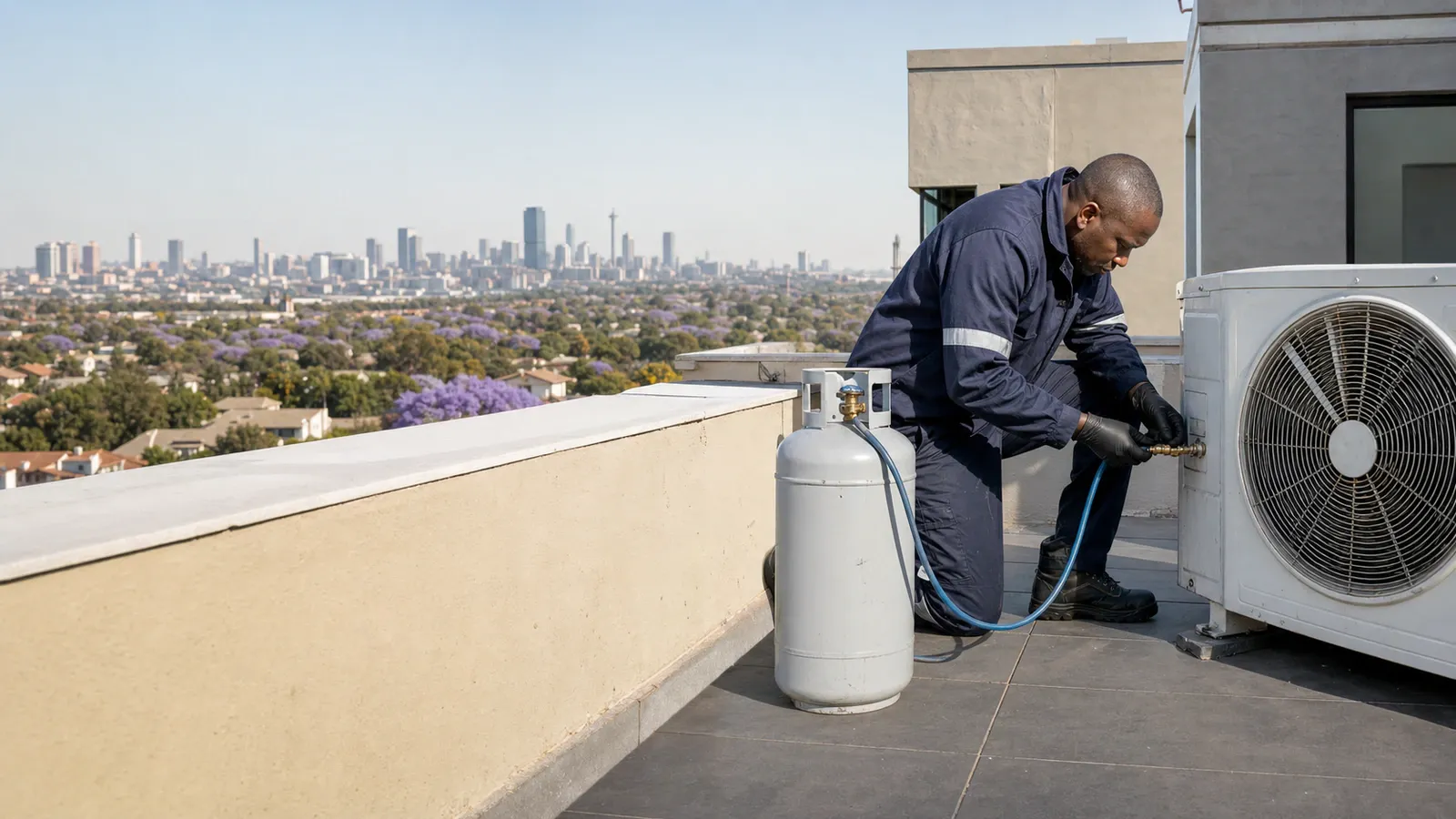
Compare quotes from independent Johannesburg technicians for aircon regas, leak detection and refrigerant top-ups.

Compare written quotes from independent aircon repair technicians across Johannesburg.
Submit your request and independent local air conditioning installers in Gauteng may respond with their availability and pricing. No obligation to accept any quote.
Air Conditioning Johannesburg uses essential cookies to run the site and, with your consent, anonymous analytics to improve it. See our Cookie Policy.