Aircon Installation Johannesburg
Compare quotes from independent Johannesburg technicians for correctly sized aircon installation.
Independent quote comparison across Gauteng

Free. No sign-up. No obligation to accept any quote.
13 min read
Quick answerDucted air conditioning hides a central unit above the ceiling and delivers even, zoned cooling and heating through concealed ducts, suiting larger Johannesburg homes and offices. It needs enough ceiling-void depth and a professional load calculation. Our platform gathers up to five quotes.
Ducted air conditioning hides the equipment above your ceiling and delivers even, whole-home cooling and heating through a concealed network of ducts, making it a strong choice for larger Johannesburg homes and offices.
Our platform at airconditioning-johannesburg.co.za helps you navigate ducted air conditioning for homes and commercial premises across Sandton, Randburg, Roodepoort, Fourways, Midrand, the CBD and JHB South.
We explain how a well-designed system gives even air distribution across rooms and large spaces. That clarity helps you weigh energy use, airflow, heating and cooling needs before you request quotes.
Whether you are comparing units, checking ducts or learning about efficiency, our local guidance spans the full spread of aircon services and connects you with independent contractors who understand Johannesburg layouts and climate control demands.
Start with clear facts about system design, access and likely running costs, then compare ducted aircon prices and request up to three quotes (or up to five where available) to find the right choice for your home or property.
Table of contents
Understanding how a hidden system moves cooled or heated air helps you judge access, cost and maintenance.
The system captures indoor air, cools or heats it, then sends conditioned air through a concealed network of ducts. A central thermostat regulates temperature so you can set consistent comfort across rooms and living areas.
The internal unit is usually placed above a false ceiling in hallways or near bathrooms to allow straightforward maintenance. Technicians avoid installing it in private bedrooms for access and noise reasons.
“Automated dampers let the system direct flow to zones you use, improving comfort and reducing energy waste.”
Regular servicing by an accredited technical team keeps performance high and helps balance aesthetic appeal with reliable climate control for Johannesburg homes and buildings.
Before you plan installation, a simple feasibility review identifies whether your property has the space and structure needed for a central system.
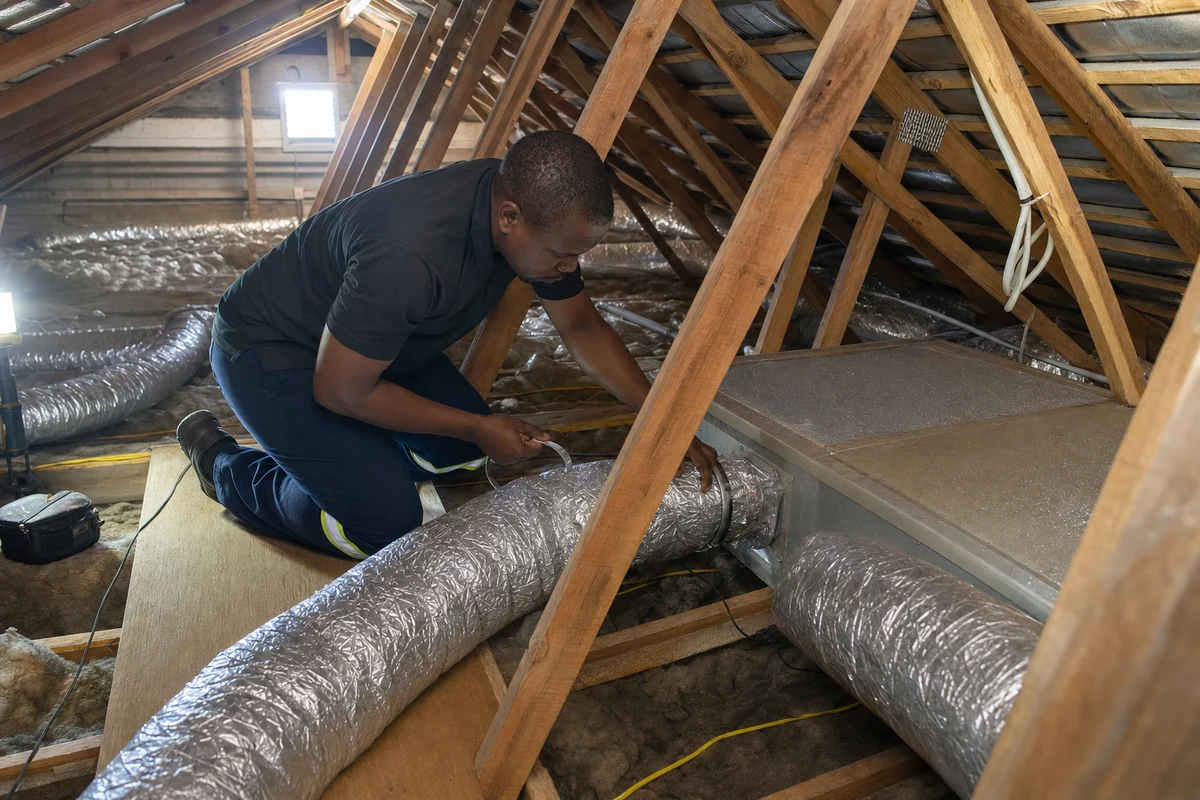
Begin with a site inspection to measure ceiling void depth and roof access. This shows if a concealed unit and runs of ductwork fit without major alterations.
Key checks:
Daikin units, for example, range from 12 000 to 60 000 BTU/h. Matching unit capacity to room volume prevents uneven cooling and wasted energy. Zoning helps you control temperature in different areas independently.
“A professional load calculation and roof/ceiling check avoid costly surprises during installation.”
| Unit capacity (BTU/h) | Typical property size | Notes |
|---|---|---|
| 12 000 | Single rooms / small flats | Suitable for individual room volume checks |
| 30 000 | Medium homes / open-plan areas | Best with zoned control and good insulation |
| 60 000 | Large homes / multiple rooms | Requires substantial ceiling void and professional design |
We guide you to independent contractors who can perform load calculations and confirm whether ceilings and ducts meet installation needs. Early checks save time and cost on your project in Johannesburg.
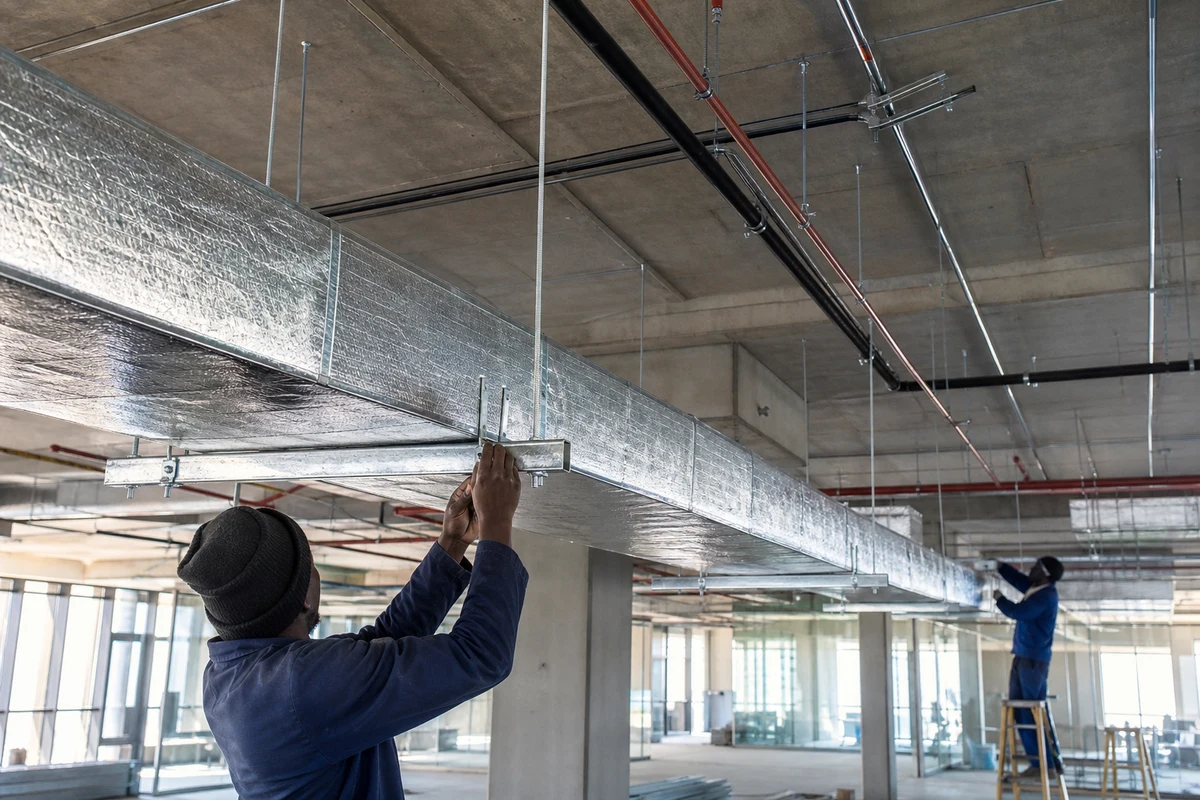
Centralised cooling gives a steady, house‑wide temperature that removes hotspots and chilly drafts. You get consistent temperature control across rooms and larger open areas, which makes daily life more comfortable.
Smart zoning reduces wasted energy by cooling only occupied spaces. That lowers energy consumption and improves overall energy efficiency for your home.
These systems stay out of sight. The main units and ducts are hidden, so you keep clean interior lines while benefiting from high performance and quiet operation.
“Programmable thermostats and zoned control let you tailor comfort to how your household lives through the year.”
For larger Johannesburg homes, central systems often outperform multiple wall units in both airflow and temperature stability. This can add lasting value to your property.
| Benefit | What it means | Practical result |
|---|---|---|
| Even air distribution | Consistent flow to rooms and areas | Fewer hot spots; steady temperature |
| Energy efficiency | Zoning and smart controls | Lower energy consumption and bills |
| Low visual impact | Hidden units and discreet vents | Preserved interior design |
| Quiet operation | Central unit sited away from bedrooms | Improved sleep and comfort |
Start by weighing space constraints and aesthetics when selecting a climate solution for your Johannesburg property.
When you compare a ducted air conditioning system with a multi‑split setup, ceiling void depth is often decisive. Multi‑split units work well where there’s no room for a full network of ducts.
Multi‑split systems let you fit separate units to individual rooms. They suit older houses or flats where major ceilings work is impractical.
Whole‑home systems typically deliver steadier air distribution and can be more efficient in large homes. They need space within walls and ceilings for a network of ducts.
Cassette units are a practical choice for many commercial buildings and open areas. They avoid extensive ceiling runs but require a suspended ceiling and professional siting.
“A proper layout check and load calculation reveal which solution gives the best temperature control and lower energy bills.”
| Option | Best for | Key trade‑offs |
|---|---|---|
| Whole‑home system | Large homes / open plans | Even air distribution; higher initial cost and ceiling space needed |
| Multi‑split | Smaller homes / renovations | Lower install disruption; less consistent temperature across rooms |
| Cassette units | Commercial spaces / shops | Good for ceilings with limited cavity depth; needs false ceiling |
Project cost hinges on the unit type, site access and the size of rooms needing climate control.
Key cost drivers include the brand of the unit, required BTU capacity, and the physical access to ceilings and ducts. A professional assessment is essential to size the system correctly and avoid overspending on an oversized unit.
Labour rates, parts availability in Johannesburg and any prior fault history affect quotes. Urgent work or difficult site access will raise labour costs and can lengthen timelines.
“Request multiple written quotes to compare how contractors price unit supply, installation, parts and labour.”
| Cost element | What to check | Typical impact |
|---|---|---|
| Unit and brand | Capacity, warranty, efficiency | Major portion of capital cost; affects performance |
| Installation | Access, ceiling work, duct runs | Varies widely by property; can double labour time |
| Parts & maintenance | Spare availability, service intervals | Influences long‑term running costs and downtime |
| Taxes & urgency | 15% VAT, emergency call‑outs | Fixed tax load; urgency raises final quote |
We recommend requesting up to three written quotes (or up to five where available) through our platform to compare offers and make an informed choice for your Johannesburg home.
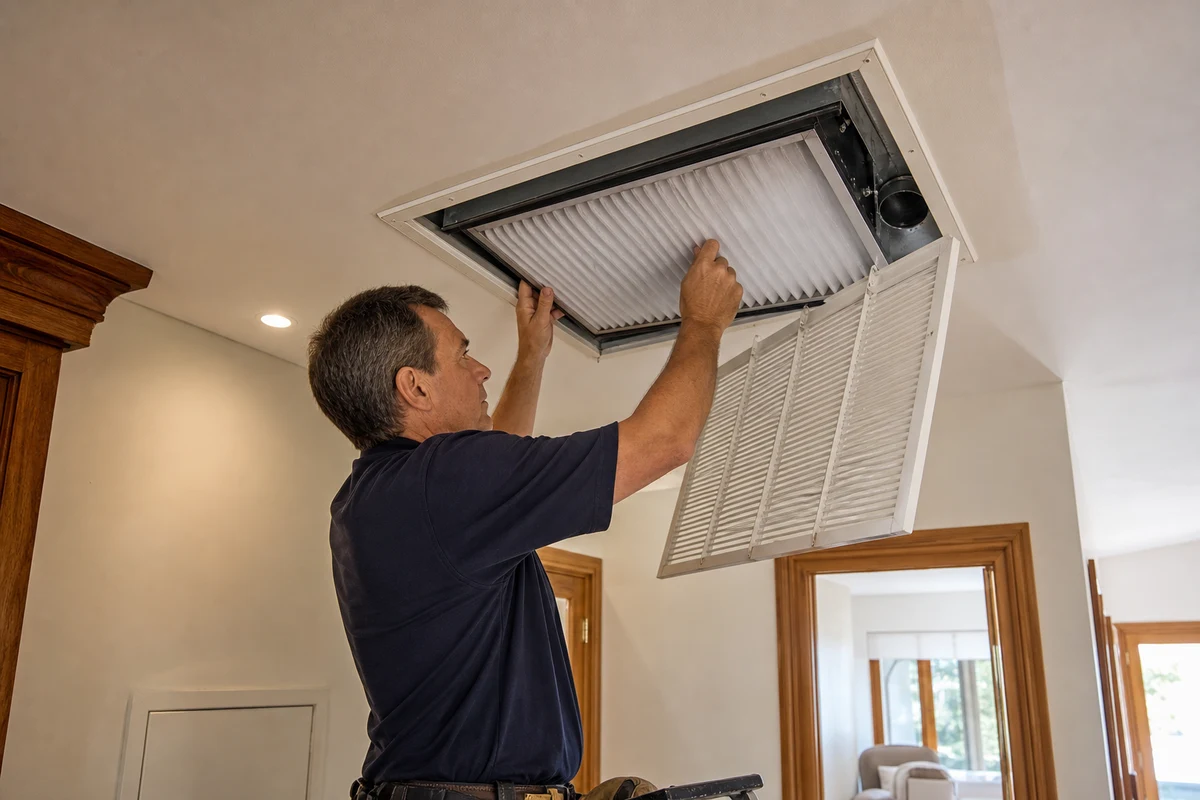
A proper air conditioning system begins with a professional load calculation tailored to your Johannesburg property.
A qualified designer checks room size, wall orientation and insulation. They include occupancy, glazing and local solar gain to size the unit correctly.
Precise sizing stops short cycling. That reduces energy consumption and extends the life of the unit. It also improves control and keeps cooling and heating steady across rooms.
“Accurate design lets conditioned air reach every zone without drafts or hotspots.”
What to expect from technical design:
Ask contractors about their design process and the software they use. A correct design for buildings and spaces gives measurable efficiency gains and better long‑term comfort.
A correctly executed installation is the single best way to secure long‑term reliability and lower energy consumption.
Choosing a certified installer for your aircon installation helps protect the manufacturer’s compressor warranty - often up to five years on quality units - and makes sure your air conditioning system is set up correctly.
Professional teams verify unit sizing, seal duct runs and test for leaks. They commission the system so zones work as designed and every room reaches the right temperature.

Our platform connects you with local contractors in Johannesburg who understand workmanship and safety standards. Verify credentials, ask for references and request written commissioning reports.
“Quality installation prevents uneven heating or cooling and helps the system run with lower energy consumption.”
Investing in certified installation protects your investment, supports efficient operation of your systems and reduces the chance of faults in future.
If you’re ready to move from planning to action, local quotes make decisions simple. Visit airconditioning-johannesburg.co.za to review options and verify which system suits your home layout.
Our platform helps you compare offers, understand trade‑offs and choose the best option for your specific needs.
Request up to three written quotes, or up to five where available, so you can compare price, warranty and installer credentials. Independent contractors handle sizing, access checks and final installation.
Get ducted aircon quotes today to start improving comfort and efficiency in your Johannesburg home. We guide you through every stage so you feel confident in your final choice.
A central ducted system uses a single outdoor unit connected to an indoor fan coil that pushes conditioned air through a network of ducts to ceiling or wall vents. In Johannesburg, these systems deliver even temperature control across multiple rooms and hide equipment out of sight. Proper insulation, correct duct layout and a right-sized unit are essential for efficient performance.
You need sufficient void height and clear access routes for the trunk duct, branch runs and insulation. Typical installations require a continuous ceiling void, attic access or sealed bulkhead space. A site survey from a qualified contractor will check joist spacing, insulation, ceiling type and any obstacles like steel beams or services before confirming feasibility.
Technical design uses a room-by-room heat load calculation that accounts for floor area, ceiling height, glazing, occupancy and local climate. Contractors use recognised software or manual methods to recommend the correct capacity so the system neither short-cycles nor runs inefficiently. Request a written load report with your quote.
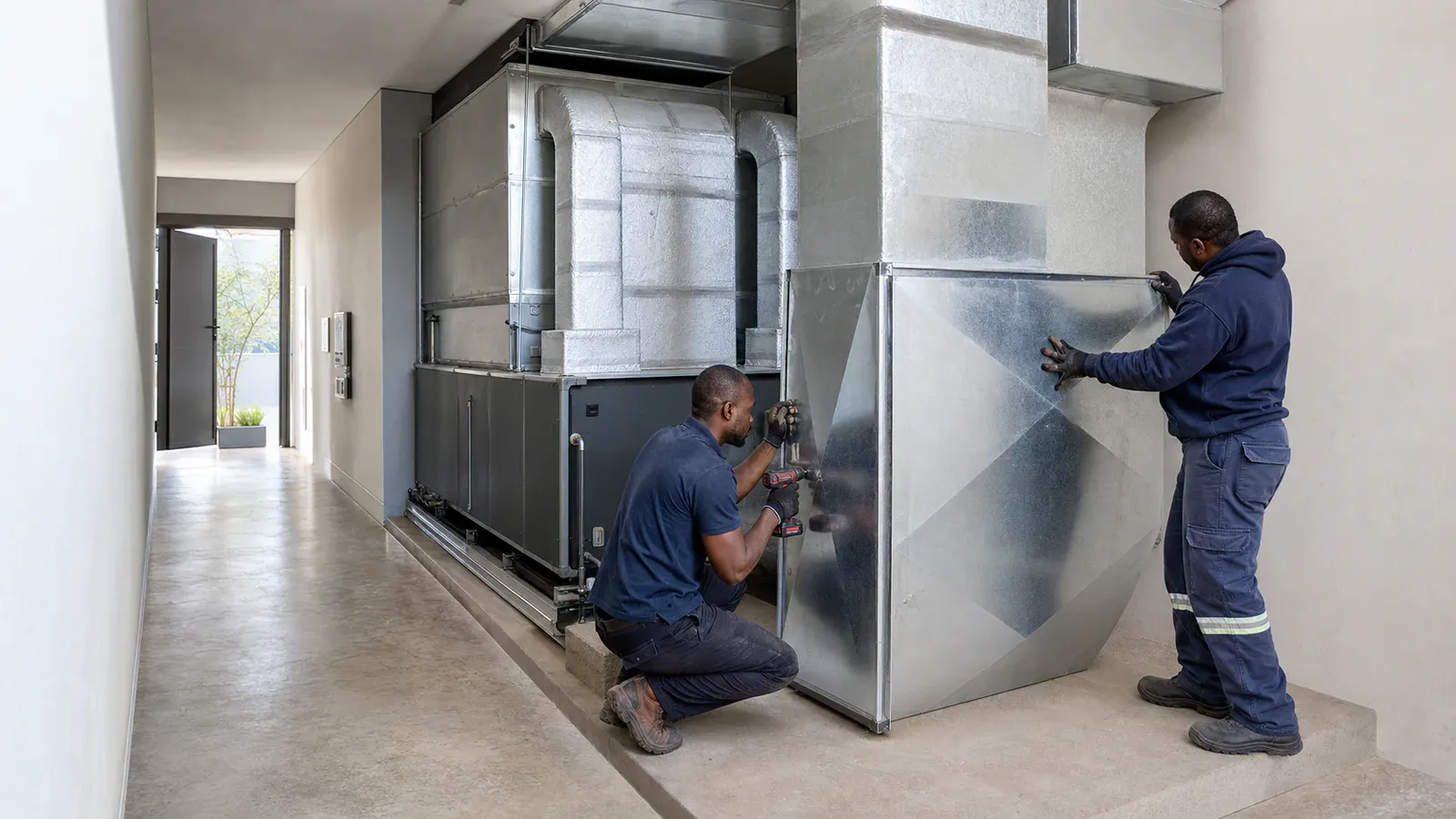
The core items are the outdoor condenser, indoor fan coil, insulated trunk and branch ducts, supply and return grilles, condensate drain and controls. Good systems include accessible inspection panels, balancing dampers and quality insulation to reduce heat gain and noise. Certified installers will specify materials and locations on your plan.
Compared with other aircon types, a centralised system provides whole-home zoning with a single plant and concealed outlets, offering neater aesthetics and stable temperatures for many rooms. Multi-split systems connect several wall-mounted or cassette units to one outdoor unit and suit retrofits or where ceiling space is limited. Cassettes work well in open-plan areas but need visible ceiling panels. Choice depends on ceiling access, budget, noise preferences and energy goals.
Efficiency depends on correct sizing, inverter technology, duct sealing and insulation, plus good thermostatic control. Look for high SEER or star-rated units and ensure ducts are sealed and insulated to reduce losses. Regular servicing and programmed zoning reduce energy use. Contractors can provide estimated consumption figures for comparison.
Watch for weak airflow at vents, uneven room temperatures, strange noises from the unit or ducts, higher energy bills, water leaks from the ceiling or frequent cycling. These signs indicate filters, fans, refrigerant levels or condensate drains may need attention. Arrange a service inspection rather than attempting DIY repairs.
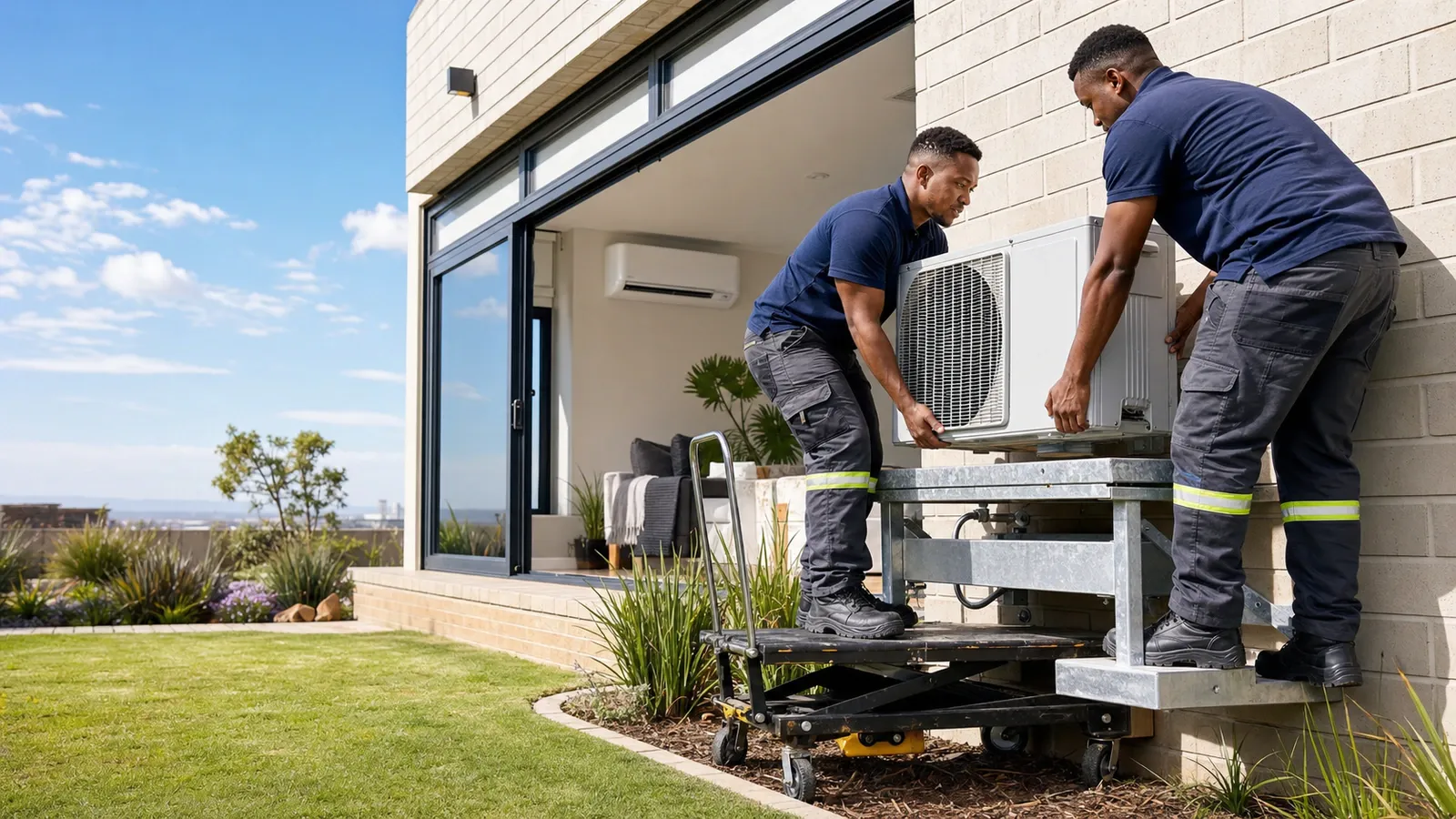
A certified installation should include a full site survey, duct design, electrical provisioning, secure outdoor unit mounting, refrigerant charging, system balancing, commissioning and a written handover with warranty details. Typical residential installs take several days depending on complexity and access. Independent contractors will specify timelines in their quotes.
Compare scope, unit make and model, capacity, duct materials, insulation, labour warranty, parts warranty and commissioning tests. Confirm whether civils, electrical upgrades or ceiling repairs are included. Ask for a breakdown of costs and request references or examples of completed local jobs before deciding.
Service twice a year under a maintenance plan: clean or replace filters, inspect coils, check refrigerant pressure, clear condensate drains and test controls. Check duct seals and insulation annually. Keep vents clear and programme zoning sensibly. Regular maintenance preserves efficiency and reduces the risk of water damage to ceilings.
Installations must comply with building codes, electrical regulations and refrigerant handling laws. Work on high-voltage supply or structural alterations may need a licensed electrician or builder, and some complexes require body corporate approval. Ask contractors for proof of relevant licences and insurance before work begins.
Retrofitting is possible in many homes but depends on the available void, access routes and structural constraints. Options include reduced-profile trunking, partial zoning or using alternative systems like multi-split if ceilings are unsuitable. A site inspection will identify the least disruptive approach and cost implications.
Designers select low-noise fan coils, use duct silencers where needed and properly size diffuser grilles for gentle airflow. Balancing dampers and correct register placement avoid cold drafts and ensure even distribution. Ask to hear a running demonstration on similar installations if noise is a priority.
Costs vary with unit capacity, brand, duct complexity, ceiling repairs, electrical work, controls and site access. Additional factors include insulation upgrades and zoning panels. Get at least three quotes, review the written scope and ensure guarantees are clear to compare like for like.
You may request up to three quotes, or up to five where available, from independent contractors. Contractors handle surveys, sizing, installation timelines, warranties and pricing. The platform facilitates requests only; independent professionals supply the detailed proposals and follow-up visits.
Installation choices
Model availability varies by provider.



At a glance
Pricing depends on scope, prep work and access. Submit a request to get indicative figures from independent local air conditioning installers.
Request Free QuotesRelated services
Compare quotes from independent Johannesburg technicians for correctly sized aircon installation.
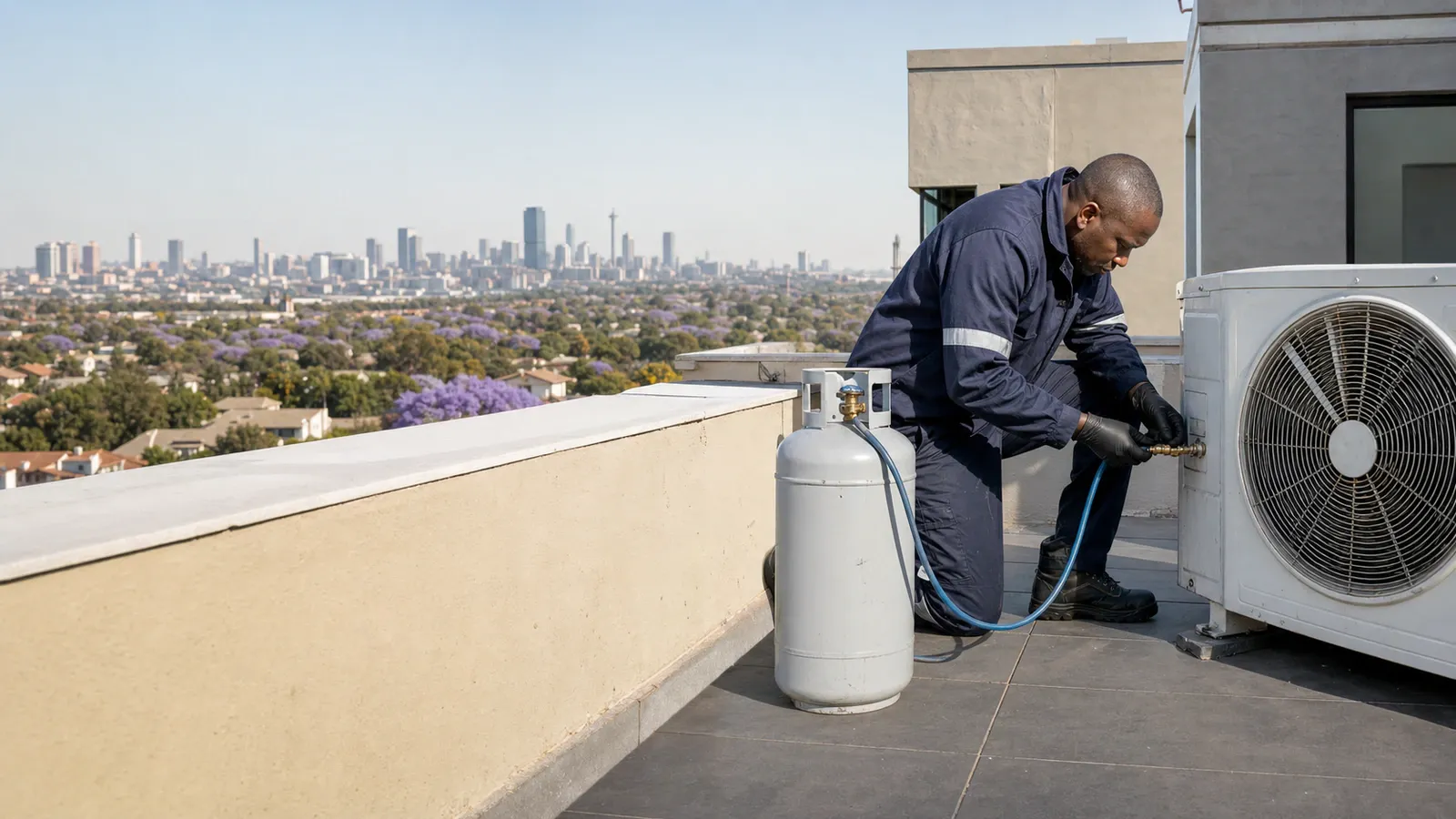
Compare quotes from independent Johannesburg technicians for aircon regas, leak detection and refrigerant top-ups.

Compare written quotes from independent aircon repair technicians across Johannesburg.
Submit your request and independent local air conditioning installers in Gauteng may respond with their availability and pricing. No obligation to accept any quote.
Air Conditioning Johannesburg uses essential cookies to run the site and, with your consent, anonymous analytics to improve it. See our Cookie Policy.