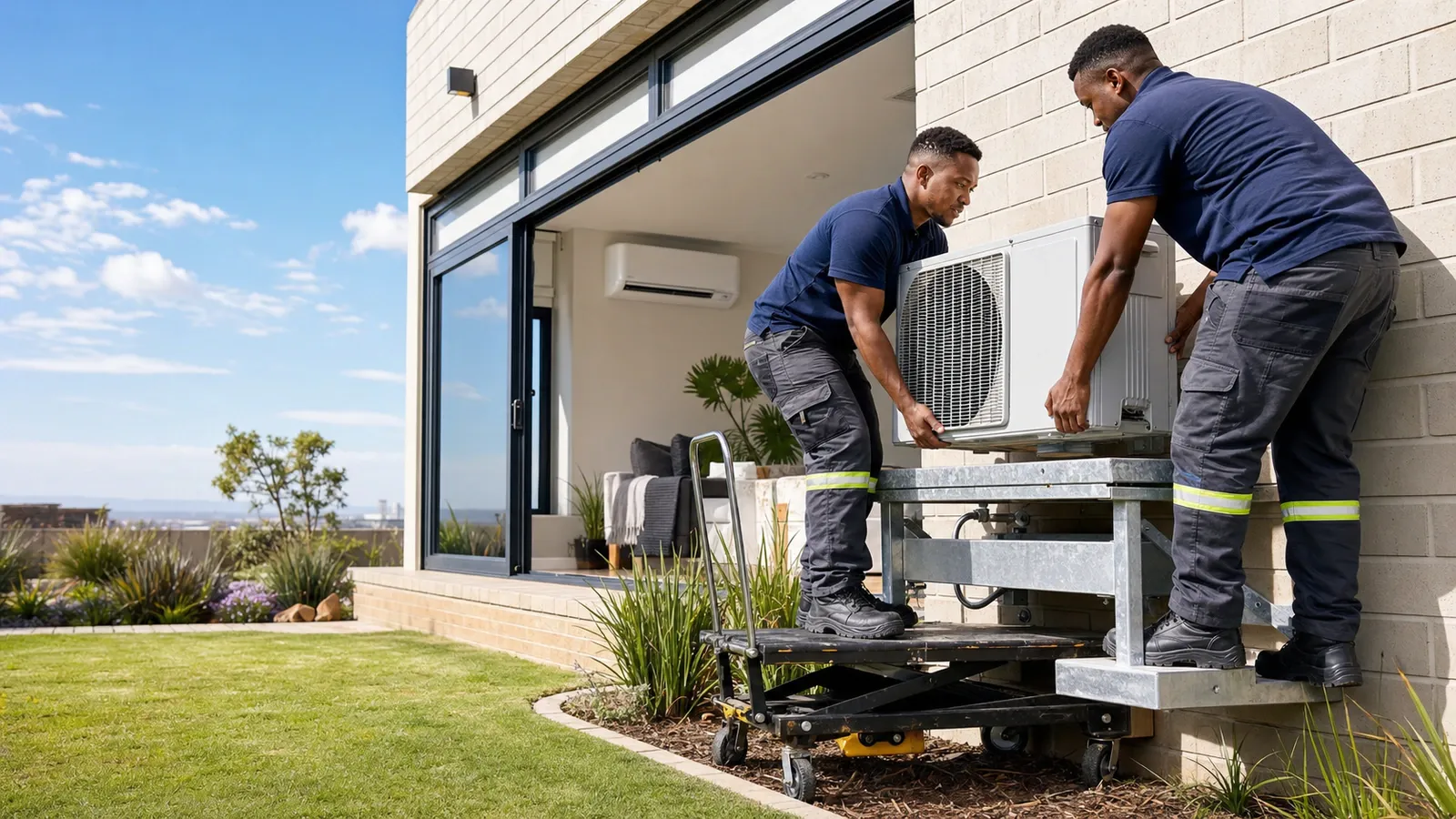
Aircon Installation Johannesburg
Compare quotes from independent Johannesburg technicians for correctly sized aircon installation.
Independent quote comparison across Gauteng

Free. No sign-up. No obligation to accept any quote.
14 min read
Quick answerAn inverter aircon uses a variable-speed compressor that adjusts output to demand, cutting electricity use by up to 30% versus older fixed-speed units. Standard back-to-back installs run about R2 500 for 9 000-12 000 BTU units and R2 700 for larger units, incl. VAT.
Inverter aircon is the most cost-effective way to cool a Johannesburg home through the year, using a variable-speed compressor to trim running costs across warm summers and chilly nights. Many homeowners compare different systems and find the choices confusing, so this guide keeps it simple.
Visit airconditioning-johannesburg.co.za to see how our platform connects you with local contractors across Sandton, Randburg and Roodepoort. Our quote process helps you get clear, competitive aircon pricing so you can weigh the right option for your space.
Choosing an inverter air conditioner often delivers steadier cooling and lower running costs than older models. Whether you live in Fourways, Midrand or the CBD, our site explains the difference between unit types and guides you on sizing, access and likely time for installation.
We don’t install or repair. We help you understand needs, compare quotes and arrange a professional aircon installation so your new inverter unit performs well for years.
Table of contents
A closer look at variable-speed compressors shows why many households shift to smarter cooling solutions.
The modern compressor in many air conditioners varies its speed to match the room’s needs. This contrasts with fixed-speed models that run at full power until the desired temperature is reached, then switch off.
The compressor adjusts speed to supply just enough cold or warm air. That steady modulation keeps the room temperature stable and avoids large power spikes.
This technology reduces energy consumption and lowers noise because the compressor rarely makes abrupt starts and stops. You get smoother operation and more precise control of the desired temperature.

“A variable-speed compressor provides quieter, more consistent comfort while using less energy than a stop-start system.”
| Feature | Variable-speed | Fixed-speed |
|---|---|---|
| Compressor behaviour | Adjusts speed to match room | Runs at full power, then off |
| Energy use | Lower, steady consumption | Higher spikes on start |
| Noise | Quieter in operation | Louder during start-up |
| Temperature control | Precise and stable | Wider swings in temperature |
Homes feel steadier comfort when the unit matches cooling demand instead of running flat out. That change in compressor behaviour makes a real difference in daily temperature control and running costs.
Up to 30% better efficiency is typical for inverter air conditioner models compared with non-inverter air conditioners. This cuts energy use and reduces large power spikes during start-up.
Frequent cycling shortens the life of a standard conditioner. Non-inverter air conditioners push the compressor to full power, then stop, which causes extra wear and higher maintenance over time.
“A compressor that adjusts its speed delivers quieter, more consistent comfort while reducing energy spikes.”
| Aspect | Variable-speed models | Non-variable models |
|---|---|---|
| Compressor behaviour | Modulates speed to demand | Runs at full power, then off |
| Energy use | Steady, up to 30% lower | Higher peaks on start |
| Durability | Less wear from cycling | Increased wear and service needs |
Johannesburg homes gain steady comfort and lower bills when a smart cooling solution matches demand. This matters in suburbs such as Sandton and Fourways where day-night swings can be large.
Stable room temperature keeps living spaces comfortable without big swings. That steady control helps children and the elderly sleep and feel better.
Choosing an inverter air conditioner means the compressor adjusts to the load so rooms stay near the set temperature over time.
Bedrooms benefit from quieter operation because the compressor speed changes smoothly rather than starting and stopping loudly.
Residents report less noise disruption, which improves rest and reduces night-time disturbance.
These units use less energy to maintain comfort. Lower energy consumption reduces electricity bills and long-term running costs compared with non-inverter air conditioners.
| Benefit | Variable-speed units | Non-variable units |
|---|---|---|
| Noise | Quieter operation in bedrooms | Loud start/stop cycles |
| Energy use | Steady, lower energy consumption | Higher electricity peaks |
| Temperature | Stable room temperature | Wider swings |
What you pay for fitting a unit in Johannesburg depends on the size, site and how complex the job is. Small changes in access or wiring can add time and labour to a standard fit.
Common cost drivers include unit capacity, the brand you choose, and whether extra piping or trunking is needed.
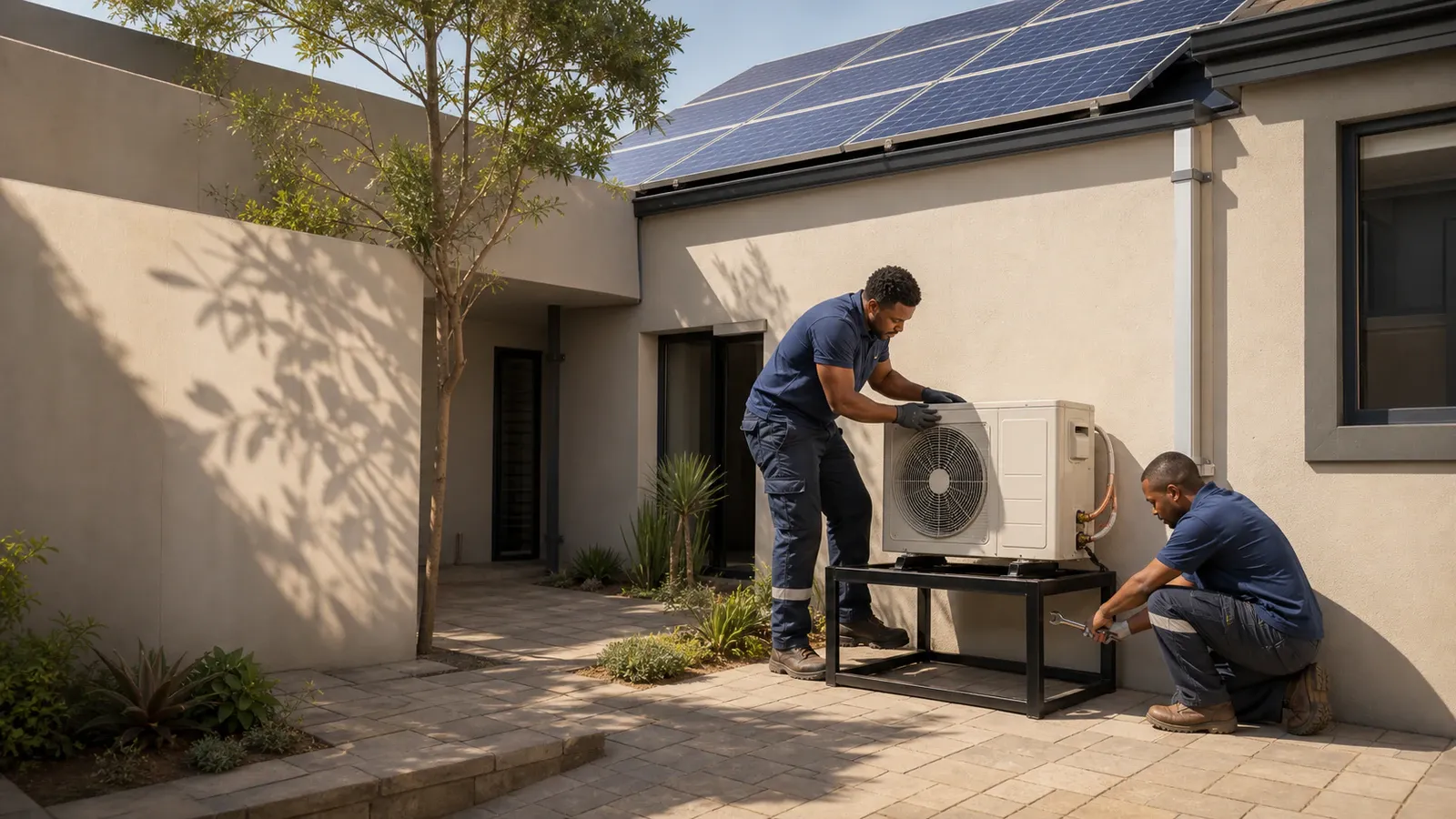
Basic back-to-back installs for 9000btu or 12000btu units are priced at R2 500, while larger 18000btu or 24000btu units cost R2 700, including 15% VAT.
Additional charges may apply for more than the standard 3 metres of piping, complex electrical work, or extended labour time. Travel fees are often charged beyond a 30km radius from the contractor’s base in areas such as Midrand or JHB South.
“Requesting site-specific quotes helps you avoid surprises and compare true cost breakdowns.”
Use our platform to request quotes so independent contractors can assess your room size, access and power needs and give an accurate price. Comparing offers helps you see where savings or necessary extras lie before you commit.
| Install Type | Price (incl. 15% VAT) | Notes |
|---|---|---|
| 9000 / 12000 BTU | R2 500 | Standard back-to-back, includes VAT |
| 18000 / 24000 BTU | R2 700 | Standard back-to-back, includes VAT |
| Extras | Variable | Extra pipe, trunking, electrical work, travel beyond 30km |
Right-sizing a cooling system prevents wasted energy and poor temperature control in Johannesburg homes.
Selecting the correct capacity for your air conditioner is vital. An undersized unit will struggle to reach your desired room temperature and will run longer, using more energy. Over-sized units cycle too quickly and can raise humidity and noise.
Our platform links you with contractors in Randburg and Roodepoort who can calculate cooling heating needs for your specific area and layout. They check factors such as room size, sun exposure and insulation before recommending a suitable type or unit.
“A properly matched system works less hard and delivers steadier comfort with lower bills.”
| Room size (m²) | Recommended capacity | Notes |
|---|---|---|
| Up to 12 | 2.5-3.5 kW | Small bedroom or study; split unit ideal |
| 12-25 | 3.5-5.0 kW | Living room or large bedroom; consider sun load |
| 25-40 | 5.0-7.0 kW | Open-plan living; may need multiple units |
Local rules and safety standards shape every installation in Johannesburg, so knowing them saves time and surprise costs. Compliance protects your home, ensures safe operation and helps you compare quotes on a like-for-like basis.
Only a SAQCC Gas installer should handle refrigerant work. This certification shows the contractor has the legal training to work on air conditioners and to commission systems safely.
Ask for proof of SAQCC Gas certification when you request quotes. Contractors on our platform list their credentials so you can check them before booking.
SANS 10142-1 governs isolator placement and other electrical rules for installations. The standard requires a qualified electrician to fit an isolator switch within two metres of the outdoor condenser.

“Confirm certification and isolator details on the written quote so you know how safety and electricity work are budgeted.”
We connect you with independent contractors who prioritise safety, and you can ask each to confirm the SAQCC Gas accreditation needed so your inverter unit and associated electrical work meet national standards for your area.
Weighing the initial purchase against years of lower bills helps you pick the right cooling option for your home in Johannesburg.
Higher upfront cost often buys lower running costs. An inverter unit usually costs more to buy and fit, but it can use up to 30% less electricity than non-inverter air conditioners. That gap reduces your monthly bills and shortens the payback period.
Use the numbers below to compare typical outcomes. Consider room size, operation hours and local electricity tariffs when you assess savings.
“Choosing a unit with better efficiency can turn a higher initial spend into long-term value.”
| Factor | Inverter unit | Non-inverter air conditioners |
|---|---|---|
| Typical electricity use | Up to 30% lower consumption | Higher, with frequent start-up peaks |
| Upfront cost | Higher purchase and install price | Lower initial spend |
| Payback period | Often a few years depending on use | Longer due to higher running costs |
| Household benefits | Lower bills, steadier operation | Lower initial cost, higher ongoing electricity |
A yearly service is the most effective way to protect your unit and maintain performance.
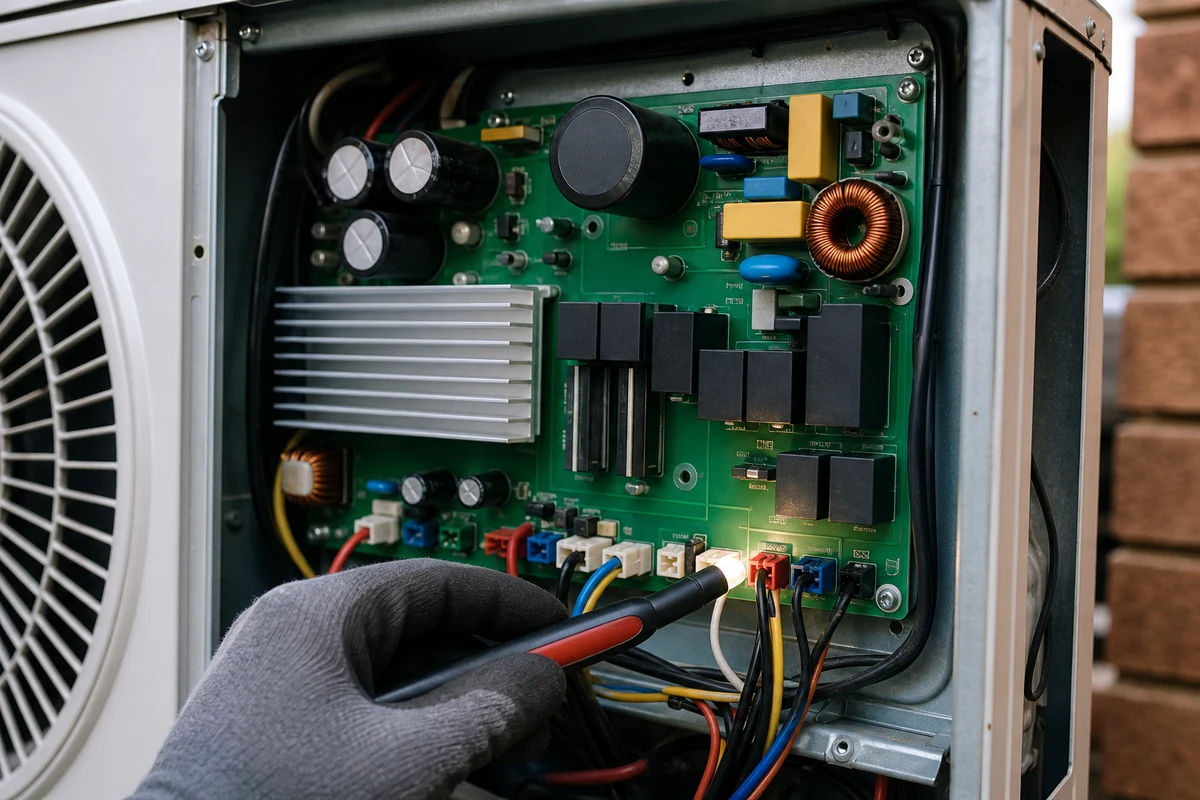
Regular professional servicing keeps your air conditioners working efficiently. A technician inspects the compressor, checks refrigerant and tests electrical connections.
Simple checks reduce the risk of faults and help the unit give quieter operation and steady room temperature control.
“Annual checks extend lifespan - many units last up to 15 years with proper care.”
Consistent maintenance helps your air conditioner use less electricity and limits repair bills. Book regular servicing to preserve efficiency and comfort in every room.
| Service item | Why it matters | Typical action |
|---|---|---|
| Compressor inspection | Protects performance and prevents failure | Visual checks, pressure tests and lubrication where needed |
| Refrigerant level | Ensures correct cooling and lower consumption | Leak check and top-up if within legal and safe limits |
| Electrical and isolator | Safety and reliable operation | Tighten connections, test isolator and measure current draw |
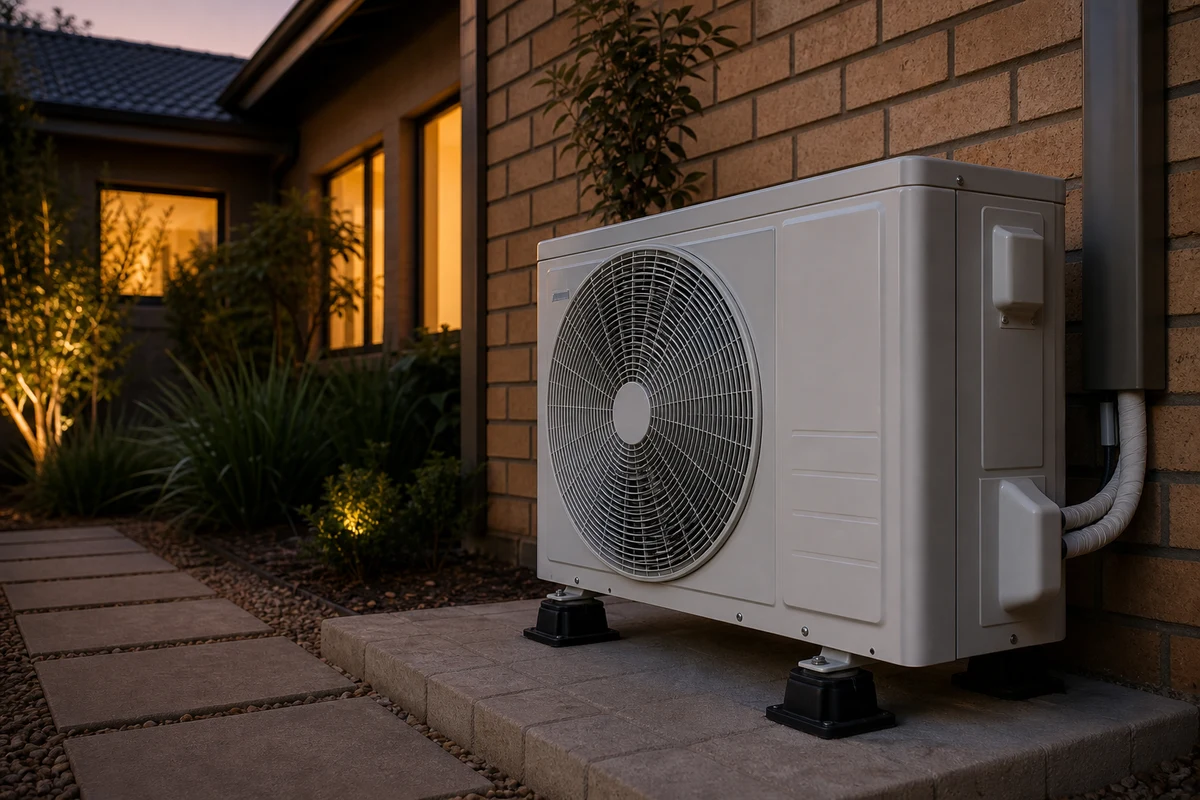
Choosing the right air conditioner for your Johannesburg home affects daily comfort, long-term cost and electricity consumption. A properly sized inverter unit delivers steadier temperature control and better energy efficiency over time.
Understand the difference between system types and their operation. Regular servicing and correct installation keep performance high and reduce unexpected repair bills.
We help you compare quotes and connect with independent contractors for installation and the wider cooling and heating services on the platform. Use our platform to review options and make a clear choice.
Ready to compare prices? Get inverter aircon quotes.
You should start with room size, solar exposure, insulation and how you use the space. A correct capacity and placement avoid short-cycling and wasted energy. Request up to three quotes (or up to five where available) from independent contractors who will advise on unit type, access for installation, required electrical work and any permits. Contractors handle sizing, parts, labour, timelines and warranties.
Variable-speed compressors adjust their output to match the room’s cooling or heating needs rather than switching full power on and off. That reduces running hours, lowers noise and keeps temperature steady. The result is less energy use over time and fewer temperature swings in living areas and bedrooms.
The control electronics vary compressor speed to meet the desired temperature efficiently. This means the unit runs at partial load most of the time, using less electricity than a fixed-speed system that repeatedly starts and stops at full power. You get faster recovery after door openings and more consistent comfort.
They avoid frequent on/off cycling and run closer to the required load, cutting wasted energy. That improves seasonal efficiency, reduces wear on the compressor and often lowers lifetime operating costs, particularly in homes with variable occupancy or open-plan areas.
Expect steadier indoor temperatures, quieter operation - useful for bedrooms - and measurable energy savings in day-to-day use. Properly sized units also reduce humidity and improve comfort without constant temperature swings.
Yes. Because the compressor runs at lower speeds most of the time, noise levels drop significantly compared with older, fixed-speed models. Indoor fan speeds also run lower, making nighttime operation less intrusive.
Savings vary with usage, home insulation and local climate, but many homes see noticeably lower energy use versus non-inverter models. Accurate sizing and good maintenance are essential to achieve those savings.
Key cost drivers are unit capacity, number of indoor units, installation complexity (route of refrigerant lines, access, mounting), any electrical upgrades or isolator requirements, and required permits or gas certification. Materials and contractor labour rates also affect the total.
Use a room-by-room heat-load calculation that considers floor area, ceiling height, glazing, orientation and insulation. A professional will account for occupancy and equipment heat gains. Oversizing wastes energy and shortens component life; undersizing won’t meet comfort needs.
Technicians handling refrigerant must hold SAQCC Gas certification. Electrical work should meet local wiring rules and include appropriate isolators and circuit protection. Ask contractors for proof of certification and a written quote detailing compliance and warranty terms.
It ensures the technician is qualified to handle refrigerant safely and legally. Proper handling protects system performance, prevents leaks and complies with environmental and safety regulations.
Confirm available circuit capacity, the need for a dedicated circuit and a suitably sized isolator close to the outdoor unit. Some systems require a specific supply voltage or starter device. A qualified electrician or your contractor should verify and quote any upgrades.
Factor purchase price, installation cost, expected energy use, maintenance frequency and likely lifetime. Get written quotes and estimated running costs from independent contractors. In many cases, higher initial cost pays back over time through reduced electricity bills and longer equipment life.
Regular filter cleaning, checking drain lines, inspecting refrigerant pressures, and annual professional servicing preserve efficiency. Timely repairs, genuine parts and scheduled servicing reduce breakdown risk and keep energy use low.
For typical household use, an annual service is recommended. Homes with heavy use or dusty conditions may benefit from servicing every six months. Professionals will check refrigerant charge, electrical connections and overall system health.
Ensure it lists unit make and model, capacity, installation details, access requirements, parts and labour, compliance certificates (SAQCC where relevant), warranty specifics and timelines. Clear scope and exclusions help you compare bids fairly.
Installation choices
Model availability varies by provider.



At a glance
Pricing depends on scope, prep work and access. Submit a request to get indicative figures from independent local air conditioning installers.
Request Free QuotesRelated services
Compare quotes from independent Johannesburg technicians for correctly sized aircon installation.

Compare quotes from independent Johannesburg technicians for aircon regas, leak detection and refrigerant top-ups.

Compare written quotes from independent aircon repair technicians across Johannesburg.
Submit your request and independent local air conditioning installers in Gauteng may respond with their availability and pricing. No obligation to accept any quote.
Air Conditioning Johannesburg uses essential cookies to run the site and, with your consent, anonymous analytics to improve it. See our Cookie Policy.