17 min read
Quick answerA standard single-split aircon install is usually a one-day job: site survey, indoor and outdoor unit mounting, refrigerant lines, electrical connection, then commissioning tests. Clear access beforehand and confirm the written scope and warranty.
Aircon installation is a one-day job that shapes how comfortable and efficient your home stays for years, so it pays to know what a good fit looks like.
Preparing for a new air conditioning fit takes clear thinking and local knowledge. Our aircon installation guidance for Johannesburg covers the standards, quotes and contractor checks that matter to homeowners here.
Modern air conditioners are often 20-50% larger than units from a decade or two ago, so space, access and correct sizing are vital. Each unit and system step protects your investment and limits long-term energy loss.
We outline the key steps so you know what to ask and what to expect from a professional service - just one topic in our wider collection of aircon guides. That way you remain in control, spot issues early and choose the right contractor with confidence.
Quick Facts & Key Takeaways
- A single-split install runs about a day, but multi-room, ducted or awkward-access jobs take longer.
- Modern units are often 20-50% larger than older models, so wall space, access routes and correct sizing matter before you book.
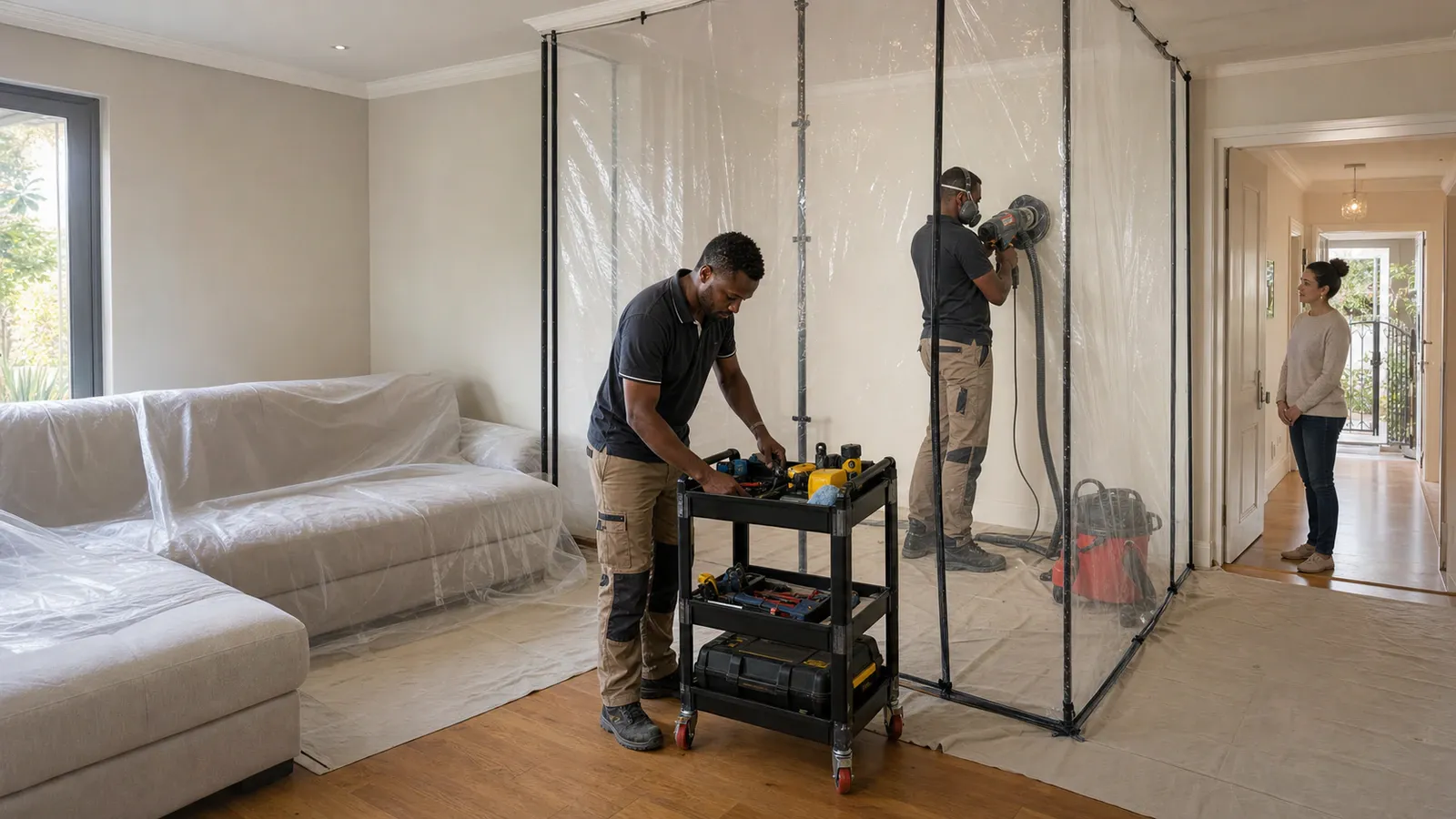
- Clear the wall area, protect floors and furniture, and secure pets so the team can work safely.
- The outdoor condenser needs a level composite pad, not bare concrete, plus clearance for airflow to cut noise and protect the warranty.
- Removing an old unit means certified refrigerant recovery - ask your contractor to confirm SAQCC Gas registration before any handling.
Table of contents
Table of contents17 min read
How a professional install unfolds
A correctly fitted air conditioner starts with a careful, step‑by‑step plan tailored to your home in Johannesburg.
Every stage matters. From the initial assessment and correct unit sizing to the final performance checks, a licensed technician follows precise manufacturer instructions. Cutting corners can add thousands to lifetime energy bills.
Look for a service that documents each stage. That record should show electrical safety checks, refrigerant handling and airflow verification before the team leaves.
- Pre‑site survey and sizing to match room cooling needs.
- Strict adherence to manufacturer specifications and safety rules.
- Final testing of the whole system to confirm efficiency and comfort.
Understanding these steps helps you spot quality providers who care about long‑term performance. Ask for written checks and clear guarantees so your conditioning investment delivers expected comfort and lower running costs.
What to sort before you book
Planning a cooling upgrade in Johannesburg starts with a realistic site check and local insight. You should assess room size, wall access and the likely heat load in your area before choosing a unit. Getting these basics right before you book a split aircon installation saves time, cost and energy later.
What differs by suburb
Different suburbs impose different constraints. In Sandton and Fourways, apartments and townhouses often need compact units and careful wall placement. Randburg and Roodepoort homes may allow garden‑mounted condensers but need noise and clearance checks.
Midrand and CBD/JHB South can have access limits, higher labour costs and tighter rules for outdoor placement. Make sure the chosen location follows manufacturer clearance guidelines to protect warranty and performance.
Matching the unit to the room
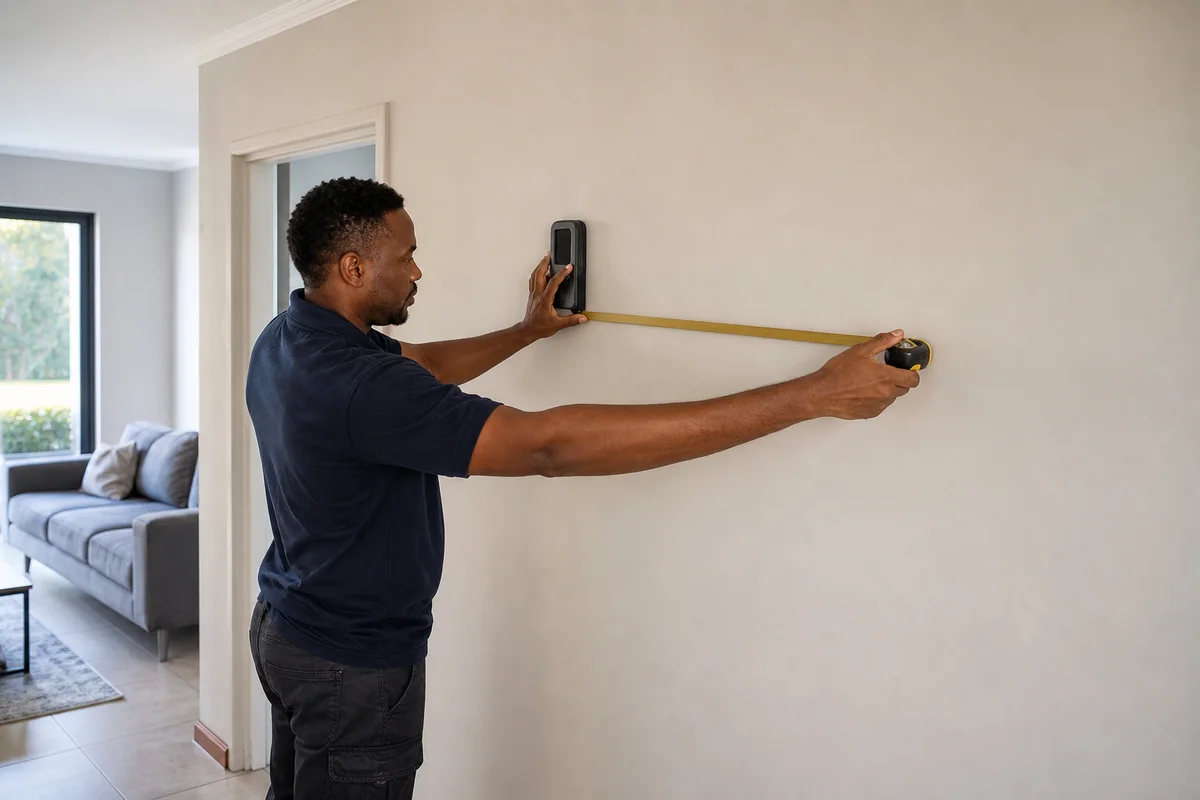
Measure the room and note windows, sun exposure and typical occupancy. A professional should confirm the right cooling type and help you work out what size aircon you need so the system handles local heat without wasting energy.
| Room/Location | Typical Unit Size (kW) | Recommended Clearance |
|---|---|---|
| Small bedroom | 2.5-3.5 | 30 cm from ceiling, 15 cm side wall |
| Living room / open plan | 4.0-6.0 | 50 cm free space, unobstructed airflow |
| Large lounge / office | 6.0-8.5 | Clear outdoor condenser area, level base |
| Compact apartment | 2.0-3.0 | Consider wall location or garden bracket |
- Check access routes for the team and any repair work.
- Confirm energy goals and your preferred type of aircon with your service provider.
- Request written size and location checks to make sure the system matches the room.
Comparing quotes side by side
Knowing how quotes are built helps you choose the right system for your home.
Use our platform to request up to three quotes, or up to five where available, from independent contractors. This lets you compare how access, room size and BTU needs affect final cost.
Our quote process gathers clear information about the proposed installation of your air conditioning system. You will see how parts, labour, urgency and brand influence the estimate.
- Request multiple quotes to compare scope, timelines and price.
- Check each quote for access, labour and any special requirements.
- Use the details to assess cooling needs and likely running costs.
Important: using our platform connects you with professionals who provide assessments. We do not perform the work. The quotes you receive help you evaluate options without pressure or hidden fees.
| What to Compare | Why it matters | How our quote process shows it |
|---|---|---|
| Room size & BTU | Determines system capacity and efficiency | Quoted kW/BTU and recommended room match |
| Access & labour | Affects time and practical cost | Breakdown of access needs and labour hours |
| Brand & parts | Impacts warranty and long‑term reliability | Listed brand, parts and warranty details |
Getting your home ready for the team
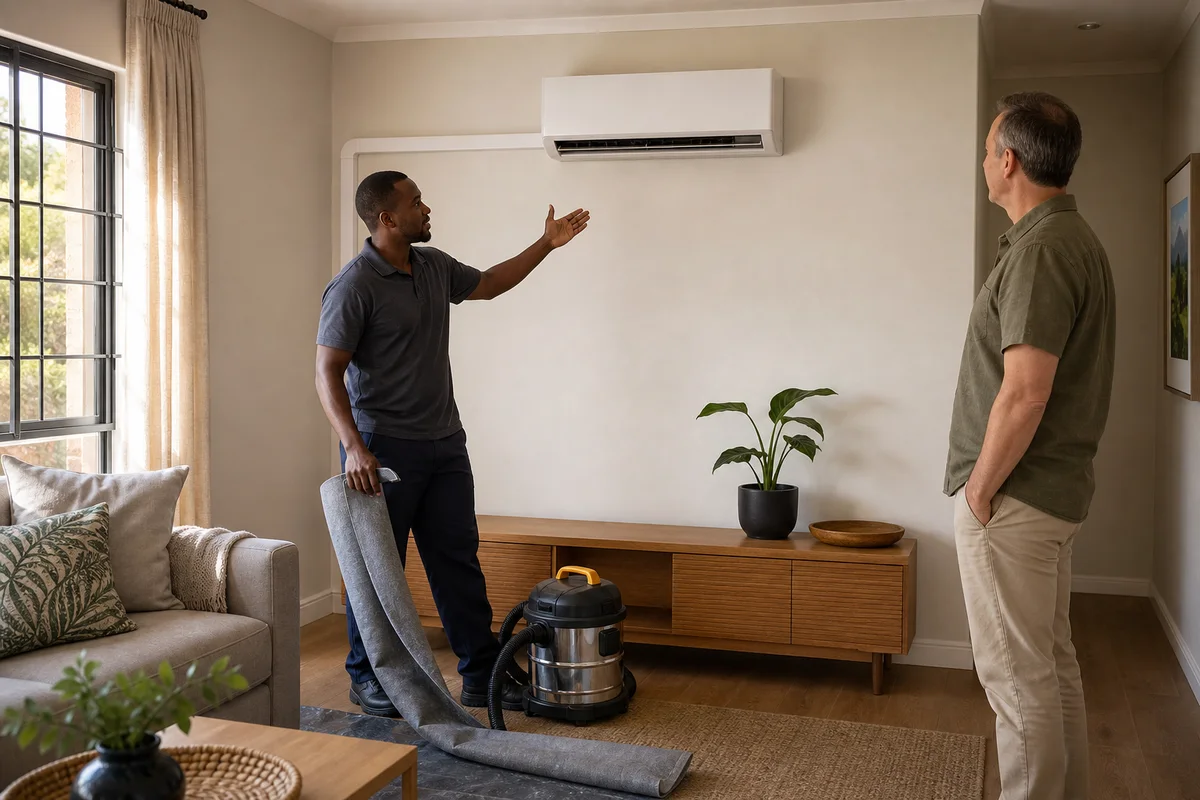
Good preparation before the trades arrive helps ensure accurate placement of your indoor unit.
Clear the area around the wall where the indoor air conditioner will be mounted. Remove pictures, shelves and fragile items so the team can work without risk to your finishes.
Make sure all access paths are free of furniture and debris. This gives the crew room to carry the unit safely from the vehicle to the chosen location.
- Protect surfaces: cover floors and furniture near the wall to catch dust or small parts.
- Free the space: move sofas or beds away from the wall and create a clear working area.
- Remove obstacles: take down decorations and items that might block the installation team.
Whether the unit is for a bedroom or a living room, an accessible location speeds the work. A tidy home reduces delays and helps the team focus on the technical side of the air conditioning installation process.

By clearing the area you protect your property and help ensure the final conditioning of the room meets expectations.
Safety checks before work starts
A careful on‑site review sets the tone: safety checks and job details happen first.
The lead installer will review your job information and explain the planned steps. They confirm the expected location for the air conditioner and outline the safety measures before any work begins.
The team performs a safety check that includes switching off electrical wiring and isolating the gas supply to existing equipment in your home. Verifying power and safety disconnects protects both people and property.
A thorough site survey looks for issues such as refrigerant leaks, damaged wiring or restricted access that could affect the new unit or system. Spotting these early avoids delays and extra cost.
- Power and wiring: confirmed and isolated before work.
- Gas supply: shut off where relevant to reduce risk.
- Site hazards: identified and recorded, with repair notes if needed.
The lead installer will share the information with you so you can confirm expectations. Safety is the top priority and these checks are a standard part of professional air conditioning service in Johannesburg.
Taking out the old unit and its gas
A careful removal of the old unit prevents gas, water and electrical hazards on site. If you are moving a working unit to a new spot rather than scrapping it, our guide to relocating or moving an aircon walks through the extra steps.
Safe refrigerant recovery
Safe Refrigerant Recovery
The team uses a certified recovery machine and tank to extract refrigerant from the existing air conditioner. EPA standards require this equipment to avoid illegal venting.
Each technician handling refrigerant must hold individual EPA certification. That qualification shows the service follows law and environmental best practice.
Disconnecting Power Supplies
After recovery, the crew will disconnect wiring and isolate the power supply to the old system. This reduces the risk of electric shock before any removal work begins.
- Legal handling: refrigerant is captured in a recovery tank, not released into the air.
- Qualified staff: every team member dealing with refrigerant carries EPA certification.
- Electrical safety: power and wiring are isolated before dismantling the unit.
- Drainage care: water lines are capped or re‑routed to avoid spills during removal.
Taking the time to remove the old equipment correctly protects the environment and your home. It also sets a clean, safe stage for the new air conditioning unit to be fitted with minimal delay.
Installing the Indoor Evaporator Coil
Fitting the indoor evaporator coil demands exact alignment and careful attention to the room layout. The coil must sit perfectly level so the air conditioner provides consistent cooling and the condensate drains correctly.
Whether the coil is cased or uncased, follow the manufacturer’s guidance. This protects the system and preserves warranty terms.
The team will mark and drill the holes for refrigerant lines and run the water drain. They seal wall penetrations to avoid energy‑wasting air leaks and drafts.
- Service access: the unit is placed with enough space for future repairs and routine checks.
- Drainage: correct pitch and pipe routing prevents moisture buildup in your room.
- Lines insulation: refrigerant lines are insulated to limit energy loss and protect performance.
Size matching matters: the coil must match duct or unit size so the air conditioning system runs efficiently in your home.
| Check | Why it matters | What the team does |
|---|---|---|
| Level and alignment | Ensures proper cooling and condensate flow | Use spirit level; fix bracket positions |
| Sealing and holes | Prevents air leaks and heat gain | Drill minimal holes; seal gaps with foam or compound |
| Drain route | Stops moisture and mould | Install trap and test flow with water |
| Line insulation | Reduces energy loss and protects refrigerant | Apply foam insulation and secure with tape |
Positioning the Outdoor Condenser Unit
Placing the outdoor condenser well prevents noise, heat and costly repairs. In Johannesburg, choose a clear spot that follows the manufacturer’s clearance recommendations. This protects the air conditioning system and helps your home stay comfortable.
Levelling and vibration reduction
Levelling and Vibration Reduction
The outdoor unit must sit on a level composite pad rather than plain concrete. A composite pad absorbs vibration and reduces noise that can travel into living spaces.
Make sure the chosen location allows adequate airflow around the unit. Clear the area of debris and avoid placing it tight against a wall or fence so heat can escape freely.
The team will connect refrigerant lines and electrical wiring with leak‑free fittings and secure power connections. They will also check access and space for future repair and servicing.
Final check: once set, the team tests the unit to confirm level, isolation from the ground and correct airflow so the air conditioner runs quietly and cools efficiently.
Connecting Refrigerant Lines and Electrical Wiring
When the lines meet the unit, careful joining and testing determine long‑term performance.
The team will connect the refrigerant lines to your air conditioner using a brazing method. Brazing heats the valves to at least 1 200°F to form reliable, leak‑free joints.
Proper insulation of these lines is essential. Insulated lines reduce energy loss and help the system move heat away from your room efficiently.
Electrical wiring is tied into the power supply to meet local codes. Correct wiring protects your home and extends the life of the unit.
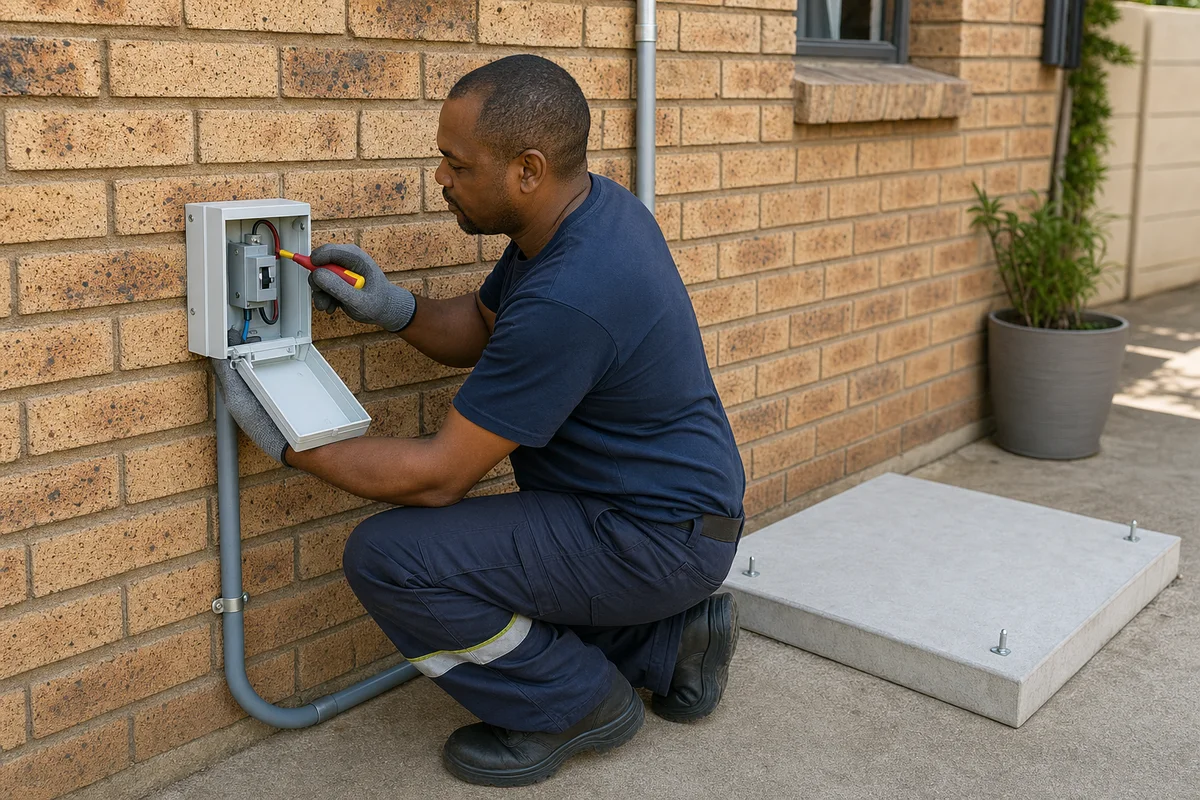
- The team will check connection points for refrigerant leaks; even small leaks affect cooling and repair costs.
- All work follows the manufacturer’s specifications so the lines and wiring suit your exact air conditioning model.
- Wiring and outdoor terminations will be weather‑protected to avoid corrosion and reduce future repair needs.
Once connections are complete, the crew confirms pressures and electrical safety. This step readies the system for final commissioning and performance testing.
Commissioning and final tests
Final testing confirms the new system performs safely and delivers the cooling you expect.
Commissioning begins with a measured run of the unit. The team observes temperatures, checks refrigerant pressures and listens for unusual noise. This proves the system reaches the desired level of comfort for your room and home.
Drainage Route Verification
Technicians trace the water drain to ensure there are no blockages or low points that cause leaks. They run test water through the drain and confirm outlets are clear.
Electrical Safety Checks
Power connections and protective devices are tested against manufacturer standards. The team verifies wiring, fuses and earth connections to protect people and property.
Final Airflow Assessment
The crew measures airflow at the wall and return grilles to make sure each area cools evenly. They adjust fan settings and confirm the outdoor unit is operating within the correct refrigerant range.
What happens next:
- Review of warranty paperwork and operating guidance with you.
- Site tidy up and removal of debris so your home is left clean.
- Written notes of any follow‑up work and contact information for service.
| Check | Why it matters | What the team does |
|---|---|---|
| Drain route | Prevents water damage | Run water test, clear blockages, secure outlet |
| Electrical safety | Protects people and equipment | Test supply, earth, fuses; record readings |
| Airflow & temperature | Ensures even cooling | Measure airflow, adjust fan speed, balance vents |
| Refrigerant & outdoor unit | Maintains efficiency and warranty | Check pressures, top up if needed, inspect outdoor area |
Keeping comfort and warranty on track
Small, regular checks preserve efficiency and cut the lifetime cost of a home cooling unit.
You can use our Johannesburg aircon platform to find contractors who offer scheduled servicing for your air conditioner and wider air conditioning needs.
Protecting your warranty is straightforward: follow the manufacturer’s maintenance schedule and keep dated service records. This helps if a fault appears and supports any warranty claim.
We recommend annual checks so the unit maintains energy performance. Regular servicing prevents minor faults from becoming expensive repairs and keeps reliable heat and cooling all year.
Choose a reputable professional via our platform; we connect you with experts who understand warranty care and consistent system performance.
FAQ
What should I expect on the day of the aircon installation?
Expect a short site review first, followed by preparation of access paths and protection for floors and furniture. The installers will check room sizes, confirm unit locations for the indoor and outdoor components, run electrical wiring and refrigerant lines, and complete commissioning and performance tests. Allow several hours for a standard single-split system; larger multi-room installs take longer. Have clear access and any pets secured.
How do installers decide where to position the indoor and outdoor units?
Technicians assess room layout, sun exposure, airflow needs and wall strength. The indoor evaporator goes where it can distribute cool air evenly without obstructions. The outdoor condenser needs firm level ground or a mounted bracket, good airflow, and access for servicing. Installers balance sound, vibration, refrigerant line length and energy efficiency when choosing locations.
What regional factors matter when planning a cooling upgrade in Johannesburg?
Local climate, typical summer temperatures, and neighbourhood noise rules affect equipment choice and placement. Consider sun-facing walls, dust levels, and whether the property is in a high-density area where outdoor unit placement is restricted. Contractors familiar with Johannesburg will recommend systems sized for our heat and take into account local building regulations and access for service.
How do I assess room requirements and choose the correct unit type?
Assess floor area, ceiling height, insulation and window orientation. Single-room needs often suit split systems; larger or multi-zone spaces may need multi-split or ducted systems. A qualified contractor should perform a load calculation (cooling capacity in kW or BTU) rather than relying on rule-of-thumb sizing to avoid undersizing or wasted energy.
What site preparations are needed before the installation team arrives?
Clear furniture and create direct access to the installation area and outdoor unit location. Ensure there’s a safe power supply nearby and a place for installers to park. Remove wall hangings, blinds or obstructions where holes will be drilled. Confirm access permissions if you’re in a complex or have restricted outdoor spaces.
How does the initial site review and safety checks work?
The installer verifies electrical supply, breaker capacity, earthing, and structural suitability for mounting. They check for hazards, mark drilling points, and agree the final unit positions with you. Safety protocols include isolating power, wearing PPE, and following refrigerant-handling regulations.
What happens to existing equipment and refrigerant during replacement?
If removing an old unit, technicians will recover refrigerant using certified recovery equipment to prevent leaks and comply with environmental laws. They disconnect electrical supplies and safely remove indoor and outdoor components. Disposal or recycling follows local regulations and your contractor should confirm waste handling.
How is refrigerant safely recovered and why is this important?
Certified technicians use recovery machines to capture refrigerant into approved cylinders, preventing atmospheric release. Proper recovery protects the environment, ensures legal compliance and allows safe disposal or reclaiming. Never attempt to release refrigerant yourself; it requires trained personnel and specific equipment.
Who handles electrical disconnection and wiring during the job?
A qualified electrician or a trained HVAC technician will isolate the circuit, install or upgrade the dedicated breaker, run power cabling to the outdoor unit and hardwire the indoor controller as required. They perform electrical safety checks and ensure correct earthing and overload protection before commissioning.
What is involved in installing the indoor evaporator coil?
Installers mount the indoor unit on a secure bracket, ensure correct slope for drainage, connect refrigerant lines and condensate drain, and run low-voltage control wiring. They test for leaks, vacuum the lines if fitting a new system and check airflow and cooling distribution once powered.
How is the outdoor condenser positioned and secured?
The unit is placed on a level pad, anti-vibration mounts or wall brackets to reduce noise and movement. Technicians leave clearance for airflow and service access, secure it against theft where needed, and protect it from debris and sun. Proper levelling reduces compressor strain and extends lifespan.
How are refrigerant lines and electrical connections handled between units?
Lines are measured to minimise length, brazed or flare-connected, insulated and routed through a neat pipe chase or hole with seals. Electrical wiring follows code with separate circuit protection. Installers pressure-test and vacuum the refrigerant lines before charging to check for leaks and moisture.
What commissioning and performance tests are carried out before the team leaves?
Technicians check refrigerant charge, measure temperature drop, verify airflow, test drain operation and run electrical safety checks. They confirm correct thermostat operation, listen for unusual noises and demonstrate system controls. A final inspection ensures no leaks, secure fixings and a working system.
How do installers verify drainage and prevent water problems?
Drainage route verification includes ensuring the condensate drain has a continuous fall, routing to an approved outlet or trap, and testing for water flow. They may install an insulated drain line, a condensate pump if gravity drainage isn’t possible, and fit a float switch to protect against overflow.
What electrical safety checks are performed during commissioning?
Checks include correct earthing, breaker sizing, wiring polarity, insulation resistance where applicable, and verifying that current draw is within manufacturer limits. Installers confirm isolation is accessible and labelling is clear. These checks protect the system and building wiring.
How do technicians assess final airflow and system performance?
They measure supply and return temperatures, calculate temperature differentials, and use anemometers or manometers where needed. The team ensures vents are unobstructed, fan speeds are correct and the system reaches design cooling levels efficiently across the room.
What should I know about long-term comfort and warranty protection?
Keep records of the written quote and the installer’s warranty terms. Regular servicing by a certified contractor preserves efficiency and warranty validity. Maintain clearances around outdoor units, clean filters regularly and address faults early to prevent costly repairs and protect warranty coverage.
How can your platform help me compare quotes from local contractors in Johannesburg?
Use the platform to request up to three written quotes (or up to five where available) from independent contractors who will size systems, outline parts and labour, and list warranty terms. Compare scope, unit brands, energy ratings, timelines and service inclusions to make an informed choice.
What should I check on a written quote before accepting it?
Confirm unit make and model, cooling capacity, exact scope of work, materials, electrical upgrades, refrigerant handling, labour warranty, service call terms and exclusions. Check pricing for parts and labour, access requirements and any additional fees for site conditions. Ensure start dates and expected completion times are included.
What are common causes of leaks or reduced cooling after installation?
Causes include insufficient refrigerant charge, loose fittings, blocked condensate drains, poor airflow due to dirty filters or obstructed vents, incorrect unit sizing, or electrical faults. If you notice reduced cooling or sound of hissing, contact a qualified service technician promptly.
How much disruption and debris should I expect during the work?
Expect some dust from drilling and brief relocation of furniture near the work area. Professional teams protect floors, seal holes and tidy work zones. Major duct or structural work creates more disruption; contractors should outline this in the quote so you can plan accordingly.
Ready to request quotes?
Submit a request and independent local air conditioning installers in Gauteng may respond with their availability and pricing. No obligation to accept any quote.
Request Free Quotes