
13 min read
Quick answerAircon cover comes in two parts: the manufacturer’s warranty on components (often 5-7 years) and the installer’s guarantee on workmanship (usually 1-5 years). Register the unit, use an approved installer and keep service records to stay covered.
Aircon guarantees and warranties can be undone by small details - a missed service, an unapproved installer, or the wrong part. Every homeowner or landlord in Johannesburg should know what to check before requesting quotes, and at airconditioning-johannesburg.co.za we walk you through it.
Understanding a manufacturer’s warranty and an installer’s guarantees is not always simple. Read the fine print on parts, labour and required servicing. This helps keep your air conditioner coverage valid and reduces future risk.
We explain how installation choices, access for servicing, and approved parts affect protection. You will learn what to ask for in a written quote and what paperwork to keep.
Our aim is practical: help you compare options, spot exclusions, and decide with confidence. With the clear checks in this and our other homeowner aircon guides, you can avoid common pitfalls and make sure your property gets the right cooling solution.
Quick Facts & Key Takeaways
- Ask whether the manufacturer cover is parts-only or parts-plus-labour, and whether a yearly service is a condition of keeping it valid.
- Insist on genuine (OEM) parts - non-genuine parts, unapproved fitters and skipped services are the common reasons a claim gets refused.
- Power surges, storms and flooding are usually excluded, so ask about fitting surge protection for the compressor.
- Keep purchase invoices, the commissioning certificate and dated service logs together - a future claim depends on them.
- Check whether the guarantee transfers if you sell, and vet the installer before booking since poor workmanship can void manufacturer cover.
Table of contents
Table of contents13 min read
What your warranty actually covers
Identify which parts and labour are included in the manufacturer’s period of support. This tells you what the product cover will and will not fix during the first years.
Most reverse cycle systems ship with a 5 to 7 years manufacturer warranty for parts and labour, depending on the brand. Alliance Aircon, for example, offers a 60‑month limited warranty on unit parts and labour for qualifying products.
Typically the warranty covers defects in manufacturing, such as faulty compressors or evaporator coils. It rarely includes faults from poor installation or neglect.
- Register the product with the manufacturer to activate cover.
- Keep service records: regular maintenance is often required to retain coverage.
- Consider an extended warranty if you want protection beyond the standard years.
When you review documentation, seek clear notes on parts, labour and exclusions. That helps avoid unexpected repair bills and keeps your system running well.

| Brand / Example | Standard Coverage (years) | Parts Included | Typical Exclusions |
|---|---|---|---|
| Alliance Aircon | 5 (60 months) | Compressors, coils, control boards | Poor installation, neglect, unauthorised parts |
| Common reverse cycle brands | 5-7 | Major components, some electronics | Transport damage, misuse, improper servicing |
| With extended cover | Up to +5 years | Additional parts, extended labour | Consumables, wear from neglect |
Manufacturer cover versus installer cover
Knowing whether a fault stems from the product or the installer changes how a claim is handled. Start by checking documentation for the product and the contractor’s record of work.
Manufacturer Warranty Scope
The manufacturer warranty focuses on defects in manufacturing. It covers faulty components, parts and authorised labour that arise from assembly or material faults.
For example, Alliance compressor cover applies to units up to 60 000 BTU; a failed compressor on these units is handled under the manufacturer warranty.
Normal wear and tear, misuse or lack of servicing are typically excluded. Register the product and keep receipts to activate and maintain coverage.
What the installer’s guarantee covers
The installation warranty sits with the contractor. It covers workmanship issues such as leaks, poor pipework or incorrect set‑up that are not manufacturing defects.
Installation cover usually lasts less time than the manufacturer cover - commonly one to five years. Document the work and keep the installer’s report for any future claim.
- Factory defect → manufacturer handles parts, replacement and related labour.
- Installation error → contractor resolves leaks, misalignment or faulty connections.
- Both covers generally exclude repairs and replacements due to normal wear and tear.
| Cover Type | Who Provides | Typical Duration | Common Exclusions |
|---|---|---|---|
| Manufacturer warranty | Brand / manufacturer | 5-7 years (varies) | Neglect, misuse, unauthorised parts |
| Installation warranty | Contractor | 1-5 years | Manufacturing defects, wear and tear |
| Extended cover | Manufacturer / third party | Additional years | Consumables, routine servicing |
Common Factors That Void Your Protection
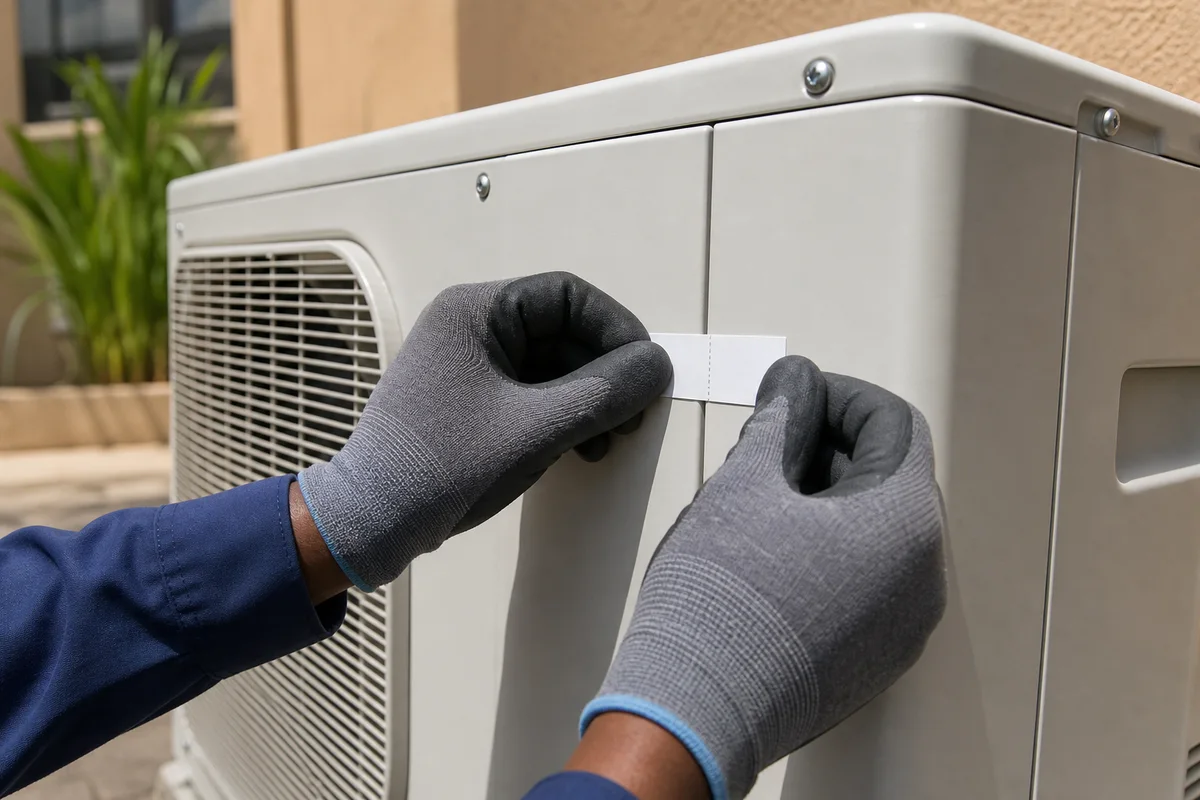
A missed annual service or a surge from the grid can end your product protection. Manufacturers often require a yearly maintenance visit to keep the manufacturer warranty valid. Keep records of each service to prove the schedule was followed.
Improper installation by an unqualified fitter is a frequent reason a warranty may be voided. Learn how to vet an installer, use approved fitters and get a written report that lists parts, labour and any adjustments.
Why skipping a service costs you cover
Failing to clean filters, remove debris or service refrigerant levels can lead to faults that the warranty does not cover. Wear and tear is excluded from most agreements.
- Power surges, storms or flooding are usually not covered; consider surge protection.
- Damage from pests or lack of cleaning is commonly excluded from repairs replacements.
- Keep invoices and service logs; these prove the schedule was met and maintain coverage.
| Factor | Effect on cover | Action |
|---|---|---|
| Missed annual maintenance | May void warranty valid claims | Book yearly service; keep receipts |
| Unqualified installation | Manufacturer may refuse parts labour | Use approved installers; get written report |
| Power surges / storms | Usually excluded from coverage | Install surge protector; document damage |
If a manufacturer or installer refuses a claim you believe is valid, the National Consumer Commission handles disputes under the Consumer Protection Act - keep your invoices, service logs and written guarantee ready to support the complaint.
What to nail down before you ask for a quote
A clear brief about room use and cooling load saves time and avoids surprise costs.
Start with room size, orientation and daily use. These determine BTU needs and the right system type for your home in Johannesburg.
Costs vary by unit brand, access, labour and the complexity of the installation. Expect a higher price when access is limited or wiring needs work.
Ask for written detail showing which parts and labour the quote covers, the manufacturer warranty period and any installation warranty offered by the contractor.
- Confirm whether regular maintenance is required to keep the manufacturer warranty valid.
- Decide if an extended warranty makes sense for long‑term protection of key components.
- Check how much assessment time the visit will take and give clear access to the space.
Use our platform to collect multiple quotes so you can compare scope, brand choices and coverage side by side. This helps you budget for upfront cost plus ongoing servicing and parts replacement over the years.
How our platform helps you compare
Comparing clear, written proposals makes it easier to spot differences in parts coverage and labour terms. Our platform connects you with independent contractors across Johannesburg so you can request quotes tailored to your room size, orientation and cooling needs.
Our Quote Process
Here is how the quote process works: you request up to 3 quotes, or up to 5 where available. You supply basic details and access notes; contractors supply written proposals showing product choices, estimated installation and any suggested maintenance plans.
Checking a contractor’s registration
We connect you with independent contractors and encourage you to check their registration status and local experience yourself. This helps you find advisers who understand Sandton, Randburg, Roodepoort and nearby suburbs.
Weighing offers side by side
By comparing multiple quotes you can evaluate differences in parts, labour, installation warranty and coverage periods. Use the comparison to spot exclusions, defects clauses and expected years of support.
- Request proposals for Fourways, Midrand, the CBD or JHB South to find local expertise.
- Compare up to five offers where available to judge price, components listed and written coverage.
- We do not perform installation or repairs; independent contractors provide the professional advice.
Keeping cover and performance intact
Keep routine care front of mind to protect performance and coverage for years to come. Proper maintenance is the key to ensuring your system meets specification across South Africa. Visit our Johannesburg aircon platform to learn how to keep your warranty valid and extend product life.
Regular servicing prevents a void warranty. Book scheduled checks, log each visit and use approved parts after manufacturer guidance. Be aware that power surges may damage components not covered by manufacturer warranties; consider surge protection.

Choose reputable brands and insist on professional repairs and correct workmanship. Our platform helps you compare quotes, get matched with local contractors, and keep your air system comfortable for many years. Contact us to request quotes.
FAQ
What should I check about guarantees, warranties and cover before booking an installation?
Check who provides each type of cover (manufacturer or installer), the length of cover for parts and labour, any registration or commissioning steps required, and whether regular servicing is a condition. Ask for the warranty document with exclusions and for written confirmation of what the installer will guarantee for workmanship and leaks. Keep records of purchase, install certificates and service reports to make claims easier.
How do manufacturer warranties differ from installer workmanship guarantees?
Manufacturer warranties cover defects in components and factory workmanship for a set number of years, often specifying parts-only or parts-plus-labour. Installer workmanship guarantees cover the quality of the installation, pipework, electrical connections and commissioning, and typically last for a shorter period. You need both: the manufacturer protects the product, while the installer covers how it was fitted.
What exactly does a typical manufacturer warranty include?
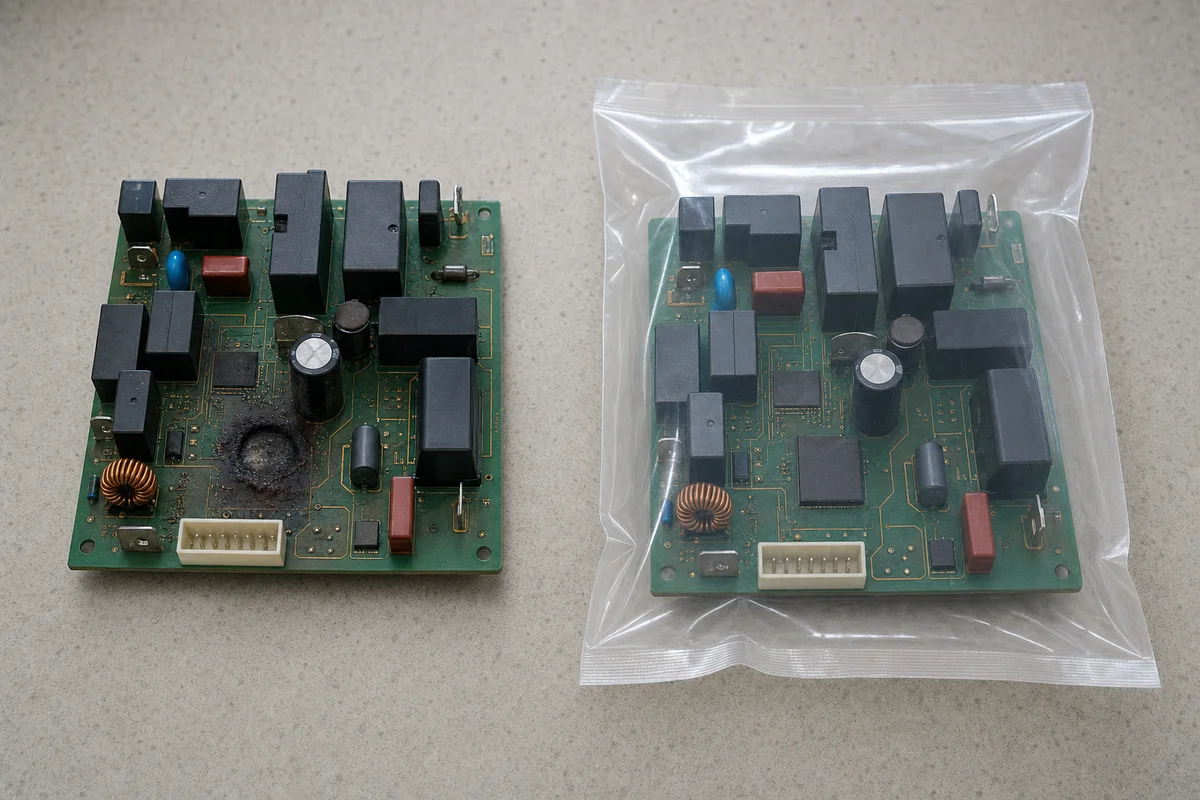
Typical cover includes faulty compressors, PCB boards, refrigerant leaks from manufacturing defects and other failed components. Coverage length varies by brand and component. Some brands include parts and labour for a limited time, others offer parts only. Always read the small print for extended parts like the compressor and for requirements such as registration within a specific period.
What should I expect from an installation guarantee?
Installation guarantees should confirm the installer will remedy faults caused by poor workmanship, incorrect sizing, or improper commissioning. This often includes fixing leaks, correcting electrical faults and adjusting refrigerant charge. Ask how long the guarantee lasts, how claims are managed and whether follow-up visits are included if problems arise after commissioning.
What common actions void my protection?
Warranties often become void if you or an unapproved technician modifies the system, uses incorrect refrigerant, fails to register the unit with the manufacturer, skips scheduled maintenance, or exposes the system to power surges without proper surge protection. Using non-genuine parts or incorrect electrical supply can also void cover.
How important is regular maintenance and who should carry it out?
Regular maintenance is crucial. Manufacturers typically require scheduled servicing by a qualified, registered technician to keep warranties valid. Maintenance prevents refrigerant leaks, filter blockages and compressor strain. Keep service invoices and reports; they are needed for claims and help maintain energy efficiency and system life.
What should I confirm before requesting a quote?
Confirm the unit type (split, multi-split, ducted), room size and cooling/heating needs, existing electrical supply and access for installation, recommended capacity (kW), likely locations for indoor and outdoor units, and expected timeline. Ask contractors to list parts, labour, commissioning, and any warranty terms in the written quote.
What information should appear on a written quote to protect me?
A clear quote should include brand and model, unit capacity, itemised parts and labour, scope of work, access requirements, any electrical or structural extras, commissioning fees, warranty details for parts and labour, expected lead times and payment terms. Avoid vague quotes - ask for clarifications in writing before you accept.
How does the platform help Johannesburg property owners find the right contractors?
The platform lets you request up to three quotes (or up to five where available) from independent air conditioning contractors in Johannesburg. We collect project details - unit type, room size and access - and share them with registered contractors who then provide written quotes. Independent contractors handle sizing, installs, servicing, repairs, timelines and warranties.
How does the platform work with contractors?
The platform connects you with independent contractors and does not screen or vet them, so it is worth checking their registration status, local experience, customer feedback and whether they provide written quotes and warranty information yourself. The platform does not perform installations or repairs and makes no guarantee on price, volume or outcome; contractors remain fully responsible for workmanship and warranty handling.
How should I compare multiple quotes?
Compare like-for-like: same unit model or equivalent capacity, identical scope of work, included materials, commissioning, warranty terms (parts and labour) and scheduled maintenance offers. Check lead times, removal and disposal costs, electrical upgrades and any exclusions. Ask questions about energy efficiency, expected running costs and aftercare before deciding.
Can I extend protection beyond the standard manufacturer period?
Many manufacturers and third-party providers offer extended cover or service plans for additional years, sometimes including parts and labour. Confirm eligibility, transferability and what regular servicing is required. Compare costs of extended cover versus likely repair costs for your specific unit and usage pattern.
What should I do if I suspect a defect after installation?
Contact the installer immediately and provide the commissioning certificates, purchase invoice and service history. If the issue appears to be a manufacturing defect, notify the manufacturer too and follow their claim process. Keep records of all communications and avoid making unauthorised repairs that could void cover.
Do power surges and electrical faults affect warranty cover?
Yes. Many warranties exclude damage from unstable electrical supply or power surges unless the unit has appropriate surge protection installed. Ensure your electrician confirms supply adequacy and consider fitting surge protection to reduce risk and protect warranty rights.
How does regular use and wear-and-tear affect warranty claims?
Normal wear and tear is usually excluded from manufacturer warranties. Warranties cover defects in materials and workmanship, not degradation from heavy use or poor maintenance. Regular servicing and prompt repairs reduce wear and tear and improve your chance of successful warranty claims for covered defects.
Are replacement parts always genuine and covered?
Manufacturers often require genuine parts for warranty repairs. Using non-genuine parts may void the warranty. Confirm with the contractor whether they will use OEM parts and whether those parts carry their own warranty. Ask for written confirmation in the quote.
If I sell the property, can I transfer the warranty?
Some manufacturer warranties are transferable if you register the transfer and follow any conditions, while some installer guarantees are not. Check the warranty terms and provide the new owner with all documentation, service history and any outstanding maintenance obligations required to keep cover active.
What role does correct sizing and load calculation play in warranty and performance?
Correct sizing prevents undue stress on the system, improves comfort and reduces breakdown risk. If an undersized or oversized unit causes failures, installer guarantees may cover incorrect sizing if it was their responsibility. Ensure contractors provide a load calculation and explain how the chosen capacity meets your room size and cooling requirements.
How long should I expect parts and labour cover to last for common brands?
Coverage varies by brand and model. Many mainstream brands offer 1-5 years parts cover and shorter labour cover, with compressors sometimes covered for longer under extended programmes. Always check the specific model’s warranty document and ask contractors to confirm what the warranty includes in writing.
What documents should I keep to support any future claim?
Keep purchase invoices, commissioning certificates, service and maintenance reports, all warranty documents, the installer’s guarantee, and any correspondence with supplier or manufacturer. Store digital copies and a physical folder; these make claims quicker and reduce disputes about compliance with maintenance schedules.
Can maintenance visits be part of the warranty conditions?
Yes. Manufacturers commonly require scheduled maintenance at set intervals by a qualified technician to keep the warranty valid. The installer may offer a service plan to meet these requirements. Ensure service reports are signed and dated and that invoices show the technician’s registration details.
If a contractor offers a long guarantee, how do I verify it’s reliable?
Ask for the guarantee in writing, check the contractor’s business registration and public reviews, request references, and confirm whether claims are handled directly by the installer or subcontracted. Longevity, local presence and clear claims procedures indicate a more reliable guarantee.
Ready to request quotes?
Submit a request and independent local air conditioning installers in Gauteng may respond with their availability and pricing. No obligation to accept any quote.
Request Free Quotes