14 min read
Quick answerA portable aircon is a movable, plug-in unit for cooling one room temporarily, while a fitted split runs quieter and up to 30-50% cheaper for rooms you use daily. Splits need professional installation; portables just need a window vent.
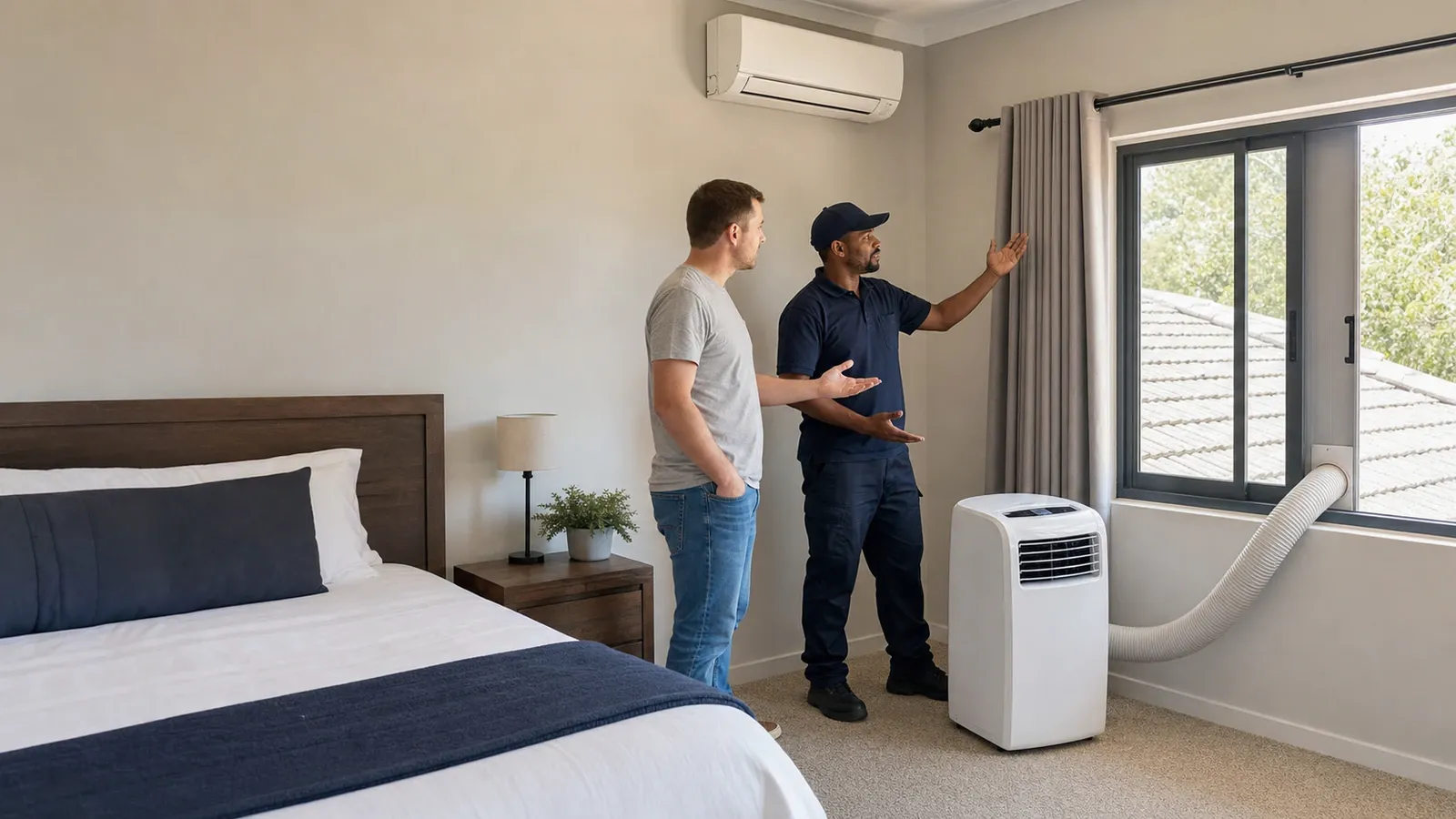
Portable and split aircons suit very different needs - a portable unit is a movable, plug-in fix for one room, while a fitted split delivers quieter, more efficient cooling for spaces you use every day. This choice sits at the heart of long-term comfort.
On airconditioning-johannesburg.co.za we help you compare options without jargon. This is one of our plain-English aircon comparison guides, laying out the pros and cons of each approach to air conditioning.
Choosing the right air solution depends on room size, BTU needs and access for installation. When you use our quote process, you connect with independent contractors who advise on split-system installation suited to your space.
Every air conditioner works differently, so think about energy use, servicing and the likely lifespan of units. Our aim is to help you make an informed, pressure-free decision that matches your comfort needs and property in Johannesburg.
Quick Facts & Key Takeaways
- Portables cost R3 000-R8 000 upfront; a fitted split runs about R8 000-R25 000+ but lasts 10-15 years versus 3-5 for a portable.
- A portable’s window exhaust creates negative pressure that draws warm air back in, so it often has to be sized up to cool the same room.
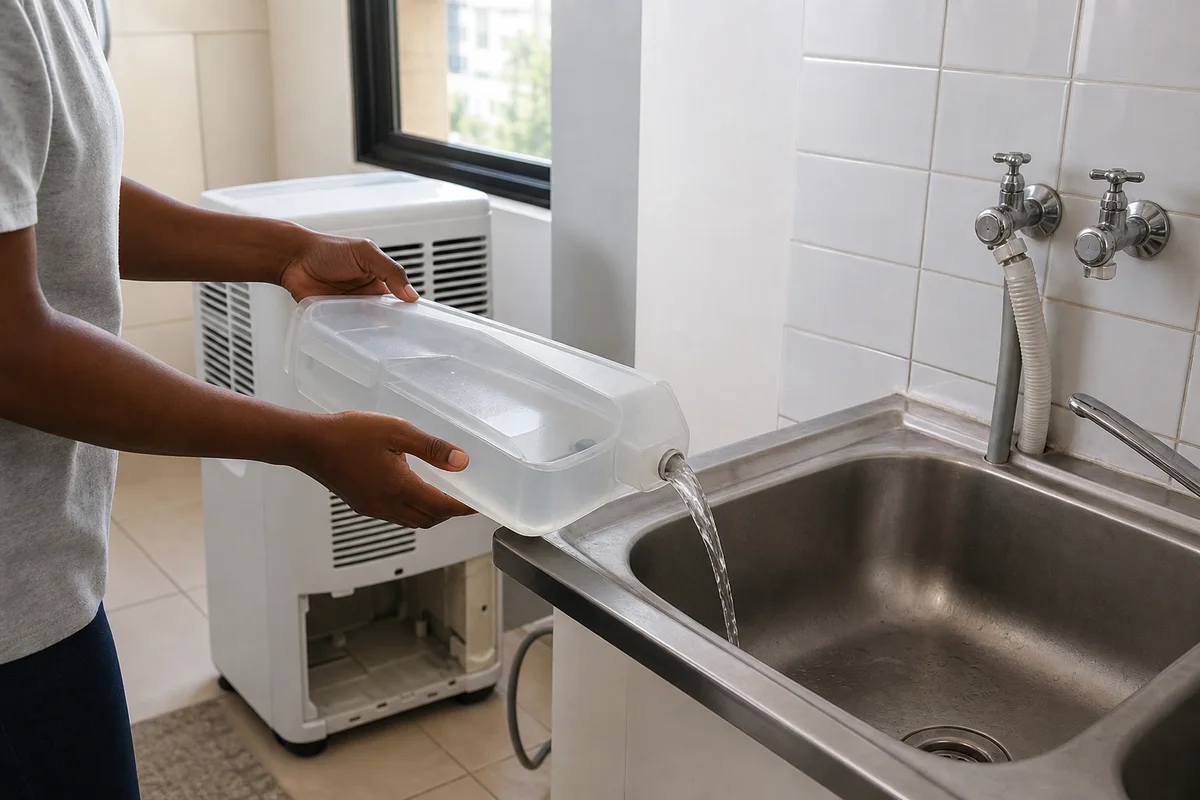
- Expect to drain a portable’s condensate manually in humid months, and far corners of larger rooms will stay warmer.
- As a permanent fixture a fitted split adds resale value and pairs with inverter technology to lower running costs on rooms used daily.
- Match BTU to room size before buying, then compare up to three written quotes on our platform.
Table of contents
Table of contents14 min read
Portable or split: the real trade-off
Many Johannesburg homeowners weigh short-term savings against long-term performance when picking a cooling solution.
That debate often centres on upfront cost versus ongoing efficiency. A portable air unit can be a fast fix for a single room, but it uses more energy for steady cooling in larger spaces.
Key factors to consider:
- How much air you need to move for the room size and layout.
- Whether you can spare floor space for a movable unit.
- Long-term running costs and maintenance for the system you choose.
This short guide helps you compare options without jargon. Look past the purchase price and check how each air conditioner performs across months of use to protect your comfort and budget.
| Feature | Movable Unit | Installed System |
|---|---|---|
| Upfront cost | Lower | Higher (installation needed) |
| Energy efficiency | Moderate to low | Higher for same room size |
| Best for | Single room, temporary use | Primary living spaces, long-term comfort |
How Cooling Systems Function in South African Homes
How a cooling unit moves warm air makes a big difference to comfort and running costs in local homes.
Portable mechanics
How a mobile unit works
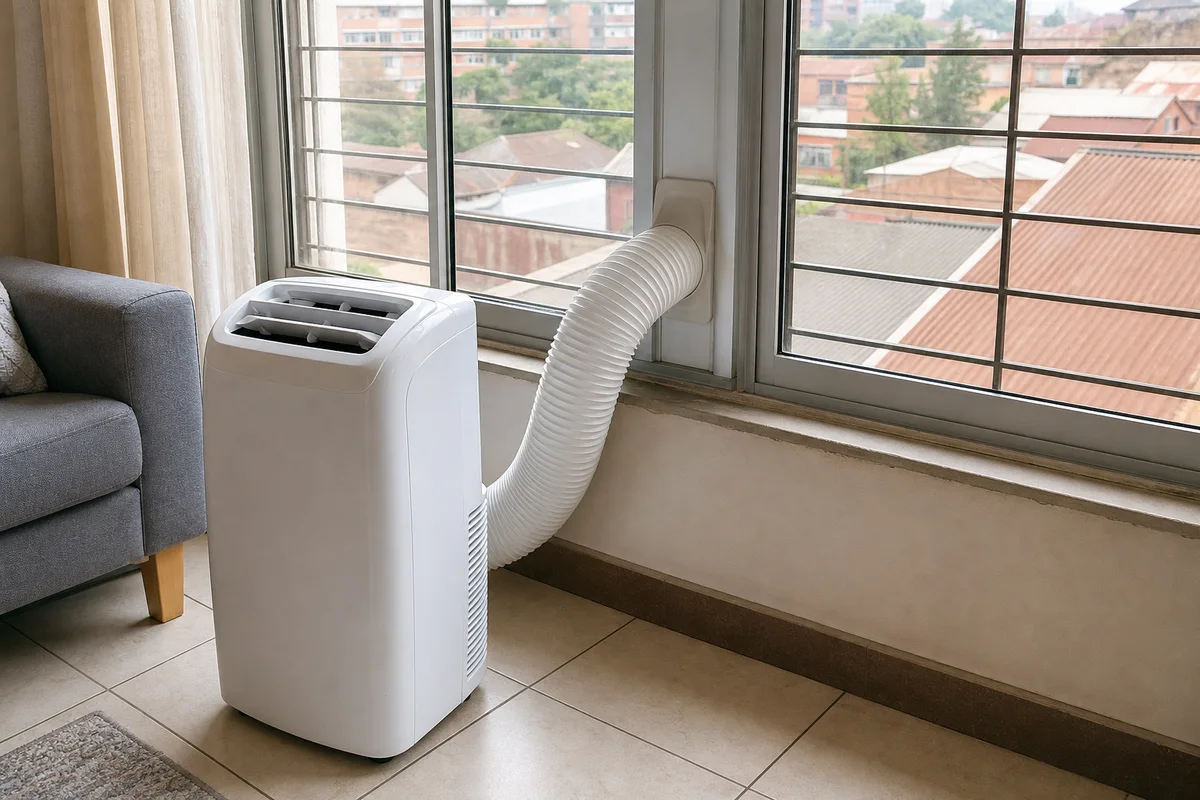
A portable air conditioner pulls warm air from the room and pushes hot air outside through a window hose. This exhaust can create negative pressure that draws warm outside air back in.
That single-box design packs the compressor, condenser and fan indoors. As a result, heating and cooling performance often lapses under steady load and noise sits inside the living space.
Split system design
Why fitted systems perform better
Split systems place the compressor outside so heat is dumped away from your rooms. The indoor unit circulates cooled air while the noisy parts stay outside, improving performance and quiet operation.
- Installation needs a small hole for refrigerant pipes and a proper mount.
- Correct BTU sizing is critical for both systems to manage temperature effectively.
“Separating indoor and outdoor components avoids the negative pressure issues common with single-box units.”
Cheap to buy, dearer to run?
A low purchase price does not always mean lower monthly costs once you add everyday electricity use. Look at both the upfront spend and the likely bill over a year before you decide.
Typical upfront cost ranges in South Africa show a small unit often costs R3 000-R8 000, while a fitted system sits around R8 000-R25 000+. That upfront cost matters, but so do running costs.
In practice, fitted systems run 30-50% cheaper than single-box options. Choosing a model with inverter technology improves energy efficiency and delivers a cheaper run for daily use. The inverter helps the compressor adjust rather than cycle on and off, cutting electricity use.
When you add maintenance, lifespan and real electricity bills, a higher initial spend can give you lower total costs and less environmental impact. If you use your cooling regularly, a better-efficiency system becomes the smarter long-term option.
| Cost type | Small unit | Fitted system |
|---|---|---|
| Upfront cost | R3 000-R8 000 | R8 000-R25 000+ |
| Running (estimate) | Higher | 30-50% lower |
Why the same BTU cools differently
A 12 000 BTU rating can perform very differently depending on whether the compressor sits inside or outside the house.
What BTU actually tells you
BTU shows how much heat an air conditioner can remove in an hour. For a typical Johannesburg room, choose a BTU that matches floor area, glazing and sun exposure.
Compare real models: a Midea 12 000 BTU portable unit and a Daikin Sensira 12 000 BTU fitted system both list the same btu. In practice the Daikin cools more steadily and uses less energy because heat is expelled outside.
Portable units must often be sized up to offset heat from their own compressor and the loss from a window exhaust. That raises running costs and can harm efficiency.
“Undersizing leads to long run times, higher energy bills and poor temperature control.”
- Noise: fitted systems run quieter as the compressor sits outdoors.
- Installation: correct fitting improves performance and reduces heat ingress.
- Energy: inverter technology on a fitted unit lowers running costs compared to a single-box design.
| Aspect | Midea 12 000 BTU (single-box) | Daikin Sensira 12 000 BTU (fitted) |
|---|---|---|
| Real cooling | Moderate; drops under steady load | Consistent; better at holding temperature |
| Energy efficiency | Lower due to exhaust and compressor heat | Higher with inverter options |
| Noise in room | Higher (compressor inside) | Lower (compressor outside) |
Advantages and Limitations of Portable Units
A movable cooling unit gives quick relief but brings trade-offs you should weigh for each room. These devices are ideal when you need immediate temperature control in a single space or a temporary solution during heat spikes.
Flexibility Benefits
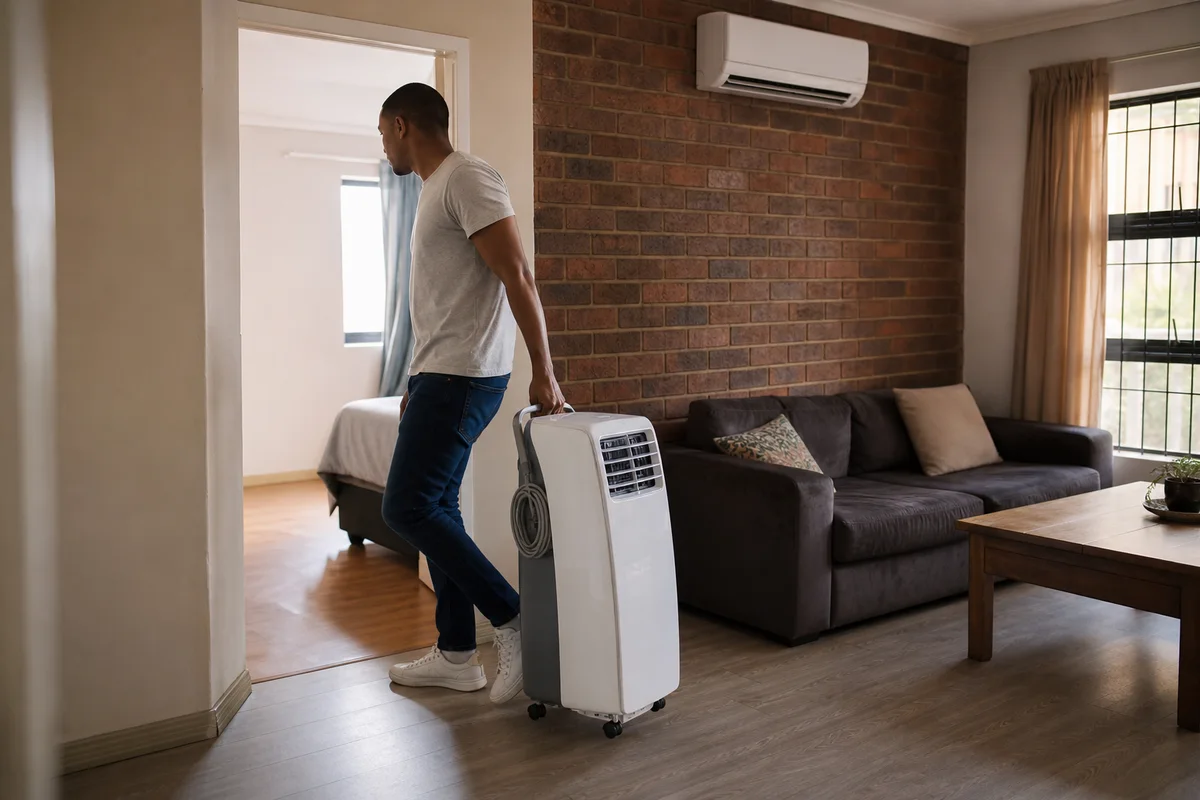
Moveable use: You can move the unit from bedroom to study or living room as required. This makes it useful for renters or rooms with changing needs.
Noise Considerations
Internal compressor: Because the compressor sits inside the room, noise can be a clear drawback. Bedrooms and quiet living areas may suffer reduced comfort during sleep or study.
Venting Requirements
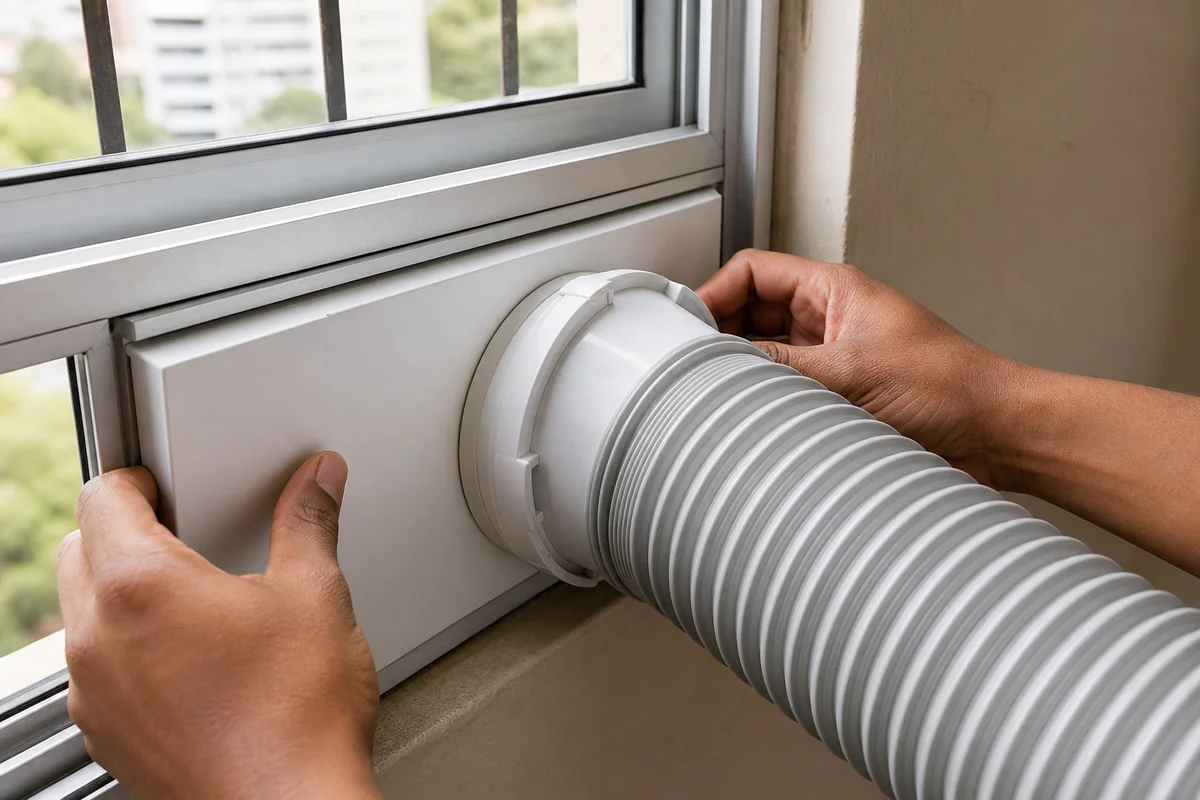
Every unit needs a window or door for the exhaust hose. If your layout lacks a suitable opening, performance and efficiency fall.
- Water drainage: Many models need manual emptying or a drain kit in humid months.
- Coverage limits: Far corners often stay warmer because the device struggles to move air across large rooms.
- Running costs: Energy and electricity use typically outpace fitted systems for the same cooling load.
“Convenient for occasional use, but not usually the best long-term solution for steady comfort.”
| Aspect | Benefit | Limitation |
|---|---|---|
| Flexibility | Easy to move | Less stable cooling |
| Installation | No professional fit required | Requires window vent |
| Maintenance | Simple servicing | Manual water drainage, higher running costs |
Why a fitted split usually wins
Choosing a fitted system gives you consistent year-round cooling and honest running costs for a Johannesburg home. A correctly sized air conditioner manages both cooling and heating needs, so rooms reach and hold a comfortable temperature with less effort.
The noisy compressor sits outside, so operation is quiet inside living and sleeping spaces. That makes the unit a better option for bedrooms and studies where peace matters.
Inverter technology and good energy efficiency reduce electricity use during steady operation. Over months of regular use this often lowers running costs compared with a single-box alternative.
- Professional installation ensures the system is matched to room size and positioned for even airflow.
- Durability - fitted systems are designed to last with routine servicing and deliver long-term value.
- Space and aesthetics - wall-mounted units save floor area and look neater than bulky units.
As a permanent installation, a fitted system can also add resale value to your property in Johannesburg. Use our platform to request quotes from independent contractors who will advise on sizing, installation and warranties.
“A fitted system balances comfort, efficiency and long-term investment for most permanent living spaces.”
The real cost over ten years
Think of cooling as an investment: short-term savings may hide higher lifetime costs. Compare lifespan, repair risk and how much electricity units will use each year.
Long Term Financial Outlook
When you add replacement cycles, a portable unit that lasts 3-5 years can need two or three replacements inside a decade.
By contrast, fitted systems typically serve 10-15 years. That longer life reduces replacement fees and the disruption of swapping units.
- Upfront cost for an installed system is higher, but you often get a cheaper run in electricity and lower maintenance.
- The compressor in an installed system sits outdoors, which helps longevity and consistent performance.
- Over a 5-year period, cumulative electricity and replacement costs usually make the installed option the better investment.
“Look beyond the purchase price and ask for a written estimate that shows expected running costs.”
| Factor | Short-term unit | Installed system |
|---|---|---|
| Typical lifespan | 3-5 years | 10-15 years |
| Upfront cost | Lower | Higher (installation included) |
| Electricity & running | Higher over time | Lower; more efficient |
| Maintenance & repairs | More frequent | Less frequent with proper installation |
Matching cooling to your Johannesburg suburb
Johannesburg summers can push indoor temperatures high, so matching cooling capacity to your room and location matters.
Where you are matters: homes in Sandton, Randburg and Roodepoort face intense daytime heat and may need higher BTU ratings. In Fourways, Midrand or the CBD, exposure and building height change how a unit performs.
Renters often use a portable air conditioner as a short-term fix when they cannot alter a property. That choice can be sensible for single rooms while you decide on a long-term system.
Installation quality strongly affects running costs and efficiency. A correctly mounted system handles heat in larger rooms and open-plan areas far better than an undersized device.
- Check room size, window position and sun exposure before you buy.
- Ask local contractors about inverter options to lower electricity use and running costs.
- Request written quotes that list parts, labour and expected performance for your rooms.
“Small choices now can save you on electricity and repairs across hot seasons.”
Which one suits your home
Good indoor comfort starts with a clear view of running costs, noise and how a unit performs in real rooms. Match your air conditioning choice to room use today and over the years.
For steady performance and lower running costs, we recommend a fitted split system with inverter technology. A correctly sized air conditioner reduces heat and heating demand, cuts noise and often gives the best investment for regular use.
Our platform at airconditioning-johannesburg.co.za helps you compare systems and request quotes. Use our quote process to connect with independent local contractors for installation advice, BTU sizing and written estimates so you can check upfront cost and long-term costs.
Start your journey to better comfort today - request quotes and find the right split systems for your rooms.
FAQ
What are the main differences between a portable unit and a fitted split system?
A portable unit is a self-contained cooling appliance you can move between rooms. It uses a single cabinet with a compressor, fan and exhaust hose that vents through a window or wall. A fitted split system has two components: an indoor air-handling unit and an outdoor compressor/condenser. Split systems require professional installation but generally cool more efficiently, run quieter and suit larger or permanently occupied rooms.
How do these systems operate in Johannesburg homes and apartments?
Both use refrigeration cycles to remove heat: a compressor, evaporator and condenser move heat from indoors to outside. In local flats, space and access for the outdoor unit determine whether a split system is practical. Portable units work where you cannot install an outdoor condenser, for example in rented rooms or small apartments, but they need a nearby window or vent for exhaust and occasional water drainage.
How do BTU ratings affect cooling performance and room size choices?
BTU measures cooling capacity. Choose a unit sized to your room: underpowered units work constantly and waste energy; oversized units cycle short and leave humidity high. As a rule, calculate room area and factor high ceilings, sun-facing windows and appliance heat. Contractors in Johannesburg will use more exact loads, but match BTU roughly to square metres for a starting point.
Which system is more energy efficient and cheaper to run?
Modern split systems with inverter technology are typically more energy efficient and cheaper to run long term than portable units. Portable units often have lower COP (coefficient of performance) and must work harder to vent heat, raising electricity use. For frequent or whole-home cooling, an inverter split is usually the better financial choice despite higher upfront costs.
What installation and access considerations should I plan for a split installation?
Splits need a suitable wall or ceiling position, a secure outdoor location for the condenser, refrigerant piping, electrical supply and a mounting bracket. Installers will check access for service, roof or balcony space, and compliance with building rules. Independent contractors provide written quotes that list parts, labour, warranty and timelines - request up to three quotes to compare.
Are portable units noisy compared with split systems?
Yes. Portable units house the compressor inside the room, so they produce more audible noise and vibration. Split systems place the compressor outdoors, making indoor operation quieter. If bedroom comfort or open-plan living is a priority, noise ratings and dB levels are important to compare.
What about venting and water drainage for portable units?
Portable units expel hot air through an exhaust hose that must be routed to a window or vent. Many models also collect condensate - some self-evaporate it, others need periodic emptying or a drain hose. Improper venting reduces efficiency and increases heat feedback into the room, so plan window kits or access to a wall opening before buying.
How do running costs compare over the long term?
Consider both electricity and maintenance. Portable units have lower upfront cost but higher unit energy use and more frequent filter or water handling. Split systems cost more to install but, with inverter compressors and proper sizing, use less energy over years. Include maintenance, service visits and likely repair costs in your long-term financial outlook.
Can a portable unit provide heating as well as cooling?
Some portable models offer heat mode using reverse-cycle refrigeration or electric heaters. They can provide occasional warmth but are generally less efficient for sustained heating than split heat-pump systems. For winter comfort and lower running costs, consider a split with a proven heating function or an efficient heat pump model.
Which option is better for landlords and rented properties?
For short-term rentals or where you cannot alter the building, a portable unit offers flexibility and no permanent changes. For long-term rentals and higher tenant comfort, a fixed split system adds property value, quiet operation and better energy performance. Always check building regulations and landlord responsibilities before installing any system.
How do I check a written quote from an installer or contractor?
Ensure the quote specifies unit make and model, BTU or kW rating, inverter details, parts, labour, permit costs, warranty terms and removal of old equipment. Check service intervals and whether the contractor carries public liability insurance. Use the platform to request up to three independent quotes to compare price and scope.
What symptoms indicate a system is underperforming or needs servicing?
Signs include reduced cooling output, higher electricity bills, odd noises, frequent cycling, water leaks, or unpleasant smells. For splits, low refrigerant or a blocked condenser reduces performance. For portable units, blocked filters or exhausted condensate collection can cause issues. Arrange servicing promptly to avoid larger repairs.
How should I choose between brands and models in Johannesburg’s climate?
Prioritise reputable manufacturers with local service networks and easy access to spare parts. Look for good energy ratings, inverter compressors for efficiency, and service availability in Johannesburg. Real brands like Daikin, Mitsubishi Heavy Industries and Samsung commonly appear on local installer quotes - compare models for noise, warranty and efficiency.
Can multiple rooms be cooled with one split system?
Yes. Multi-split or ducted systems can cool several rooms from one outdoor unit by connecting multiple indoor units. These options require more complex installation and higher initial cost but deliver consistent comfort and better efficiency than several portable units.
What immediate steps help improve cooling regardless of the system?
Improve shading on sun-facing windows, use ceiling or portable fans to aid air circulation, keep doors closed to the cooled room, and maintain clean filters. These steps reduce load on any unit, lower electricity use and extend equipment life.
Ready to request quotes?
Submit a request and independent local air conditioning installers in Gauteng may respond with their availability and pricing. No obligation to accept any quote.
Request Free Quotes